Description
Here's a detailed product description for Root Canal Treatment in Markdown format, suitable for a dental practice website or informational brochure.
Comprehensive Root Canal Treatment: Save Your Tooth, Eliminate Pain
Are you experiencing persistent toothache, sensitivity to hot and cold, or swelling around a tooth? These could be signs of an infected tooth pulp, a condition that, if left untreated, can lead to tooth loss and spread of infection. At [Your Clinic Name], we offer Comprehensive Root Canal Treatment (RCT), a highly effective procedure designed to eliminate pain, save your natural tooth, and restore your oral health.
What is Root Canal Treatment?
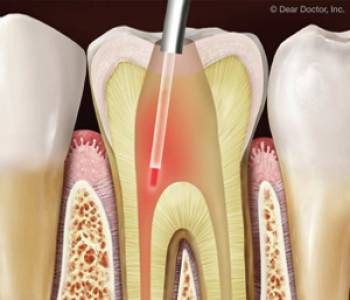
Root Canal Treatment is a sophisticated dental procedure that involves removing the infected or inflamed pulp (the soft tissue inside your tooth containing nerves and blood vessels), thoroughly cleaning and disinfecting the inside of the tooth, and then filling and sealing it. This process effectively halts the infection, alleviates pain, and allows you to keep your natural tooth.
When is Root Canal Treatment Needed? (Indications)
Root Canal Treatment becomes necessary when the pulp inside your tooth becomes inflamed or infected. This can occur due to:
- Deep Decay: Untreated cavities that penetrate deep into the tooth structure.
- Cracks or Chips: Fractures in the tooth that expose the pulp to bacteria.
- Trauma: An injury to the tooth, even if there's no visible chip or crack.
- Repeated Dental Procedures: Multiple fillings or repairs on the same tooth.
- Severe Sensitivity: Lingering pain to hot or cold temperatures.
- Spontaneous Pain: Toothache that occurs without any apparent trigger.
- Abscess Formation: A pimple-like bump on the gums, indicating pus from an infection.
- Swelling: Tenderness or swelling in the surrounding gums, face, or neck.
Benefits of Choosing Root Canal Treatment
Opting for Root Canal Treatment offers numerous advantages over tooth extraction:
- Preserves Your Natural Tooth: The primary benefit, allowing you to maintain your natural smile and bite.
- Eliminates Pain: Effectively removes the source of infection and inflammation, providing lasting relief.
- Prevents Further Infection: Stops the spread of bacteria to adjacent teeth, gums, and even other parts of the body.
- Maintains Chewing Efficiency: Your natural tooth functions better for chewing than an artificial replacement.
- Avoids Adjacent Tooth Movement: Prevents the shifting of neighboring teeth that often occurs after an extraction.
- Cost-Effective Long-Term: Often less expensive than alternatives like dental implants or bridges to replace a missing tooth.
- Enhanced Oral Health: Contributes to a healthier mouth and overall well-being.
The Root Canal Procedure: What to Expect
Our experienced dental team utilizes advanced techniques and equipment to ensure your root canal treatment is as comfortable and efficient as possible. The procedure typically involves 1-2 appointments:
- Diagnosis & Anesthesia:
- A thorough examination, including X-rays, confirms the need for RCT.
- Local anesthetic is administered to completely numb the tooth and surrounding area, ensuring you feel no pain during the procedure.
- A rubber dam is placed around the tooth to keep it dry and free from saliva during treatment.
- Access & Pulp Removal:
- A small opening is created in the crown of the tooth to access the pulp chamber.
- The infected or inflamed pulp is carefully removed from the pulp chamber and root canals using specialized instruments.
- Cleaning & Shaping:
- The root canals are meticulously cleaned, disinfected, and shaped to prepare them for filling. This step removes bacteria and debris.
- Filling & Sealing:
- Once cleaned and disinfected, the canals are filled with a biocompatible material, typically gutta-percha, and sealed with an adhesive cement to prevent re-infection.
- Temporary or Permanent Restoration:
- A temporary filling is placed to seal the opening in the tooth.
- In most cases, a dental crown will be recommended in a subsequent appointment to protect the treated tooth from future fracture and restore its full function and appearance.
Aftercare & Recovery
It's normal to experience some mild discomfort or sensitivity for a few days after the procedure, especially when biting. This can usually be managed with over-the-counter pain relievers.
- Avoid Chewing: Try to avoid chewing on the treated tooth until the final restoration (e.g., a crown) is placed.
- Oral Hygiene: Continue your regular brushing and flossing routine.
- Follow-Up: Be sure to attend your scheduled follow-up appointment for the permanent restoration.
- Contact Us: If you experience severe pain, swelling, or if your temporary filling comes out, please contact our office immediately.
Why Choose [Your Clinic Name] for Your Root Canal Treatment?
- Experienced & Gentle Dentists: Our team has extensive experience in performing successful root canal treatments with a focus on patient comfort.
- State-of-the-Art Technology: We utilize advanced diagnostic tools (digital X-rays), rotary endodontic instruments, and sometimes surgical microscopes to ensure precision and efficiency.
- Patient-Centered Care: We prioritize your comfort and understanding, explaining every step of the process and addressing all your concerns.
- Sterile Environment: Our clinic adheres to the highest standards of sterilization and cleanliness.
- Comprehensive Care: From diagnosis to post-treatment follow-up and restorative solutions, we provide a complete care package.
- Pain Management: We offer various options to ensure a virtually pain-free experience.
Don't Let Pain Dictate Your Health!
If you're experiencing symptoms that suggest the need for a root canal, don't delay treatment. Early intervention can prevent further complications and ensure the best possible outcome.
Contact [Your Clinic Name] today to schedule a consultation and take the first step towards a pain-free, healthy smile!
- Phone: [Your Phone Number]
- Email: [Your Email Address]
- Address: [Your Clinic Address]
- Book Online: [Link to Online Booking Page]