Description
Gum Surgery: Restore Your Oral Health and Confidence
Rediscover a Healthier, More Vibrant Smile
Gum surgery, also known as periodontal surgery, encompasses a range of specialized dental procedures designed to treat advanced gum disease (periodontitis), correct gum recession, regenerate lost tissue, and improve the aesthetics of your smile. If you're struggling with persistent gum issues, bleeding gums, loose teeth, or an uneven gum line, our expert periodontists offer comprehensive solutions to restore your oral health and protect your long-term well-being.
What is Gum Surgery?
Gum surgery is a specialized dental intervention performed by a periodontist to address conditions that non-surgical treatments cannot resolve. Its primary goals include:
- Eliminating deep-seated bacterial infections that cause gum disease.
- Regenerating bone and soft tissue lost due to periodontal disease or trauma.
- Correcting gum recession to protect tooth roots and improve aesthetics.
- Reshaping gum tissue for a more balanced and appealing smile.
Why Consider Gum Surgery? (Benefits & Advantages)
- Halt Disease Progression: Effectively removes plaque and tartar buildup from deep pockets, preventing further bone and tissue destruction.
- Protect Teeth and Bone: Reduces the risk of tooth loss by preserving supporting structures and regenerating lost bone.
- Improve Oral Aesthetics: Corrects "gummy smiles," uneven gum lines, and exposed tooth roots, enhancing your smile's appearance.
- Reduce Bad Breath (Halitosis): Eliminates the bacteria and decaying tissue that often cause chronic bad breath.
- Enhance Overall Health: Gum disease has been linked to systemic conditions like heart disease, diabetes, and stroke. Treating it can contribute to better overall health.
- Preserve Natural Teeth: By addressing the root cause of gum issues, surgery can help you retain your natural teeth for longer.
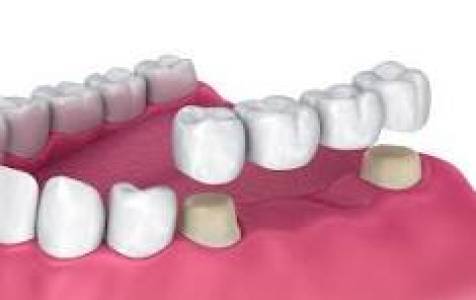
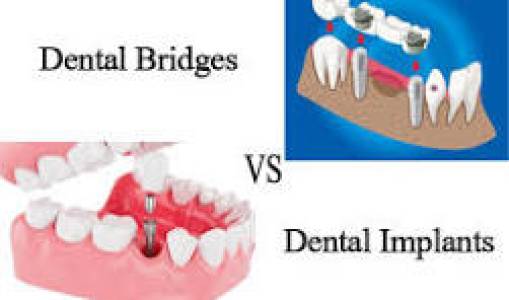
- Prepare for Restorations: May be necessary to create a stable foundation for crowns, bridges, or dental implants.
Common Types of Gum Surgery Procedures
Our clinic offers a variety of advanced surgical techniques, tailored to your specific needs:
- Pocket Reduction Surgery (Osseous Surgery):
- Purpose: To reduce the depth of periodontal pockets, making them easier to clean and preventing further bacterial accumulation.
- Procedure: The gum tissue is folded back, allowing the periodontist to remove disease-causing bacteria, plaque, and tartar. Irregular bone surfaces damaged by disease may be smoothed to eliminate areas where bacteria can hide, and the gum tissue is then repositioned and sutured.
- Regenerative Procedures:
- Purpose: To regenerate lost bone and gum tissue caused by severe periodontitis.
- Procedures:
- Bone Grafting: Uses fragments of your own bone, synthetic bone, or donor bone to rebuild bone destroyed by gum disease.
- Guided Tissue Regeneration (GTR): Involves placing a small, mesh-like membrane between the gum tissue and the bone. This membrane prevents gum tissue from growing into the bone area, allowing bone and connective tissue to regenerate more effectively.
- Soft Tissue Grafting: Uses tissue from another area of your mouth (like the palate) or a donor source to cover exposed tooth roots, reduce sensitivity, and improve aesthetics.
- Soft Tissue Grafts (Gum Grafts):
- Purpose: To treat gum recession, where the gum tissue has pulled away from the tooth, exposing the root.
- Procedures:
- Connective-Tissue Graft: The most common method, involving tissue taken from beneath the surface of your palate.
- Free Gingival Graft: Involves taking a small piece of tissue directly from the surface layer of the palate.
- Pedicle Graft: Uses gum tissue adjacent to the exposed root, which is then partially cut and moved over to cover the exposed area.
- Crown Lengthening:
- Purpose: To expose more of the natural tooth structure, either for aesthetic reasons (to correct a "gummy smile") or to prepare a tooth for a crown or other restoration when there isn't enough tooth showing.
- Procedure: Excess gum and sometimes bone tissue are removed or reshaped to reveal more of the tooth.
- Gingivectomy / Gingivoplasty:
- Purpose: To remove excess gum tissue (gingivectomy) or reshape healthy gum tissue (gingivoplasty) for aesthetic purposes or to eliminate pockets.
- Procedure: Often performed with a scalpel or laser to carefully remove and contour the gum tissue.
Who is a Candidate for Gum Surgery?
You may be a candidate for gum surgery if you experience:
- Advanced Periodontitis: Deep periodontal pockets that are difficult to clean with non-surgical methods.
- Significant Gum Recession: Exposed tooth roots causing sensitivity or aesthetic concerns.
- Bone Loss: Damage to the bone supporting your teeth due to gum disease.
- Uneven Gum Line: A "gummy smile" or an asymmetrical gum line that affects your confidence.
- Need for Restorations: Insufficient tooth structure for successful placement of crowns or other prosthetic devices.
A thorough examination by our periodontist is essential to determine the most appropriate treatment plan for your unique situation.
The Process: What to Expect
- Initial Consultation & Diagnosis: A comprehensive exam, including X-rays and periodontal probing, to assess the extent of your condition and discuss your treatment options.
- Treatment Planning: A personalized plan will be developed, outlining the specific procedure(s), expected outcomes, and recovery timeline.
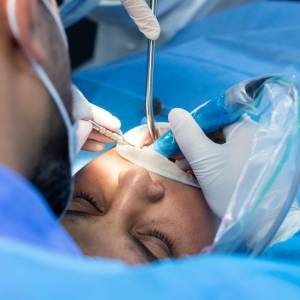
- The Procedure: Performed in our comfortable surgical suite under local anesthesia. Sedation options are available to ensure your comfort.
- Post-Operative Care: Detailed instructions will be provided for recovery, including pain management, diet, oral hygiene, and follow-up appointments.
Recovery and Aftercare
Recovery from gum surgery typically involves mild discomfort, swelling, and sensitivity for a few days to weeks, depending on the procedure. Our team will guide you through:
- Pain Management: Prescribed medication or over-the-counter pain relievers.
- Dietary Modifications: A soft diet initially to protect the healing area.
- Oral Hygiene: Modified brushing and rinsing techniques to maintain cleanliness without disturbing the surgical site.
- Follow-Up Appointments: Essential for monitoring healing and removing sutures.
Our Commitment to Your Health
At [Your Clinic Name], your oral health and comfort are our top priorities. Our highly experienced periodontists utilize state-of-the-art technology and advanced surgical techniques to provide the highest standard of care. We are dedicated to creating a supportive and compassionate environment, ensuring you feel informed and confident throughout your treatment journey.
Ready to Take the First Step?
Don't let gum disease or aesthetic concerns compromise your smile and health. Schedule your comprehensive consultation with our periodontics team today to explore how gum surgery can help you regain control of your oral health and achieve the beautiful, healthy smile you deserve.
Contact us at [Phone Number] or visit [Website] to book your appointment.
Disclaimer: The information provided here is for general educational purposes only and is not a substitute for professional medical advice, diagnosis, or treatment. Individual results may vary. Always consult with a qualified healthcare provider or periodontist for any questions regarding your medical condition or before making any decisions about your health or treatment.