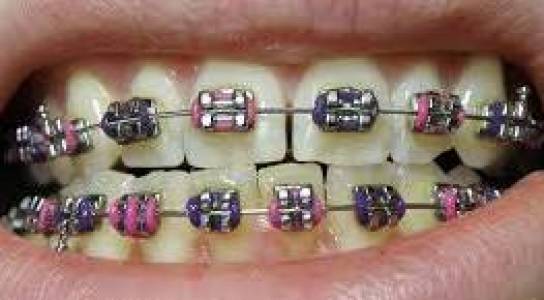

Are you dreaming of a beautifully aligned smile? Do you or your loved ones struggle with misaligned teeth, bite issues, or spacing problems? Braces are the time-tested, effective solution to transform smiles, improve oral health, and boost self-confidence for patients of all ages.
Braces are orthodontic devices designed to correct dental irregularities such as crooked teeth, overcrowding, gaps, and malocclusions (improper bites like overbites, underbites, and crossbites). They work by applying continuous, gentle pressure over a period of time to gradually shift teeth into their correct positions.
Braces are a versatile orthodontic treatment suitable for:
Investing in braces goes beyond aesthetics, offering a multitude of long-term health and psychological advantages:
* **Easier Cleaning:** Straight teeth are simpler to brush and floss, reducing plaque buildup and the risk of cavities and gum disease. * **Reduced Wear and Tear:** Correctly aligned teeth distribute chewing forces evenly, preventing excessive wear on specific teeth. * **Improved Chewing and Digestion:** A proper bite allows for more effective mastication of food. * **Alleviation of Jaw Pain:** Correcting bite issues can relieve stress on the temporomandibular joint (TMJ), reducing headaches and jaw discomfort.
* **Straight, Beautiful Smile:** The most visible and desired outcome, leading to a more attractive appearance. * **Improved Facial Symmetry:** Correcting bite issues can sometimes enhance facial balance.
* **Boosted Self-Esteem:** A confident smile can significantly impact social interactions and overall quality of life. * **Willingness to Smile:** Patients often feel more comfortable and happy to show off their new smiles.
* **Durable Results:** With proper retention, the results of orthodontic treatment can last a lifetime. * **Preventative Care:** Addressing misalignment early can prevent more complex and costly dental problems later on.
Modern orthodontics offers a variety of brace types, each with unique advantages to suit different needs and preferences:
* **Description:** Made from high-grade stainless steel, these are the most common and recognizable type. * **Features:** Smaller, more comfortable, and less noticeable than in the past. Can be customized with colored elastics. * **Pros:** Most affordable, highly durable, effective for complex cases. * **Cons:** Most visible option.
* **Description:** Clear or tooth-colored brackets that blend in with your teeth. * **Features:** Less noticeable than metal braces. * **Pros:** Aesthetic appeal, strong. * **Cons:** Can stain (especially with certain foods/drinks), slightly larger than metal brackets, generally more expensive than metal.
* **Description:** Available in both metal and ceramic, these braces use a specialized clip or door mechanism to hold the archwire, eliminating the need for elastic ligatures. * **Features:** May result in fewer adjustment appointments, potentially faster treatment. * **Pros:** No elastics means less friction, potentially improved hygiene, more comfortable. * **Cons:** Can be slightly more expensive.
* **Description:** Custom-made brackets bonded to the *inside* (tongue side) of the teeth, making them completely invisible from the outside. * **Features:** Highly customized to fit the unique contours of your teeth. * **Pros:** Ultimate aesthetic discretion. * **Cons:** Most expensive option, can initially affect speech and cause tongue irritation, not suitable for all cases.
Maintaining excellent oral hygiene is paramount during treatment:
Braces are a transformative investment in your health and confidence. Our experienced orthodontic team is dedicated to providing personalized care and helping you achieve the straight, healthy smile you deserve.
Take the first step towards a brighter future! Schedule your comprehensive orthodontic consultation today.
Disclaimer: Individual results may vary. A thorough consultation with a qualified orthodontist is necessary to determine the most appropriate treatment plan for your specific needs.