Description
Here's a detailed product description for Root Canal Treatment in Markdown format, designed to be informative, reassuring, and conversion-focused for a dental practice.
Root Canal Treatment: Restore Health, Relieve Pain, Save Your Natural Smile
Don't let persistent tooth pain or sensitivity compromise your quality of life. At [Your Clinic Name], we offer advanced Root Canal Treatment (RCT) – a highly effective and comfortable procedure designed to relieve your discomfort, eliminate infection, and preserve your natural tooth. Forget the myths; modern root canal therapy is often as comfortable as a routine filling and is the key to maintaining your oral health for years to come.
What is Root Canal Treatment?
Root Canal Treatment is a specialized dental procedure performed to save a tooth that has become severely infected, inflamed, or damaged. Inside each tooth, beneath the enamel and dentin, lies a soft tissue called the "pulp." This pulp contains nerves, blood vessels, and connective tissue. When the pulp becomes infected or inflamed due to deep decay, trauma, cracks, or repeated dental procedures, it can lead to severe pain and potentially an abscess.
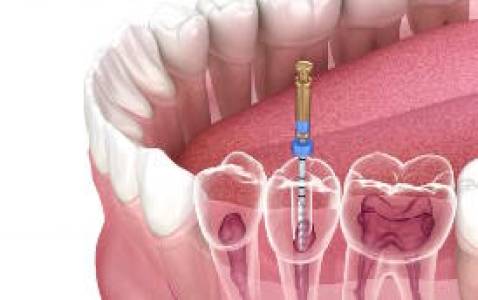
During a root canal, our skilled dentists carefully remove the infected or inflamed pulp, meticulously clean and disinfect the inside of the tooth, and then fill and seal the space. This process removes the source of pain and infection, allowing you to keep your natural tooth.
When Do You Need Root Canal Treatment? (Indications)
You might require a root canal if you experience any of the following symptoms:
- Severe Toothache: Persistent pain, especially when chewing or applying pressure.
- Prolonged Sensitivity: Sensitivity to hot or cold temperatures that lingers even after the stimulus is removed.
- Pimples on the Gums: A recurring or persistent "pimple" or boil on the gums, indicating an infection.
- Swelling: Swelling or tenderness in the surrounding gums or face.
- Discoloration: Darkening or discoloration of the tooth.
- Tenderness: Tenderness or pain when the tooth is touched.
- Deep Decay or Trauma: Evidence of deep cavities, chips, or cracks that expose the pulp.
The Benefits of Root Canal Therapy
Choosing root canal treatment offers numerous advantages that extend beyond just relieving pain:
- Eliminates Pain & Infection: Directly addresses the source of your discomfort and prevents the spread of infection.
- Saves Your Natural Tooth: Preserves your natural tooth structure, preventing the need for extraction.
- Maintains Natural Appearance: Keeps your smile intact, avoiding gaps or the need for artificial replacements.
- Restores Chewing Function: Allows you to continue eating your favorite foods without pain or difficulty.
- Prevents Further Problems: Avoids complications like bone loss, shifting teeth, and additional dental work that often follow tooth extraction.
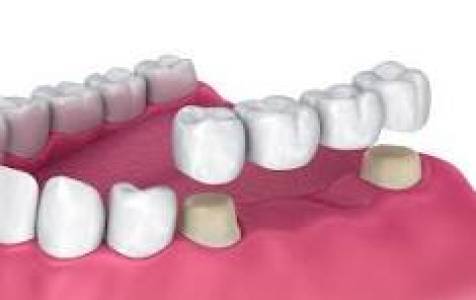
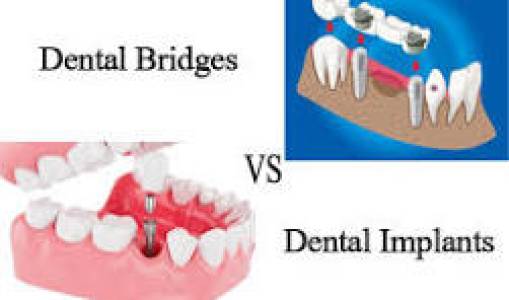
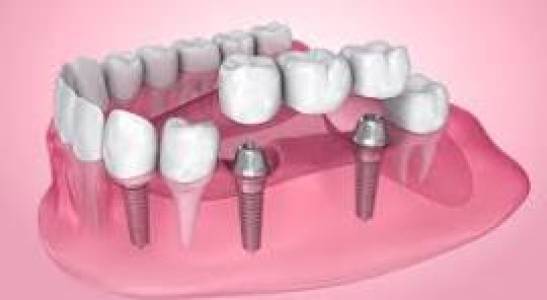
- Cost-Effective Long-Term: Often more economical than extraction followed by a bridge or implant.
Our Advanced Root Canal Treatment Process
At [Your Clinic Name], your comfort and successful outcome are our top priorities. Our root canal procedure typically involves these steps:
- Diagnosis & Planning:
- A thorough examination, including digital X-rays and possibly 3D imaging, to accurately diagnose the problem and plan your treatment.
- Discussion of the procedure and answering any questions you may have.
- Anesthesia & Isolation:
- Local anesthesia is administered to ensure a completely pain-free experience during the procedure.
- A dental dam is placed around the tooth to keep it dry and free of saliva during treatment.
- Access & Cleaning:
- A small opening is created in the crown of the tooth to access the pulp chamber.
- The infected or inflamed pulp is carefully removed from the pulp chamber and root canals using specialized instruments.
- Shaping & Disinfection:
- The root canals are meticulously cleaned, shaped, and disinfected to remove any remaining bacteria and prepare them for filling.
- Advanced irrigation solutions are used to ensure thorough sterilization.
- Filling & Sealing:
- Once disinfected, the root canals are filled with a biocompatible material, usually gutta-percha, to prevent re-infection.
- A sterile adhesive cement is used to seal the canals completely.
- Temporary Restoration:
- A temporary filling is placed in the access cavity to protect the tooth until the final restoration.
- Final Restoration (Crown):
- In most cases, a dental crown is recommended after a root canal to protect the treated tooth from future fracture and restore its full function and aesthetics. This will be scheduled as a separate appointment.
Why Choose [Your Clinic Name] for Your Root Canal?
- Experienced & Gentle Dentists: Our team comprises highly skilled dentists with extensive experience in performing successful root canal treatments, always prioritizing your comfort.
- Advanced Technology: We utilize state-of-the-art equipment, including digital X-rays, rotary endodontic instruments, and apex locators, for precise and efficient treatment.
- Patient-Centered Care: From the moment you walk in, you'll experience a welcoming environment and a team dedicated to addressing your concerns and ensuring a positive experience.
- Strict Sterilization Protocols: Your safety is paramount. We adhere to the highest standards of sterilization and infection control.
- Comprehensive Aftercare: We provide clear post-treatment instructions and follow-up care to ensure proper healing and the longevity of your treated tooth.
Post-Treatment Care & Restoration
After your root canal procedure, it's normal to experience some mild sensitivity or tenderness for a few days, which can typically be managed with over-the-counter pain relievers. We will provide detailed aftercare instructions.
Crucially, a root canal-treated tooth, especially a back tooth, often requires a permanent crown to protect it from fracture and restore its full strength and appearance. Our team will discuss the best restorative options for your specific tooth during your treatment planning.
Frequently Asked Questions (FAQs)
- Is Root Canal Treatment painful? Modern root canal treatment is performed under local anesthesia, making the procedure itself typically pain-free. The goal of a root canal is actually to relieve the pain caused by the infection, not create it.
- How long does a root canal take? The procedure can vary depending on the complexity of the tooth, but generally, it takes one to two appointments, each lasting approximately 60-90 minutes.
- How long will the treated tooth last? With proper care, including good oral hygiene and regular dental check-ups, a root canal-treated tooth can last a lifetime. A protective crown significantly increases its longevity.
- What happens if I don't get a root canal? If left untreated, the infection will worsen, leading to increased pain, spreading infection, and ultimately, the loss of the tooth.
Take the First Step Towards a Pain-Free Smile
Don't live with dental pain any longer. If you suspect you might need a root canal, contact [Your Clinic Name] today for a comprehensive consultation. Our compassionate team is here to provide gentle, effective treatment and help you achieve optimal oral health.
Call us at [Your Phone Number] or Book Online at [Your Website] to schedule your appointment.
Important Disclaimer: The information provided in this product description is for general informational purposes only and does not constitute medical advice. Every patient's dental situation is unique, and a proper diagnosis and treatment plan can only be made by a qualified dental professional. Please consult with the dentists at [Your Clinic Name] to discuss your specific needs and determine the best course of treatment for you.