Description
Dental Bonding: Transform Your Smile with a Simple, Stunning Enhancement
Dreaming of a flawless smile but hesitant about invasive procedures? Dental bonding offers a quick, affordable, and highly effective solution to correct minor cosmetic imperfections, giving you the confident, radiant smile you've always wanted.
What is Dental Bonding?
Dental bonding is a popular cosmetic dental procedure that involves applying a tooth-colored composite resin material to your teeth. This durable, malleable resin is expertly sculpted by your dentist, then hardened with a special light, and finally polished to seamlessly blend with your natural tooth structure. The result is a beautifully restored tooth that looks, feels, and functions naturally.
Key Benefits of Dental Bonding
Choosing dental bonding can unlock a multitude of advantages for your smile:
- Aesthetic Improvement: Effectively repairs chips, cracks, minor gaps, and discoloration.
- Minimally Invasive: Unlike veneers or crowns, bonding typically requires very little (if any) removal of healthy tooth enamel, preserving more of your natural tooth structure.
- Cost-Effective: Generally more affordable than alternative cosmetic procedures like porcelain veneers or crowns.
- Quick & Convenient: The procedure can often be completed in a single office visit, usually within 30-60 minutes per tooth.
- Natural Appearance: The composite resin is matched precisely to the shade of your existing teeth, ensuring a virtually undetectable enhancement.
- Versatile Solution: Can be used for a wide range of minor cosmetic and restorative issues.
Is Dental Bonding Right for You? Ideal Candidates:
Dental bonding is an excellent option for individuals looking to address:
- Small Chips or Cracks: Easily repairs minor damage from accidents or wear.
- Minor Gaps Between Teeth: Closes small spaces for a more uniform smile.
- Tooth Discoloration: Masks stubborn stains that don't respond to whitening.
- Misshapen Teeth: Reshapes short, uneven, or irregularly shaped teeth.
- Exposed Tooth Roots: Covers areas where gums have receded, protecting the root and reducing sensitivity.
- Fill Cavities: Can also be used as a tooth-colored alternative to amalgam fillings for small to moderate cavities.
Note: For more extensive damage or significant cosmetic changes, your dentist might recommend alternative treatments like veneers or crowns during your consultation.
The Dental Bonding Process: A Step-by-Step Guide
The dental bonding procedure is straightforward and efficient:
- Consultation & Planning: Your journey begins with a thorough examination and discussion with your dentist. We'll assess your oral health, discuss your aesthetic goals, and determine if bonding is the best solution for you.
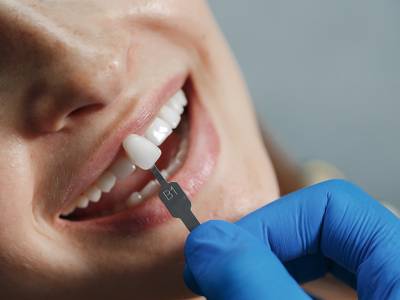
- Shade Matching: We'll carefully select a composite resin shade that perfectly matches the color of your natural teeth, ensuring a seamless blend.
- Tooth Preparation (Minimal): The surface of the tooth is gently etched with a mild phosphoric acid solution. This creates a slightly roughened surface, which helps the bonding material adhere securely. A bonding agent (liquid adhesive) is then applied.
- Resin Application & Sculpting: The tooth-colored resin is applied to the tooth in a putty-like consistency. Your dentist will meticulously sculpt and mold the material to achieve the desired shape and contour, transforming your tooth's appearance.
- Curing: A specialized curing light is used to rapidly harden the resin, bonding it firmly to your tooth.
- Finishing & Polishing: Once hardened, the bonded material is carefully trimmed, smoothed, and polished to a natural luster, ensuring it feels comfortable and looks indistinguishable from your other teeth.
Care and Maintenance for Your Bonded Teeth
With proper care, your dental bonding can last for many years:
- Practice Excellent Oral Hygiene: Brush twice daily and floss once daily to prevent staining and maintain overall oral health.
- Avoid Staining Agents: Limit consumption of coffee, tea, red wine, and tobacco, especially in the first 48 hours after bonding, as the material can be more susceptible to staining.
- Be Mindful of Hard Foods: Avoid biting on extremely hard objects like ice, hard candies, or popcorn kernels, which could chip the bonding material or your natural teeth.
- Don't Use Teeth as Tools: Never use your teeth to open packages or cut threads.
- Regular Dental Check-ups: Maintain your routine dental cleanings and examinations. Your dentist can monitor the condition of your bonding and perform any necessary touch-ups.
- Consider a Night Guard: If you grind or clench your teeth, a custom night guard can protect your bonding from excessive wear.
Longevity
Dental bonding typically lasts anywhere from 5 to 10 years or even longer, depending on factors such as your oral hygiene habits, dietary choices, and whether you grind your teeth. The material can be repaired or replaced if needed.
Ready to Enhance Your Smile?
Don't let minor imperfections keep you from the smile you deserve. Dental bonding offers a fast, effective, and beautiful way to improve your smile's aesthetics and boost your confidence.
Contact [Your Dental Practice Name] today to schedule your personalized dental bonding consultation. Let us help you achieve a brighter, more confident smile.
[Phone Number] | [Website Link] | [Address]