Description
Tooth Extraction
Expert & Compassionate Removal of Damaged or Problematic Teeth
Table of Contents
Overview
Tooth extraction, commonly known as having a tooth "pulled," is a routine dental procedure performed to remove a tooth from its socket in the bone. While our primary goal at [Your Clinic Name] is always to preserve your natural teeth, there are situations where an extraction is the best or only option to protect your overall oral health and relieve discomfort.
We understand that the idea of a tooth extraction can cause anxiety. Our dedicated team at [Your Clinic Name] prioritizes your comfort, safety, and peace of mind throughout the entire process. We utilize advanced techniques and compassionate care to ensure a smooth and gentle experience.
When is Tooth Extraction Recommended? (Indications)
Tooth extraction may be necessary for a variety of reasons, including:
- Severe Tooth Decay: When a tooth is so extensively decayed that it cannot be restored with a filling, crown, or root canal therapy.
- Advanced Periodontal Disease: Also known as gum disease, this can loosen teeth by destroying the bone and supporting tissues, making extraction necessary to prevent further damage.
- Impacted Teeth: Most commonly wisdom teeth that do not have enough room to erupt properly, causing pain, infection, or damage to adjacent teeth.
- Overcrowding: To create space for orthodontic treatment (braces) when teeth are too crowded.
- Infection Risk: When a tooth is severely infected and the infection poses a risk to overall health or cannot be resolved through other treatments.
- Trauma or Fracture: A tooth that has been severely broken or damaged beyond repair due to an accident or injury.
- Preparation for Prosthetics: To remove problematic teeth before fitting dentures or preparing for dental implants.
Our Approach to Tooth Extraction
At [Your Clinic Name], we believe in a patient-centered approach to tooth extraction:
- Thorough Examination & Diagnosis: We begin with a comprehensive oral examination, including digital X-rays and sometimes 3D imaging (CBCT), to accurately assess the tooth's condition, its roots, and the surrounding bone.
- Personalized Treatment Plan: We discuss all available options, explain why an extraction is recommended, and detail the procedure, ensuring you understand every step.
- Prioritizing Your Comfort: We offer various pain management options, including local anesthesia to numb the area completely, and sedation dentistry (such as nitrous oxide, oral sedation, or IV sedation) for patients who experience anxiety or require a more complex extraction.
- Gentle & Efficient Technique: Our experienced dentists and oral surgeons use precise, minimally invasive techniques to remove the tooth, minimizing discomfort and promoting faster healing.
- Comprehensive Post-Operative Care: We provide clear, detailed instructions for at-home care, pain management, and what to expect during recovery to ensure optimal healing.
What to Expect: The Procedure
The tooth extraction process typically involves the following steps:
- Consultation & Imaging: Your initial visit will include a thorough examination and diagnostic imaging to plan the extraction.
- Anesthesia: Before the procedure begins, the area around the tooth will be numbed using a local anesthetic. If chosen, sedation dentistry will be administered at this stage.
- Tooth Loosening: Our dentist will gently loosen the tooth from its socket using specialized instruments.
- Extraction: The tooth is then carefully and steadily removed. For more complex cases, such as impacted wisdom teeth, a small incision in the gum tissue or removal of a tiny amount of bone may be necessary.
- Socket Care: After the tooth is removed, the dentist will clean the socket and may place gauze to help a blood clot form, which is crucial for healing. In some cases, dissolvable sutures may be used.
- Post-Procedure Instructions: You will receive detailed instructions on how to care for the extraction site to prevent complications and promote healing.
Why Choose [Your Clinic Name] for Your Extraction?
- Experienced & Skilled Team: Our dentists and oral surgeons possess extensive experience in performing a wide range of extractions, from simple removals to complex impacted wisdom teeth.
- Advanced Technology: We utilize state-of-the-art diagnostic tools and surgical equipment for precise, efficient, and safer procedures.
- Commitment to Comfort: We offer comprehensive pain management and sedation options to ensure a stress-free and comfortable experience.
- Sterile & Safe Environment: We adhere to the highest standards of sterilization and infection control for your safety.
- Holistic Care: We don't just extract teeth; we provide a full spectrum of oral health services and discuss future tooth replacement options (implants, bridges, dentures) as part of your overall treatment plan.
- Compassionate & Supportive Staff: Our entire team is dedicated to making your visit as positive and reassuring as possible.
Pre-Procedure Preparation
To ensure a smooth extraction experience, you may be asked to:
- Inform us of your complete medical history, including any current medications, allergies, and existing health conditions.
- Disclose if you are taking blood thinners, as these may need to be adjusted under medical supervision before the procedure.
- Arrange for a ride home if you opt for sedation dentistry.
- Follow any specific eating or drinking instructions provided by our team.
Post-Procedure Care & Recovery
Proper post-operative care is crucial for preventing complications and ensuring a speedy recovery. You will receive detailed instructions, which typically include:
- Managing Bleeding: Biting gently on gauze pads to help a blood clot form.
- Pain Relief: Taking prescribed or over-the-counter pain medications as directed.
- Reducing Swelling: Applying ice packs to the outside of your cheek.
- Dietary Adjustments: Sticking to soft foods and liquids initially.
- Oral Hygiene: Avoiding rinsing vigorously, spitting, or using straws for the first 24-48 hours.
- Rest: Limiting strenuous activity for a few days to aid healing.
- Avoiding Tobacco and Alcohol: These can significantly hinder the healing process.
Most patients experience some discomfort and swelling for a few days, which gradually subsides. Complete healing of the socket can take several weeks.
Important Considerations & Next Steps
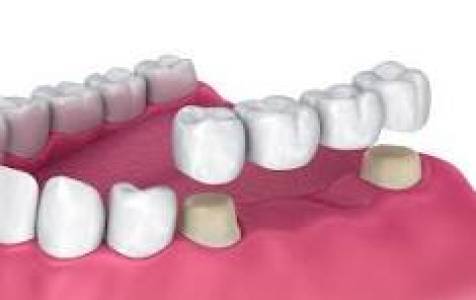
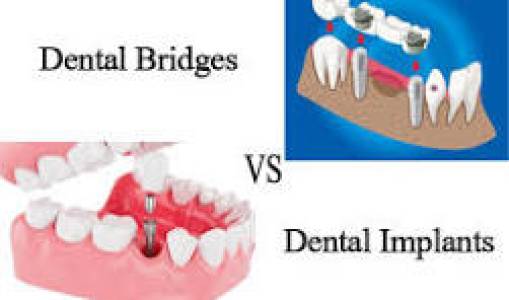
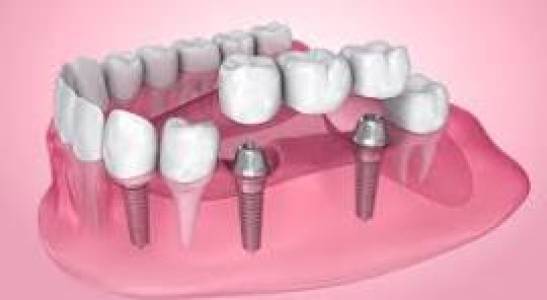
After an extraction, especially for a visible or functional tooth, it's important to consider tooth replacement options to maintain your bite, prevent shifting of surrounding teeth, and preserve your jawbone health. We will discuss solutions such as dental implants, bridges, or dentures during your consultation.
Schedule Your Consultation
If you are experiencing tooth pain, suspect you may need an extraction, or wish to discuss your oral health concerns, contact us today to schedule a comprehensive consultation at [Your Clinic Name]. Our team is ready to provide you with the expert care and peace of mind you deserve.
Call [Your Phone Number] or visit [Your Website] to book your appointment.
[Your Clinic Name] [Your Clinic Address] [Your City, State, Zip Code] [Your Phone Number] [Your Website]