Description
Molar & Wisdom Tooth Surgery: Expert Care for Optimal Oral Health
Reclaim Your Comfort and Oral Wellness
Molar and wisdom tooth surgery is a common and often necessary oral surgical procedure designed to alleviate pain, prevent future complications, and preserve the long-term health of your smile. Whether you're experiencing discomfort from an impacted wisdom tooth or require the removal of a problematic molar, our experienced oral surgeons provide compassionate, state-of-the-art care tailored to your unique needs.
What is Molar & Wisdom Tooth Surgery?
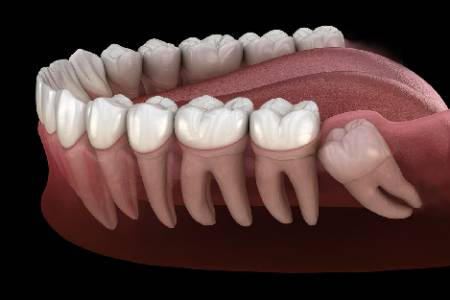
This procedure involves the surgical extraction of one or more wisdom teeth (third molars) or other molars that are causing issues. Wisdom teeth are the last set of molars to erupt, typically between the ages of 17 and 25. Often, they don't have enough room to emerge properly, leading to impaction and a host of dental problems. Other molars may also require extraction due to severe decay, fracture, infection, or to prepare for orthodontic treatment.
When is Surgery Needed? Indications for Extraction:
The decision for extraction is made after a thorough examination, including digital X-rays and sometimes 3D imaging (CBCT scan), to assess the tooth's position and condition.
Wisdom Tooth Extraction is Commonly Recommended for:
- Impaction: The tooth is trapped beneath the gum line or bone, unable to fully erupt. This can be:
- Soft Tissue Impaction: Covered by gum tissue.
- Bony Impaction: Partially or fully encased in jawbone.
- Angular, Horizontal, Vertical, Distal, Mesial: Describing the angle of impaction relative to adjacent teeth.
- Pain & Discomfort: Persistent or intermittent pain in the back of the jaw.
- Infection (Pericoronitis): Inflammation or infection of the gum tissue surrounding a partially erupted wisdom tooth, leading to swelling, tenderness, and difficulty opening the mouth.
- Damage to Adjacent Teeth: Impacted wisdom teeth can push against and damage the roots or crown of the neighboring second molar, leading to decay, bone loss, or root resorption.
- Cysts or Tumors: Rarely, impacted wisdom teeth can lead to the formation of cysts or benign tumors that can damage the jawbone and surrounding structures.
- Crowding: Pressure from erupting wisdom teeth can contribute to orthodontic relapse or crowding of other teeth.
- Difficulty Cleaning: Partially erupted wisdom teeth are hard to clean, making them prone to decay and gum disease.
Other Molar Extraction May Be Necessary Due to:
- Severe Decay: When a molar is extensively decayed and cannot be restored with a filling, crown, or root canal.
- Fractured Tooth: A tooth that is cracked or broken below the gum line.
- Periodontal Disease: Severe gum disease leading to significant bone loss around the molar, causing looseness and infection.
- Orthodontic Treatment: To create space for other teeth to align properly.
Our Comprehensive Surgical Process:
1. Initial Consultation & Diagnosis:
Your journey begins with a detailed consultation. Our surgeon will review your medical history, perform a thorough oral examination, and take advanced diagnostic images (X-rays, 3D scans) to accurately assess the position of your molar(s), their roots, and proximity to nerves or sinuses. We will discuss your symptoms, treatment options, and answer all your questions.
2. Personalized Treatment Plan:
Based on the diagnosis, a customized treatment plan will be developed, outlining the recommended extraction method, anesthesia options, and detailed post-operative care instructions.
3. Anesthesia Options for Your Comfort:
We understand that dental surgery can cause anxiety. We offer a range of anesthesia options to ensure a comfortable and pain-free experience:
- Local Anesthesia: Numbing the surgical area while you remain awake.
- Nitrous Oxide (Laughing Gas): A mild sedative to help you relax, often used in conjunction with local anesthesia.
- IV Sedation (Conscious Sedation): Administered intravenously to put you in a deeply relaxed state, where you are semi-aware but unlikely to remember the procedure.
- General Anesthesia: For complex cases or patients with significant anxiety, administered by a qualified anesthesiologist to ensure you are completely asleep during the surgery.
4. The Extraction Procedure:
Once you are comfortable and adequately anesthetized:
- A small incision may be made in the gum tissue to expose the tooth and surrounding bone.
- If the tooth is impacted in bone, a small amount of bone may be carefully removed.
- The tooth may be sectioned into smaller pieces to facilitate easier removal and minimize trauma to the jawbone.
- The tooth (or pieces) is carefully extracted using specialized instruments.
- The surgical site is thoroughly cleaned, and any bone edges are smoothed.
- Sutures (stitches) are placed to help the gum tissue heal and protect the blood clot that forms in the socket.
- Gauze is placed over the site to control initial bleeding.
Benefits of Molar & Wisdom Tooth Surgery:
- Relief from Pain & Discomfort: Eliminates the source of ongoing pain, swelling, and pressure.
- Prevention of Infection: Removes teeth prone to pericoronitis and decay, reducing the risk of abscesses and more serious infections.
- Protection of Adjacent Teeth: Prevents damage, decay, and bone loss to neighboring healthy molars.
- Elimination of Crowding: Helps maintain orthodontic alignment and prevents shifting of other teeth.
- Reduced Risk of Cysts & Tumors: Removes potential sources of pathology in the jawbone.
- Improved Oral Hygiene: Makes it easier to clean your mouth, reducing the risk of gum disease and bad breath.
- Enhanced Overall Oral Health: Contributes to a healthier and more comfortable mouth.
Recovery & Aftercare: What to Expect
A smooth recovery is crucial for optimal healing. We will provide detailed post-operative instructions, but here's a general overview:
Immediate Post-Operative Period (First 24-48 hours):
- Bleeding: Some oozing or light bleeding is normal for the first day. Change gauze as directed.
- Swelling: Expect swelling and bruising around the surgical site and possibly extending to the cheek. Apply ice packs intermittently for the first 24-48 hours to minimize this.
- Pain: Manage pain with prescribed medications or over-the-counter pain relievers as advised.
- Numbness: Residual numbness from local anesthesia may last for several hours.
- Diet: Stick to soft foods (yogurt, soup, mashed potatoes, smoothies) and avoid anything hot, spicy, crunchy, or requiring heavy chewing.
Tips for a Smooth Recovery:
- Rest: Get plenty of rest; avoid strenuous activity for several days.
- Hydration: Drink plenty of fluids (water is best), but avoid using straws as the sucking motion can dislodge the blood clot (dry socket).
- Oral Hygiene: Gently rinse your mouth with warm salt water after 24 hours (avoid vigorous rinsing). Brush your other teeth carefully, avoiding the surgical site.
- Avoid Smoking & Alcohol: These can significantly impair healing and increase the risk of complications.
- Follow Medication Instructions: Take all prescribed medications (antibiotics, pain relievers) as directed.
- Elevation: Keep your head elevated with pillows while resting to reduce swelling.
- Follow-Up: Attend all scheduled follow-up appointments so we can monitor your healing progress and remove any non-dissolvable sutures.
When to Contact Us:
Please call our office immediately if you experience:
- Severe or uncontrollable pain
- Excessive bleeding that doesn't stop with pressure
- Persistent fever
- Pus or foul taste/smell from the surgical site
- Numbness that persists beyond 24 hours (rare, but should be reported)
Why Choose [Your Practice Name] for Your Molar & Wisdom Tooth Surgery?
At [Your Practice Name], we are committed to providing exceptional oral surgery care in a comfortable and supportive environment.
- Experienced Oral Surgeons: Our board-certified oral surgeons have extensive training and expertise in complex extractions and advanced surgical techniques.
- State-of-the-Art Technology: We utilize the latest diagnostic imaging and surgical tools for precise planning and predictable outcomes.
- Patient-Centered Care: Your comfort, safety, and well-being are our top priorities. We take the time to listen to your concerns and customize your treatment plan.
- Comprehensive Anesthesia Options: We offer a full spectrum of sedation options to ensure a relaxed and pain-free experience.
- Compassionate Support: Our dedicated team provides clear instructions, answers all your questions, and offers continuous support before, during, and after your procedure.
- Sterile & Safe Environment: We adhere to the highest standards of sterilization and patient safety protocols.
Schedule Your Consultation Today!
Don't let problematic molars or wisdom teeth compromise your oral health and comfort. Contact [Your Practice Name] today to schedule your consultation. Our team is ready to provide you with the expert care you deserve.
[Phone Number] | [Email Address] | [Website] [Address]
Disclaimer: This product description provides general information about molar and wisdom tooth surgery. It is not a substitute for professional medical advice, diagnosis, or treatment. Every patient's condition is unique, and treatment plans are personalized. Always consult with a qualified oral surgeon or healthcare provider to discuss your specific needs and treatment options.