Description
Here's a detailed product description for Root Canal Treatment, formatted in Markdown:
Root Canal Treatment: Save Your Tooth, End Your Pain
Preserve Your Natural Smile with Advanced Endodontic Care
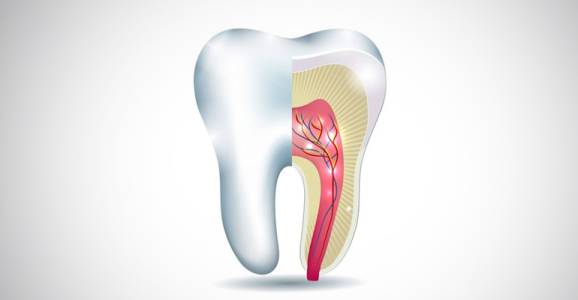
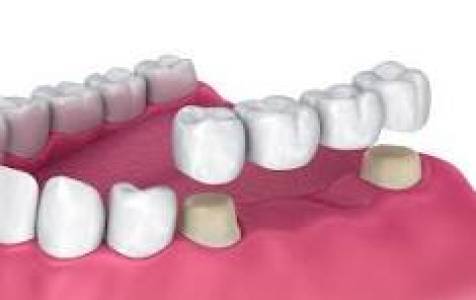
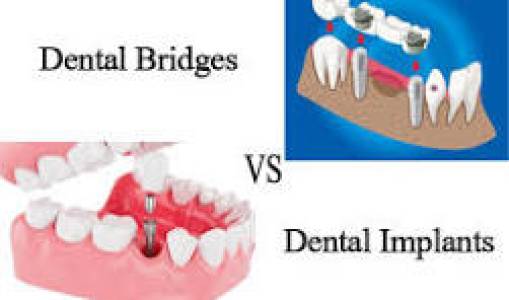
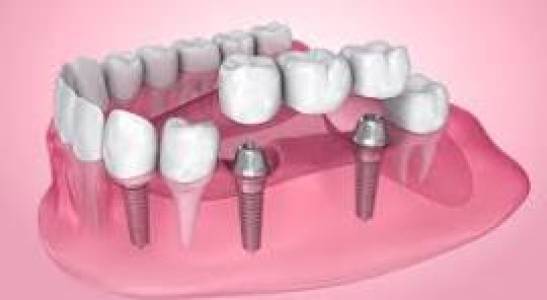
Root Canal Treatment (RCT) is a highly effective and common dental procedure designed to save a tooth that has become infected or severely inflamed. Rather than extracting a diseased tooth, our expert team utilizes advanced techniques to remove the compromised pulp, clean and disinfect the internal canals, and then fill and seal them. This process not only eliminates pain and infection but also preserves your natural tooth, preventing the need for costly and invasive replacements like bridges or implants.
Why You Might Need Root Canal Treatment:
The need for a root canal often arises when the soft tissue inside your tooth (the pulp, containing nerves and blood vessels) becomes infected or inflamed due to:
- Deep Decay: Extensive cavities that reach the pulp.
- Repeated Dental Procedures: Trauma from multiple fillings or restorative work on the same tooth.
- Cracks or Chips: Fractures in the tooth that expose the pulp to bacteria.
- Trauma: A direct blow to the tooth, even without visible damage.
- Advanced Gum Disease: In rare cases, infection can spread from the gums to the tooth's root.
Common Symptoms Indicating a Need for RCT:
- Severe toothache pain upon chewing or application of pressure.
- Prolonged sensitivity to hot or cold temperatures (after the hot or cold source has been removed).
- Discoloration (darkening) of the tooth.
- Swelling and tenderness in the surrounding gums.
- A persistent or recurring "pimple" on the gums (abscess).
Benefits of Choosing Root Canal Treatment:
Opting for a root canal over extraction offers numerous advantages:
- Eliminates Pain & Infection: Directly addresses the source of discomfort and removes harmful bacteria.
- Saves Your Natural Tooth: Preserves your original tooth, maintaining your natural bite and smile.
- Prevents Spread of Infection: Stops the infection from spreading to other teeth, gums, or even your jawbone.
- Restores Normal Function: Allows you to chew and speak comfortably, just as you did before.
- Maintains Facial Structure: Prevents the shifting of surrounding teeth and bone loss that can occur after an extraction.
- Cost-Effective in the Long Run: Often more economical than replacing an extracted tooth with an implant or bridge.
- High Success Rate: Modern root canal procedures boast a very high success rate, lasting many years with proper care.
Our Gentle Root Canal Treatment Process:
At [Your Clinic Name], we prioritize your comfort and ensure a seamless, effective root canal experience. The procedure typically involves 1-2 appointments:
- Thorough Diagnosis: We begin with a comprehensive examination, including digital X-rays and possibly 3D imaging, to accurately assess the extent of the infection and the anatomy of your tooth.
- Local Anesthesia: We administer a local anesthetic to numb the affected tooth and surrounding area, ensuring a completely pain-free procedure. Many patients are surprised at how comfortable it is.
- Isolation: A rubber dam is placed around the tooth to isolate it, keeping it clean, dry, and free from saliva contamination during the treatment.
- Access Opening: A small opening is made in the crown of the tooth to access the pulp chamber and root canals.
- Cleaning & Shaping: Using specialized instruments (files) and irrigating solutions, the infected or inflamed pulp is carefully removed. The canals are then thoroughly cleaned, disinfected, and precisely shaped.
- Filling & Sealing: The cleaned canals are filled with a biocompatible material, typically gutta-percha, and sealed with an adhesive cement to prevent reinfection.
- Temporary Restoration: A temporary filling is placed in the access opening to protect the tooth until the final restoration.
- Final Restoration (Crown): In most cases, a dental crown is recommended after a root canal. This provides essential strength and protection to the treated tooth, preventing fractures and ensuring its longevity. We will discuss your crown options during your visit.
Pain Management & Comfort: Your Experience Matters
We understand that the phrase "root canal" can evoke anxiety. However, thanks to modern anesthetics and advanced techniques, the procedure itself is often no more uncomfortable than getting a routine filling. Our team is dedicated to providing a gentle and comfortable experience, ensuring you feel relaxed throughout your visit. We encourage you to communicate any concerns so we can adjust our approach to your needs.
Recovery & Aftercare:
After your root canal treatment, you may experience some mild soreness or sensitivity for a few days, which can be managed with over-the-counter pain relievers. We will provide detailed aftercare instructions, including:
- Avoiding chewing on the treated tooth until your final restoration is placed.
- Maintaining excellent oral hygiene practices.
- Attending your follow-up appointments, especially for the placement of your permanent crown.
With proper care and good oral hygiene, your successfully treated tooth can last a lifetime!
Why Choose [Your Clinic Name] for Your Root Canal?
- Experienced & Compassionate Team: Our dentists are highly skilled in advanced endodontic procedures, committed to your comfort and well-being.
- State-of-the-Art Technology: We utilize modern equipment, including digital X-rays and rotary instrumentation, for precise, efficient, and comfortable treatment.
- Patient-Centered Approach: We take the time to explain every step, answer your questions, and tailor treatment plans to your individual needs.
- Comfort-Focused Environment: From the moment you step in, our goal is to make your dental experience as stress-free as possible.
- Comprehensive Care: From diagnosis to final restoration, we provide complete care under one roof.
Frequently Asked Questions (FAQ):
Is a root canal painful?
Modern root canal treatment is performed under local anesthesia, making the procedure itself virtually pain-free. Most patients report feeling little to no discomfort during the treatment. The pain associated with an infected tooth is typically relieved immediately after the procedure.
How long does a root canal take?
A root canal typically takes 1 to 2 appointments, each lasting between 60 to 90 minutes, depending on the complexity of the tooth and the extent of the infection.
What happens if I don't get a root canal?
Delaying or avoiding a necessary root canal can lead to serious consequences, including:
- Worsening pain and infection.
- Spread of infection to other parts of your mouth or body.
- Bone loss around the tip of the root.
- Eventual loss of the tooth, requiring extraction.
How long does a treated tooth last?
With proper oral hygiene and regular dental check-ups, a tooth treated with a root canal can last a lifetime. The final crown is crucial for its long-term success.
Do I need a crown after a root canal?
In most cases, yes. A root canal removes the inner pulp, which can make the tooth more brittle and susceptible to fracture. A dental crown provides essential protection, strength, and seals the tooth from future contamination, significantly increasing its longevity.
Don't Delay - Restore Your Oral Health Today!
If you're experiencing symptoms of a tooth infection or severe toothache, don't suffer in silence. Contact [Your Clinic Name] today to schedule a consultation. We are here to provide the relief and comprehensive care you need to save your tooth and restore your healthy, pain-free smile.
Contact Us:
[Your Clinic Name] [Your Clinic Address] Phone: [Your Phone Number] Email: [Your Email Address] Website: [Your Website Link]