Description
Root Canal Therapy: Save Your Smile, End the Pain
Experiencing Severe Tooth Pain or Sensitivity?
Don't let dental discomfort dictate your life. Root Canal Therapy (RCT), also known as Endodontic Treatment, is a highly effective and common dental procedure designed to save a severely damaged or infected tooth, eliminate pain, and restore your oral health.
What is Root Canal Therapy?
At its core, a root canal removes infected or inflamed pulp (the soft tissue inside your tooth containing nerves and blood vessels). When this pulp becomes infected due to deep decay, repeated dental procedures, a crack, or trauma, it can cause excruciating pain and lead to an abscess if left untreated.
Once the damaged pulp is removed, the inside of the tooth is carefully cleaned, disinfected, shaped, and then filled and sealed. This treatment effectively stops the infection, prevents further damage, and allows you to keep your natural tooth.
Key Benefits & Features
Choosing Root Canal Therapy offers a multitude of advantages:
- Pain Relief: The primary and most immediate benefit is the lasting relief from the severe pain caused by infection or inflammation.
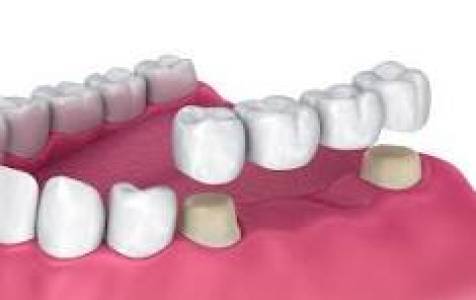
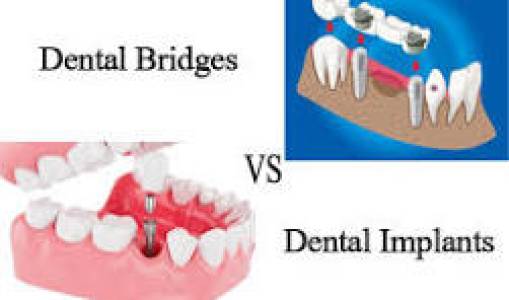
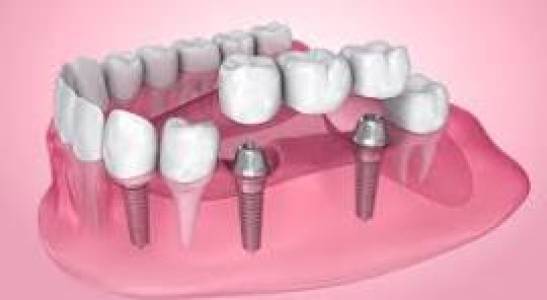
- Tooth Preservation: Saves your natural tooth, preventing the need for extraction and avoiding the complexities and costs associated with bridges, implants, or dentures.
- Maintained Aesthetics: Keeps your natural smile intact, preserving your facial structure and appearance.
- Normal Function: Allows you to continue chewing, speaking, and biting normally without discomfort.
- Prevents Spread of Infection: Eliminates the infection at its source, preventing it from spreading to other teeth or surrounding tissues in your jaw.
- High Success Rate: Modern root canal procedures boast a very high success rate, often lasting a lifetime with proper care and restoration.
- Cost-Effective Long-Term: While an initial investment, preserving your natural tooth is often more economical than replacing an extracted tooth over time.
When is Root Canal Therapy Needed?
You may require a root canal if you experience:
- Persistent Tooth Pain: Especially when chewing or applying pressure.
- Extreme Sensitivity: To hot or cold temperatures that lingers long after the source is removed.
- Swelling or Tenderness: In the gums surrounding the affected tooth.
- A Small, Pimple-like Bump (Abscess): On the gums near the painful tooth.
- Darkening or Discoloration of the Tooth: Indicating internal damage.
- A Chipped or Cracked Tooth: That has exposed the pulp.
- Deep Decay: That has reached the pulp chamber.
The Root Canal Process: What to Expect
While the thought of a root canal can be daunting, modern advancements have made the procedure comfortable and often comparable to a routine filling, typically completed in one or two appointments. Here's a simplified overview:
- Diagnosis & Anesthesia: We begin with a thorough examination, including X-rays, to accurately diagnose the problem. Local anesthesia is then administered to ensure you are completely comfortable and pain-free throughout the procedure.
- Access Opening: A small opening is made in the crown of the tooth to access the pulp chamber and root canals.
- Pulp Removal & Cleaning: The infected or damaged pulp is carefully removed. The canals are then meticulously cleaned, disinfected, and shaped using specialized instruments.
- Filling & Sealing: The cleaned canals are filled with a biocompatible, rubber-like material called gutta-percha and sealed to prevent re-infection.
- Restoration: A temporary filling is placed to protect the tooth. In most cases, a permanent dental crown is highly recommended after a root canal to protect the treated tooth from fracture, restore its full function, and maintain its appearance.
Why Choose Modern Root Canal Therapy?
Forget the outdated myths about root canals being painful or difficult. Today's root canal treatments are:
- Virtually Painless: Performed under local anesthesia, the procedure itself is comfortable. Any post-procedure discomfort is typically mild and easily managed with over-the-counter pain relievers.
- Efficient: Often completed in one or two visits, minimizing disruption to your schedule.
- Highly Successful: With proper care and a final restoration (usually a crown), a treated tooth can last a lifetime.
Ready to Find Relief?
If you're experiencing symptoms that suggest the need for a root canal, don't delay. Early intervention can save your tooth, prevent further complications, and quickly alleviate your discomfort.
Contact us today to schedule a consultation. Let our experienced team assess your condition, answer all your questions, and discuss the best treatment plan to restore your comfort and oral health.
Your healthy, pain-free smile is within reach!