Description
Dental Crowns & Bridges: Restoring Your Smile's Strength and Beauty
At [Your Dental Practice Name, if applicable], we understand the profound impact a healthy, complete smile has on your confidence, oral health, and overall well-being. Dental crowns and bridges are two of the most effective and durable solutions for restoring damaged, decayed, or missing teeth, helping you regain full function and aesthetics.
What are Dental Crowns?
A dental crown, often referred to as a "cap," is a custom-made restoration that completely covers a damaged or weakened tooth above the gum line. It is meticulously crafted to mimic the natural size, shape, and color of your original tooth, seamlessly blending with your existing smile. Crowns provide exceptional strength and protection, allowing you to chew, speak, and smile with confidence.
When is a Dental Crown Needed?
- To protect a weak tooth from breaking or to hold parts of a cracked tooth together.
- To restore a tooth that is already broken or severely worn down.
- To cover and support a tooth with a large filling when there isn't much tooth structure left.
- To hold a dental bridge in place.
- To cover a dental implant.
- To make a cosmetic modification, such as covering a discolored or misshapen tooth.
- After a root canal treatment, to protect the weakened tooth.
Types of Dental Crown Materials
Crowns can be made from various materials, each offering unique benefits in terms of aesthetics, strength, and durability. Your dentist will recommend the best material based on the tooth's location, your bite, and your aesthetic goals.
- Porcelain/Ceramic:
- Pros: Highly aesthetic, excellent match for natural tooth color, metal-free, ideal for front teeth.
- Cons: Can be more brittle than metal, potential for wear on opposing teeth if not properly adjusted.
- Porcelain Fused to Metal (PFM):
- Pros: Provides strong bond to the metal structure, offering excellent durability and reasonable aesthetics.
- Cons: Metal layer may sometimes show through as a dark line at the gum line, and porcelain can chip.
- Gold Alloys:
- Pros: Very strong, highly durable, biocompatible, causes minimal wear to opposing teeth, excellent for back teeth where aesthetics are less critical.
- Cons: Metallic color is not aesthetic for front teeth.
- Zirconia:
- Pros: Extremely strong and durable, excellent biocompatibility, natural-looking white color, can be layered with porcelain for enhanced aesthetics. A popular choice for both front and back teeth.
- Cons: Can be very hard, potentially causing wear on opposing teeth if not perfectly polished.
- E-max (Lithium Disilicate):
- Pros: A high-strength ceramic material known for its superior aesthetics, translucency, and durability. Ideal for both front and back teeth where both strength and beauty are paramount.
- Cons: Can be more expensive than other options.
The Dental Crown Procedure (Typically 2 Visits)
- Preparation & Impression: The tooth receiving the crown is numbed, and then carefully reshaped to create an ideal foundation for the crown. An impression (either traditional or digital scan) is taken of your tooth and surrounding teeth.
- Temporary Crown: A temporary crown is placed to protect the prepared tooth while your custom permanent crown is being fabricated in a dental laboratory.
- Lab Fabrication: Dental technicians meticulously craft your permanent crown, ensuring a precise fit, optimal bite, and natural appearance.
- Final Placement: Once your permanent crown is ready, the temporary crown is removed. Your dentist will meticulously check the fit, bite, and color before cementing the new crown securely into place.
What are Dental Bridges?
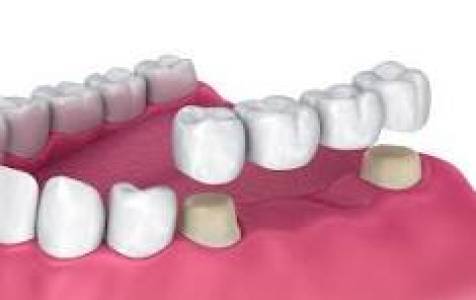
A dental bridge is a fixed prosthetic device used to replace one or more missing teeth. It "bridges" the gap created by missing teeth by anchoring to existing natural teeth (called abutment teeth) or dental implants on either side of the gap. Bridges help restore your ability to chew and speak properly, maintain the shape of your face, and prevent remaining teeth from shifting.
When is a Dental Bridge Needed?
- To replace one or more missing teeth.
- To prevent remaining teeth from drifting out of position into the empty space.
- To restore your ability to chew and speak properly.
- To maintain your facial shape and prevent bone loss in the jaw.
- To upgrade from a removable partial denture to a fixed, permanent solution.
Types of Dental Bridges
- Traditional Bridges:
- The most common type. It involves creating crowns for the teeth on either side of the missing tooth (the abutment teeth), with a false tooth (pontic) in between.
- Cantilever Bridges:
- Used when there are only adjacent teeth on one side of the missing tooth. While an option, they are generally not recommended for the back of the mouth where they could put too much force on a single abutment tooth.
- Maryland Bridges (Resin-Bonded Bridges):
- Consist of a pontic with metal or porcelain "wings" on either side. These wings are bonded to the back of your existing teeth. They are a more conservative option as they require less preparation of adjacent teeth.
- Implant-Supported Bridges:
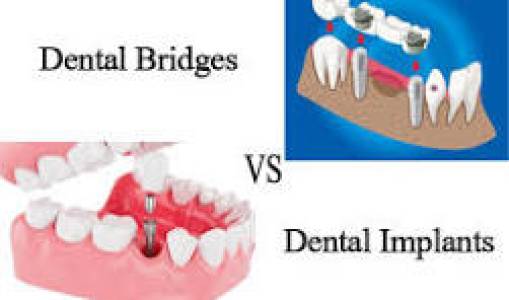
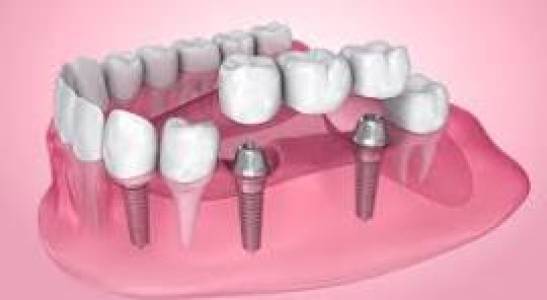
- Instead of relying on natural teeth for support, these bridges are anchored by dental implants placed directly into the jawbone. This is an excellent option as it doesn't involve altering healthy adjacent teeth and helps preserve jawbone density.
Materials for Dental Bridges
Dental bridges are typically made from the same durable and aesthetic materials as crowns, including porcelain, ceramic, porcelain fused to metal, and zirconia. The choice of material will depend on the bridge's location, strength requirements, and your aesthetic preferences.
The Dental Bridge Procedure (Typically 2 Visits)
- Preparation & Impression: The abutment teeth (the teeth on either side of the gap) are numbed and prepared, similar to how a tooth is prepared for a crown. An impression is taken.
- Temporary Bridge: A temporary bridge is placed to protect the prepared teeth and the gap while your custom permanent bridge is being made.
- Lab Fabrication: Dental technicians construct your permanent bridge, ensuring a precise fit, comfortable bite, and natural appearance.
- Final Placement: Once your permanent bridge is ready, the temporary bridge is removed. Your dentist will check the fit, bite, and color before cementing the new bridge securely into place. Multiple adjustments may be needed to ensure a perfect fit.
Benefits of Crowns & Bridges
- Restored Function: Regain the ability to chew and speak comfortably and effectively.
- Improved Aesthetics: Achieve a natural-looking, beautiful smile that blends seamlessly with your existing teeth.
- Enhanced Oral Health: Prevent adjacent teeth from shifting, protect compromised teeth, and maintain proper bite alignment.
- Durability & Longevity: With proper care, crowns and bridges are long-lasting restorations.
- Boosted Confidence: Smile, laugh, and interact without self-consciousness.
Care and Maintenance for Your Crowns & Bridges
To ensure the longevity of your dental crowns and bridges:
- Maintain Excellent Oral Hygiene: Brush twice a day and floss daily. Pay special attention to the areas around the crown margins and under the pontic of a bridge (special floss threaders or interdental brushes may be recommended).
- Regular Dental Check-ups: Visit your dentist for routine cleanings and examinations.
- Avoid Hard & Sticky Foods: While durable, crowns and bridges can be damaged by excessive force from chewing on ice, hard candies, or very sticky foods.
- Protect Against Grinding: If you clench or grind your teeth (bruxism), your dentist may recommend a nightguard to protect your restorations.
Are Crowns & Bridges Right For You?
If you have severely damaged, decayed, or missing teeth, dental crowns and bridges can offer transformative solutions. We invite you to schedule a consultation with our experienced dental team. We will conduct a thorough examination, discuss your concerns, and create a personalized treatment plan tailored to your specific needs and goals.
Contact [Your Dental Practice Name] today to learn more and begin your journey to a stronger, more radiant smile!