Description
IMPLANTS: Restoring Function, Enhancing Life
Revolutionizing modern medicine, implants are advanced medical devices meticulously designed to replace, support, or enhance biological structures within the body. From restoring essential bodily functions to improving quality of life and aesthetics, our range of implants represents the pinnacle of biocompatible engineering and surgical innovation.
Crafted from state-of-the-art materials and subjected to rigorous testing, implants offer durable, long-term solutions for a wide spectrum of medical needs. Each implant is a testament to precision, aiming for seamless integration with the body and delivering transformative results.
Key Features & Benefits
- Durability & Longevity: Engineered from highly resilient, medical-grade materials designed for extended performance within the body, offering a long-lasting solution.
- Improved Functionality: Restore lost capabilities, enhance existing ones, and alleviate discomfort, significantly improving daily living.
- Enhanced Quality of Life: Regain confidence, mobility, and independence, allowing individuals to lead fuller, more active lives.
- Biocompatibility: Constructed from materials specifically chosen to be compatible with human tissues, minimizing adverse reactions and promoting successful integration.
- Personalized Solutions: Available in various designs, sizes, and configurations to perfectly match individual anatomical needs and treatment goals.
- Precision Engineering: Manufactured with exacting standards, ensuring optimal fit, stability, and performance post-implantation.
- Minimally Invasive Options: Advancements in implant technology often allow for less invasive surgical procedures, leading to faster recovery times.
Types & Applications
Our comprehensive range of implants caters to diverse medical specialities, each designed with specific therapeutic goals in mind:
Dental Implants
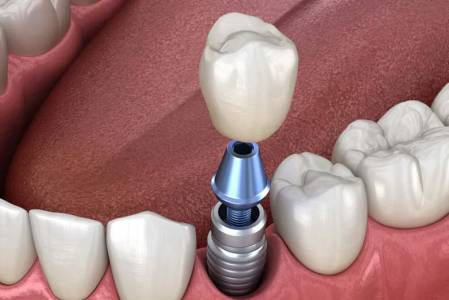
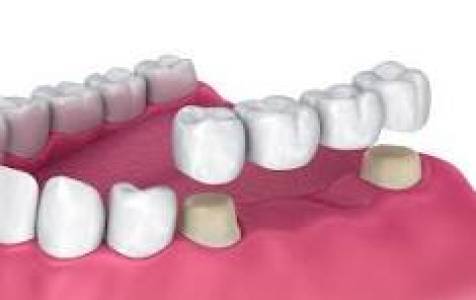
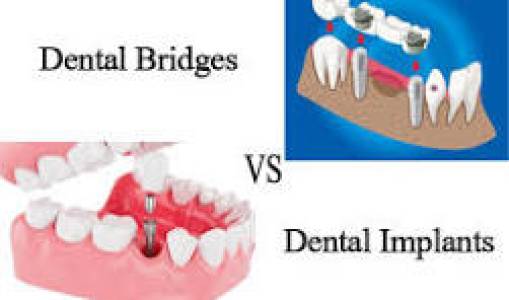
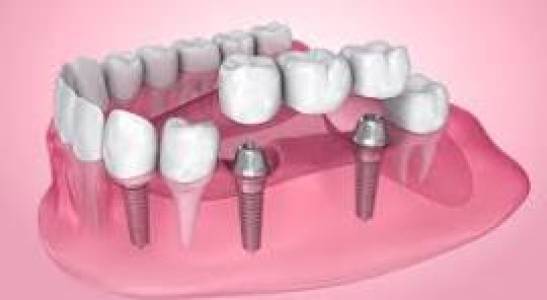
- Missing Teeth Replacement: Titanium posts surgically placed into the jawbone to serve as stable roots for prosthetic teeth (crowns, bridges, or dentures), restoring chewing function and aesthetic appearance.
- Bone Grafting Solutions: Materials used to regenerate lost bone, providing a stable foundation for future implant placement.
Orthopedic Implants
- Joint Replacement (Arthroplasty): Prosthetic joints for hips, knees, shoulders, and other articulations to replace damaged cartilage and bone, restoring mobility and reducing pain.
- Spinal Implants: Devices for spinal fusion (rods, screws, plates, cages) or disc replacement to stabilize the spine, correct deformities, or alleviate nerve compression.
- Trauma Implants: Plates, screws, rods, and pins used to stabilize bone fractures and aid in healing.
Cardiovascular Implants
- Pacemakers & Defibrillators: Devices implanted to regulate heart rhythm, prevent life-threatening arrhythmias, and improve cardiac function.
- Stents: Small, expandable mesh tubes placed in narrowed arteries (coronary or peripheral) to restore blood flow and prevent blockages.
- Heart Valves: Prosthetic valves (mechanical or biological) used to replace diseased or damaged heart valves, ensuring efficient blood flow.
Neurological Implants
- Deep Brain Stimulators (DBS): Electrodes implanted in specific brain areas connected to a pulse generator to treat movement disorders like Parkinson's disease, essential tremor, and dystonia.
- Spinal Cord Stimulators (SCS): Devices that deliver mild electrical impulses to the spinal cord to manage chronic pain.
- Vagus Nerve Stimulators (VNS): Used to treat epilepsy or depression by stimulating the vagus nerve.
Cosmetic & Reconstructive Implants
- Breast Implants: Saline or silicone-filled devices for breast augmentation, reconstruction after mastectomy, or correction of breast deformities.
- Facial Implants: Used to augment specific facial features such as the chin, cheeks, or jawline, enhancing facial contours and symmetry.
Ocular & Auditory Implants
- Intraocular Lenses (IOLs): Replace the natural lens of the eye, typically after cataract surgery, to restore clear vision.
- Cochlear Implants: Electronic devices that provide a sense of sound to individuals with severe-to-profound hearing loss.
Drug Delivery Implants
- Contraceptive Implants: Small rods placed under the skin to release hormones, providing long-term birth control.
- Pain Management Implants: Devices that deliver medication directly to specific sites (e.g., intrathecal pumps for chronic pain).
Materials & Biocompatibility
The success of any implant hinges on its material composition and the body's acceptance of it. Our implants utilize a range of highly biocompatible materials chosen for their strength, durability, and inertness:
- Titanium & Titanium Alloys: Renowned for their strength-to-weight ratio, corrosion resistance, and excellent osseointegration (bone integration), making them ideal for dental and orthopedic applications.
- Medical-Grade Polymers: Including silicone (for breast and facial implants), PEEK (Polyether ether ketone) for spinal cages, and UHMWPE (Ultra-high molecular weight polyethylene) for joint replacement components, offering flexibility, strength, and wear resistance.
- Ceramics: Such as alumina or zirconia, used for dental crowns, hip joint components, and some spinal applications due to their hardness, wear resistance, and inertness.
- Cobalt-Chrome Alloys: Known for their strength and corrosion resistance, often used in joint replacement components.
- Stainless Steel (Medical Grade): Used for some temporary fixation devices and less stressed permanent implants.
- Advanced Coatings: Bioactive coatings (e.g., hydroxyapatite) or antibiotic-eluting coatings are sometimes applied to promote bone growth or prevent infection.
The Implant Journey
The decision to receive an implant is a significant one, typically involving several stages:
- Comprehensive Consultation & Assessment: A thorough evaluation by a qualified medical professional, including imaging (X-rays, CT scans, MRI) and a review of medical history, to determine suitability and discuss treatment options.
- Surgical Placement: The implant is surgically positioned by a specialist, often under local or general anesthesia.
- Recovery & Integration: A period of healing where the body integrates with the implant. This can vary from weeks to several months depending on the implant type.
- Rehabilitation & Restoration: For some implants, this stage involves physical therapy, fitting of prosthetics (like dental crowns), or device activation/programming (like pacemakers).
- Follow-up & Maintenance: Regular check-ups are essential to monitor the implant's performance and ensure long-term success.
Who Can Benefit?
Individuals experiencing:
- Loss of function due to disease, trauma, or congenital conditions.
- Chronic pain unresponsive to conventional treatments.
- Structural deficiencies requiring support or replacement.
- Aesthetic concerns that can be addressed through augmentation or reconstruction.
- Needs for long-term drug delivery or physiological regulation.
Important Considerations
- Consultation is Key: Implants are medical devices and their use requires a thorough consultation with a qualified healthcare professional who can assess your individual needs and determine the most appropriate treatment plan.
- Potential Risks: As with any surgical procedure, there are potential risks and complications, including infection, rejection, nerve damage, or device failure. Your doctor will discuss these in detail.
- Individual Results Vary: The success and longevity of an implant can depend on various factors, including patient health, lifestyle, and adherence to post-operative instructions.
- Regulatory Standards: All implants adhere to stringent international and national regulatory standards for safety, quality, and efficacy.
Discover Your Potential
Ready to explore how implants can transform your life? Contact your healthcare provider or a specialist today to learn more about the options available and embark on your journey toward improved health, function, and well-being.