Description
Here's a detailed product description for Root Canal Treatment, formatted in Markdown:
Root Canal Treatment: Pain Relief & Tooth Preservation
Experiencing severe tooth pain, persistent sensitivity, or swelling? You might be suffering from an infection or inflammation deep within your tooth. Root Canal Treatment (RCT), also known as Endodontic Treatment, is a highly effective and common dental procedure designed to save your natural tooth, alleviate discomfort, and prevent further oral health complications.
Far from the outdated myths, modern root canal therapy is a virtually pain-free experience, comparable to a standard filling, thanks to advanced techniques and local anesthesia. It's a crucial treatment that allows you to keep your natural smile and maintain your overall oral health.
Why Choose Root Canal Treatment?
When the soft tissue inside your tooth (the pulp), which contains nerves, blood vessels, and connective tissue, becomes infected or inflamed, it can cause excruciating pain and lead to severe dental problems. Root Canal Treatment offers a range of significant benefits:
- Eliminates Pain & Discomfort: Directly addresses the source of your agony by removing infected pulp and nerve tissue, providing lasting relief.
- Saves Your Natural Tooth: Avoids the need for tooth extraction, preserving your natural bite, speech, and the aesthetics of your smile.
- Prevents Spread of Infection: Stops bacteria from spreading to surrounding teeth, gums, and even into your bloodstream, protecting your overall health.
- Restores Oral Health & Function: Allows you to chew normally, speak clearly, and enjoy your favorite foods without pain or limitations.
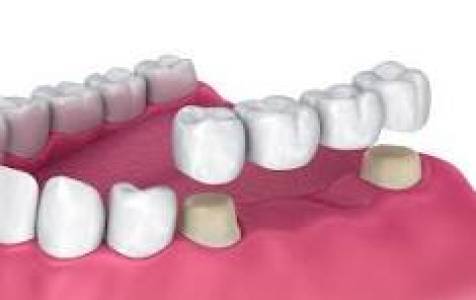
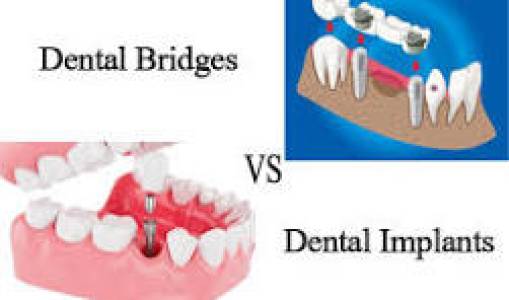
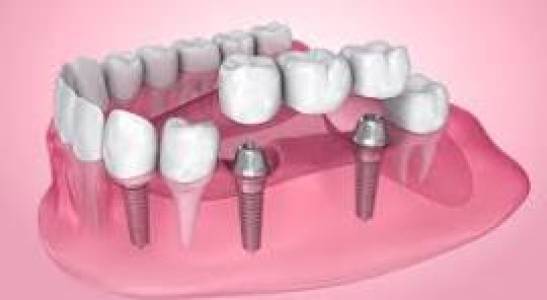
- Cost-Effective Long-Term: Often more economical than tooth extraction followed by a bridge or dental implant, as it preserves your existing tooth structure.
- Maintains Facial Structure: Prevents the shifting of adjacent teeth and preserves the natural contours of your jawline and face that can result from tooth loss.
Who Needs Root Canal Treatment?
You may be a candidate for root canal therapy if you exhibit symptoms such as:
- Persistent Tooth Pain: Especially when chewing, applying pressure, or throbbing pain that wakes you at night.
- Prolonged Sensitivity: Sensitivity to hot or cold temperatures that lingers long after the stimulus is removed.
- Swelling and Tenderness: In the surrounding gums or even the face and neck.
- Pimple-Like Bump on Gums: A small, persistent bump (fistula) near the affected tooth, which may indicate pus drainage.
- Tooth Discoloration: Darkening or graying of the affected tooth.
- Pain Upon Biting or Chewing: Discomfort when putting pressure on the tooth.
- Dental Trauma: A cracked or chipped tooth that exposes the pulp to bacteria.
The Root Canal Process: What to Expect
Our priority is your comfort and well-being throughout the entire procedure. The treatment typically involves 1-2 appointments and is performed under local anesthesia, ensuring a pain-free experience.
- Diagnosis & Anesthesia: We begin with a thorough examination, including digital X-rays and sometimes 3D imaging, to accurately diagnose the problem. Local anesthesia is then administered to completely numb the affected tooth and surrounding area.
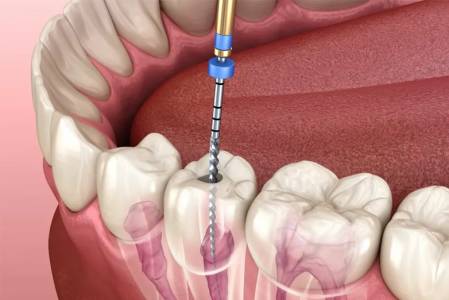
- Access Opening: A small, discreet opening is made in the crown of the tooth to access the infected pulp chamber and root canals within the tooth's roots.
- Cleaning & Shaping: Using specialized, fine instruments (sometimes aided by microscopes), the infected or inflamed pulp, bacteria, and debris are carefully removed from the pulp chamber and root canals. The canals are then meticulously cleaned, disinfected, and shaped to prepare them for filling.
- Filling & Sealing: The cleaned and shaped canals are filled with a biocompatible, rubber-like material called gutta-percha, which is sealed with an adhesive cement. This prevents re-infection and protects the tooth's interior. The access opening is then sealed with a temporary filling.
- Restoration (Crown): In most cases, a permanent dental crown is highly recommended after root canal therapy. This crown provides essential protection to the treated tooth, which can become more brittle, preventing future fractures and restoring its full strength, function, and natural appearance. This is typically completed in a separate appointment after the initial root canal.
Why Choose [Your Clinic Name] for Your Root Canal?
- Experienced Endodontists/Dentists: Our team comprises highly skilled professionals with extensive experience in performing successful root canal treatments, ensuring precision and optimal outcomes.
- State-of-the-Art Technology: We utilize advanced diagnostic tools (digital X-rays, intraoral cameras, 3D cone-beam CT) and precision instruments (dental operating microscopes, rotary endodontics) to ensure accurate diagnosis, efficient treatment, and superior results.
- Patient-Centered Comfort: Your comfort is paramount. We offer a relaxing environment, gentle injection techniques, and options like sedation dentistry to make your experience as stress-free and pain-free as possible.
- Comprehensive Care: From initial diagnosis to the final restoration, we provide complete, integrated care, ensuring the long-term success and health of your treated tooth and your entire oral system.
- Transparent Communication: We believe in educating our patients. We'll clearly explain every step of the procedure, discuss all treatment options, and answer all your questions, empowering you to make informed decisions about your health.
Post-Treatment Care & Recovery
It's normal to experience some mild sensitivity or soreness for a few days after the procedure, which can typically be managed effectively with over-the-counter pain relievers. We'll provide detailed aftercare instructions to ensure a smooth and comfortable recovery.
- Avoid Chewing: Refrain from chewing or biting on the treated tooth until your permanent crown is placed to prevent fracture.
- Oral Hygiene: Maintain excellent oral hygiene with regular brushing and flossing, treating the treated tooth gently.
- Follow-Up: Attend your scheduled follow-up appointments for the placement of your final restoration (crown) to fully protect and restore the tooth.
Don't Let Pain Control Your Life!
If you suspect you need root canal treatment or are experiencing any of the symptoms mentioned, don't delay seeking professional dental care. Early intervention can prevent further complications, alleviate your pain, and ultimately save your natural tooth.
Contact [Your Clinic Name] today to schedule your consultation and take the first step towards a pain-free, healthy smile!
[Phone Number] [Email Address] [Website Link] [Clinic Address] [Operating Hours]