Description
Dental Crowns: Restore, Protect, & Enhance Your Smile
What are Dental Crowns?
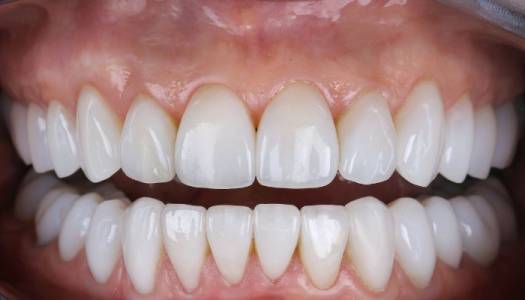
A dental crown, often referred to as a "cap," is a custom-made, tooth-shaped covering that is placed over an entire tooth, encasing it right down to the gum line. Its purpose is to restore the tooth's strength, size, shape, and improve its appearance. When cemented into place, a crown fully covers the visible portion of a tooth that lies at and above the gum line.
Why Choose a Dental Crown?
Dental crowns are a versatile and highly effective solution for a variety of dental concerns. You might need a dental crown for reasons such as:
- Restoring a severely worn or broken tooth: Crowns provide robust protection and rebuild the tooth's structure.
- Protecting a weak tooth from breaking: For teeth with large fillings or significant cracks, a crown can prevent further damage.
- Holding together parts of a cracked tooth: It acts as a protective barrier to stabilize the tooth.
- Covering and supporting a tooth with a large filling: Especially when there isn't much natural tooth structure remaining.
- Covering misshapen or severely discolored teeth: Crowns offer a uniform, natural-looking aesthetic improvement.
- Covering a dental implant: They serve as the visible, functional tooth attached to the implant.
- Making a cosmetic modification: To improve the overall appearance of your smile.
- Anchoring a dental bridge: Crowns are placed on adjacent teeth to support the bridge.
- After a root canal treatment: To protect the treated tooth, which can become brittle.
Types of Dental Crowns (Materials)
Modern dental crowns come in various materials, each with unique benefits. We will discuss the best option for your specific needs during your consultation. Common types include:
- 1. Porcelain (All-Ceramic) Crowns:
- Appearance: Offers the most natural tooth-like appearance, highly aesthetic.
- Material: Made entirely of ceramic or porcelain.
- Benefits: Excellent for front teeth, metal-free (ideal for patients with metal allergies), translucent properties mimic natural enamel.
- Considerations: Can be less strong than metal or zirconia in high-stress areas.
- 2. Zirconia Crowns:
- Appearance: Highly aesthetic, often used for both front and back teeth.
- Material: Made from zirconium dioxide, a very strong type of ceramic.
- Benefits: Exceptional strength and durability, highly biocompatible, good aesthetic match.
- Considerations: Can be more opaque than traditional porcelain, but newer translucent zirconia options address this.
- 3. Porcelain Fused to Metal (PFM) Crowns:
- Appearance: Good balance of aesthetics and strength.
- Material: A metal alloy base is fused with a layer of porcelain.
- Benefits: Strong and durable due to the metal substructure, good for both front and back teeth.
- Considerations: The metal can sometimes show through as a dark line at the gum line over time, especially if gums recede.
- 4. Gold & Metal Alloy Crowns:
- Appearance: Distinct metallic color (gold, silver).
- Material: Made from gold alloy, palladium, nickel-chromium, or other metal alloys.
- Benefits: Exceptionally strong, highly durable, rarely chip or fracture, requires minimal tooth removal. Very long-lasting.
- Considerations: Most noticeable aesthetically, typically reserved for molars or specific cases where maximum strength is paramount.
The Dental Crown Process
Getting a dental crown typically involves two appointments:
- First Appointment: Preparation & Impression
- Examination & Preparation: Your dentist will examine the tooth, take X-rays, and prepare it by shaping it to accommodate the crown.
- Impressions: Digital scans or traditional impressions of your prepared tooth and surrounding teeth are taken. These are sent to a dental lab where your custom crown will be fabricated.
- Temporary Crown: A temporary crown made of acrylic will be placed over your prepared tooth to protect it while your permanent crown is being made.
- Second Appointment: Permanent Placement
- Bonding: Once your custom crown is ready (usually 1-2 weeks later), you'll return for your second appointment.
- Fit & Shade Check: Your temporary crown will be removed, and your new permanent crown will be carefully checked for fit, bite, and shade match.
- Final Cementation: If everything is perfect, the crown will be permanently bonded to your tooth using a strong dental cement.
Caring for Your Dental Crown
With proper care, a dental crown can last between 5 to 15 years, or even longer!
- Maintain Excellent Oral Hygiene: Brush and floss daily, paying special attention to the area around the crown, just like your natural teeth.
- Regular Dental Check-ups: Continue with your routine dental exams and cleanings as recommended by your dentist.
- Avoid Hard & Sticky Foods: Try to avoid chewing on extremely hard foods (like ice, hard candy) or very sticky foods (like caramels) which can potentially damage or dislodge the crown.
- Address Teeth Grinding (Bruxism): If you clench or grind your teeth, especially at night, we may recommend a night guard to protect your crown and natural teeth from excessive wear.
Ready to Restore Your Smile?
Don't let a damaged or aesthetically compromised tooth hold you back. A dental crown can be a transformative solution, providing strength, protection, and a beautiful, natural-looking smile.
Contact us today to schedule a consultation and find out if a dental crown is the right solution for you!
[Your Clinic Name] [Your Clinic Address] [Your Clinic Phone Number] [Your Clinic Website] [Your Clinic Email Address]