Dental Filling

      Description


      Premium Dental Filling Solutions

      Dental fillings are fundamental restorative materials in modern dentistry, essential for repairing teeth damaged by decay, fractures, or wear. Our comprehensive range of dental filling solutions is meticulously engineered to restore tooth structure, prevent further deterioration, and enhance both the function and aesthetics of the patient's dentition. We offer a diverse portfolio of materials, each selected for its superior quality, clinical efficacy, and patient-specific benefits.

      Key Features & Benefits Across Our Range:

      • Restorative Integrity: Effectively restores the anatomical form, function, and integrity of the affected tooth.
      • Durable & Long-lasting: Engineered for high resistance to masticatory forces and daily wear, ensuring extended longevity.
      • Biocompatible Materials: Formulated with safe, non-toxic materials that are well-tolerated by oral tissues, minimizing adverse reactions.
      • Aesthetic Versatility: Options available for natural-looking restorations that blend seamlessly with existing dentition.
      • Disease Prevention: Certain materials offer therapeutic benefits, such as fluoride release, to help prevent secondary caries.
      • Improved Patient Comfort: Designed for smooth application and minimal post-operative sensitivity.

      Our Diverse Dental Filling Portfolio:

      We understand that different clinical situations and patient preferences demand varied solutions. Our product line encompasses the leading types of dental filling materials:

      1. Composite Resin Fillings (Tooth-Colored Fillings)

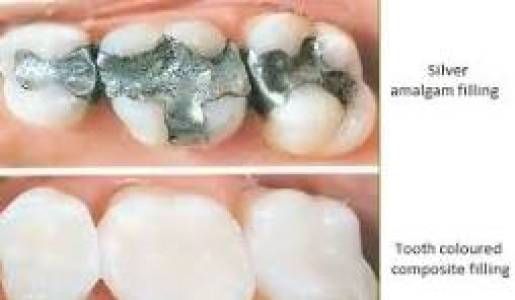
      • Description: Modern, highly aesthetic, and versatile fillings that match the natural tooth color. They are a popular choice for both anterior and posterior restorations.
      • Composition: Primarily composed of a resin matrix (e.g., Bis-GMA, UDMA, TEGDMA) filled with inorganic particles (e.g., silica, quartz, zirconium) for strength and wear resistance.
      • Advantages:
        • Superior Aesthetics: Available in a wide range of shades to perfectly match natural teeth.
        • Minimally Invasive: Requires less removal of healthy tooth structure compared to amalgam.
        • Direct Bonding: Chemically bonds to the tooth structure, providing additional support and sealing.
        • Mercury-Free: An excellent alternative for patients concerned about mercury exposure.
        • Versatile: Suitable for repairing chips, fractures, closing diastemas, and reshaping teeth.
      • Indications: Anterior and posterior restorations, small to moderate carious lesions, cosmetic enhancements, replacement of old amalgam fillings, core build-ups.

      2. Amalgam Fillings (Silver Fillings)

      • Description: A traditional, time-tested restorative material known for its strength and durability, particularly in high-stress areas.
      • Composition: An alloy of mercury (approx. 50%) and other metals such as silver, tin, and copper.
      • Advantages:
        • Exceptional Durability: Highly resistant to wear and fracture, making them ideal for posterior teeth subject to heavy chewing forces.
        • Cost-Effective: Generally less expensive than other filling options.
        • Long Clinical History: Decades of clinical success and proven longevity.
        • Ease of Placement: Less sensitive to moisture during placement compared to composite resins.
      • Indications: Large posterior restorations, areas of high occlusal stress, situations where moisture control is challenging.
      • Note on Safety: While dental amalgam contains mercury, extensive research by leading health organizations worldwide (e.g., FDA, WHO) has affirmed its safety and effectiveness for dental restorations.

      3. Glass Ionomer Cements (GICs)

      • Description: A unique tooth-colored material known for its chemical adhesion to tooth structure and beneficial fluoride release.
      • Composition: Formed from a reaction between polyacrylic acid and fluoroaluminosilicate glass powder.
      • Advantages:
        • Fluoride Release: Continuously releases fluoride, helping to prevent secondary decay in adjacent tooth structure.
        • Chemical Bond: Bonds directly to enamel and dentin without the need for a separate bonding agent.
        • Biocompatible: Excellent tissue compatibility.
        • Good for Pediatric Patients: Ideal for primary teeth and non-stress bearing areas.
        • Thermal Expansion: Expands and contracts at a rate similar to natural tooth structure.
      • Indications: Primary teeth restorations, non-load-bearing areas (e.g., cervical lesions), temporary restorations, liners/bases under other restorations, pit and fissure sealants.

      4. Gold Fillings (Inlays & Onlays)

      • Description: Indirect restorations (fabricated in a dental lab and then cemented into place) crafted from gold alloy, renowned for their unparalleled durability and precision.
      • Composition: Gold alloy, typically containing gold, copper, and other metals.
      • Advantages:
        • Exceptional Longevity: Can last 15-20 years or more, often outperforming other materials.
        • Superior Strength: Extremely strong and resistant to fracture and wear.
        • Biocompatible: Very well-tolerated by oral tissues.
        • Precise Fit: Laboratory fabrication allows for an extremely accurate fit.
      • Indications: Large posterior restorations, areas requiring maximal strength and longevity, patients who prioritize durability over aesthetics and cost.

      5. Ceramic/Porcelain Fillings (Inlays & Onlays)

      • Description: Indirect, custom-made restorations (inlays/onlays) made from high-strength dental ceramics, offering the ultimate in aesthetics and strength.
      • Composition: Typically porcelain, lithium disilicate, or zirconia, selected for specific properties.
      • Advantages:
        • Unrivaled Aesthetics: Virtually indistinguishable from natural teeth, highly stain-resistant.
        • Excellent Strength: Modern ceramics offer high fracture resistance.
        • Biocompatible: Inert and highly tolerated by oral tissues.
        • Durability: Offers long-lasting restorations with proper care.
      • Indications: Large posterior restorations where aesthetics are paramount, replacing old, failing large fillings, restoring fractured cusps.

      Indications for Use (General):

      • Restoration of carious lesions (dental decay).
      • Repair of fractured, chipped, or cracked teeth.
      • Reconstruction of teeth damaged by erosion or abrasion.
      • Replacement of old, failing, or discolored existing fillings.
      • Cosmetic reshaping and closure of diastemas (for composite resin).

      Application Process (Overview for Dental Professionals):

      1. Cavity Preparation: Removal of decayed or damaged tooth structure.
      2. Isolation: Maintaining a dry and contaminant-free operating field.
      3. Etching & Bonding (for composite/ceramic): Application of etchant and bonding agent to create micro-mechanical and chemical bonds.
      4. Material Placement: Layered application and contouring of the chosen filling material.
      5. Curing (for composite/GIC): Light-curing to harden the material.
      6. Finishing & Polishing: Shaping, adjusting occlusion, and polishing to achieve a smooth surface and optimal bite.

      Why Choose Our Dental Filling Solutions?

      • Quality Assurance: All materials are manufactured under stringent quality control standards (ISO certified, FDA compliant, CE marked).
      • Comprehensive Selection: A full range of options to meet diverse clinical needs and patient expectations.
      • Innovation & Research: Our products integrate the latest advancements in dental material science.
      • Clinical Efficacy: Backed by extensive research and positive clinical outcomes.
      • Professional Support: Dedicated technical support and educational resources for dental practitioners.

      Equip your practice with the finest dental filling materials available. Contact us today to learn more about our portfolio and how our solutions can elevate your patient care.

      Tags: Dental Filling