Description
Root Canal Therapy: Save Your Tooth, Eliminate Pain, Restore Your Smile
Are you experiencing persistent tooth pain, sensitivity to hot and cold, or swelling around a specific tooth? These could be signs of an infection or inflammation deep within your tooth's pulp, which, if left untreated, can lead to tooth loss and spread of infection.
Root Canal Therapy (also known as Endodontic Treatment) is a highly effective and commonly performed dental procedure designed to save your natural tooth, relieve your pain, and restore its health and function. Far from the fearful reputation it once held, modern root canal treatments are performed with advanced techniques and anesthesia, making the experience comfortable and virtually pain-free.
Key Benefits of Root Canal Therapy:
- Eliminates Pain & Discomfort: The primary goal is to remove the source of infection, providing immediate and lasting relief from severe toothaches.
- Saves Your Natural Tooth: Avoids the need for extraction, preserving your natural bite, chewing function, and preventing shifting of adjacent teeth.
- Prevents Spread of Infection: Clears bacterial infection from within the tooth, stopping its potential spread to other teeth, gums, or even into the bloodstream.
- Restores Chewing & Biting Function: Once treated and restored (often with a crown), your tooth can function like any other, allowing you to eat comfortably.
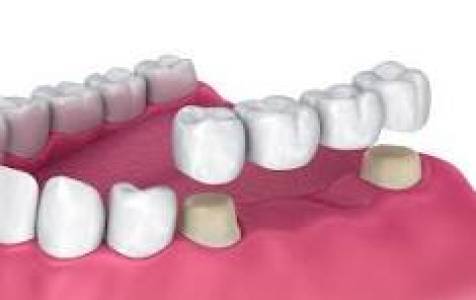
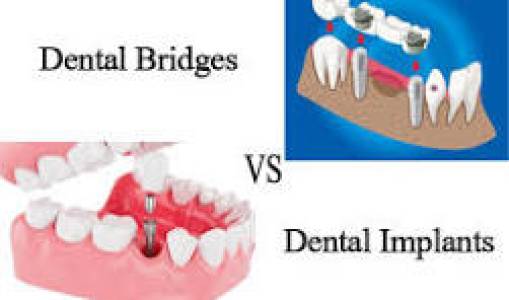
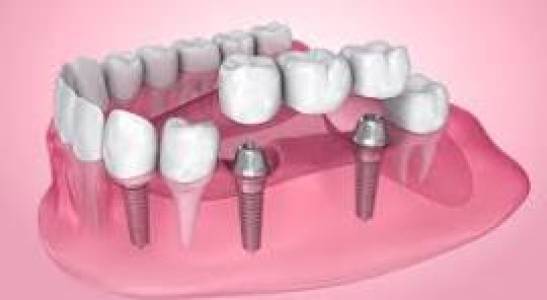
- Maintains Natural Appearance: Keeping your natural tooth helps maintain the aesthetics of your smile and prevents the need for bridges or implants in that spot.
- Long-Lasting Solution: With proper care, a successfully treated tooth can last a lifetime.
What is Root Canal Therapy?
Inside each tooth, beneath the enamel and dentin, lies a soft tissue called the pulp. The pulp contains blood vessels, nerves, and connective tissue, and extends from the crown of the tooth down to the tip of its roots. When the pulp becomes inflamed or infected due to deep decay, repeated dental procedures, a crack, or trauma, it can cause significant pain and damage.
Root canal therapy involves:
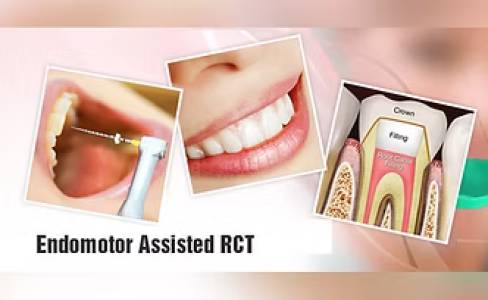
- Removing the Infected Pulp: The infected or inflamed pulp is carefully removed from the pulp chamber and root canals.
- Cleaning & Shaping: The inside of the tooth and root canals are thoroughly cleaned, disinfected, and shaped to prepare them for filling.
- Filling & Sealing: The cleaned canals are filled with a biocompatible material (usually gutta-percha) and sealed to prevent re-infection.
- Restoration: A temporary filling is placed to protect the tooth until a permanent restoration (like a dental crown) can be placed. The permanent crown is crucial for protecting the treated tooth from fracture and restoring its full function.
Signs You Might Need a Root Canal:
It's essential to seek dental attention if you experience any of the following symptoms:
- Severe toothache pain upon chewing or pressure.
- Prolonged sensitivity to hot or cold temperatures, even after the source is removed.
- Discoloration (darkening) of the tooth.
- Swelling and tenderness in the surrounding gums.
- A persistent or recurring "pimple" on the gums (a sign of an abscess).
The Procedure: What to Expect
Modern root canal treatment is a precise and often comfortable procedure, typically completed in one or two appointments:
- Diagnosis & Anesthesia: Your dentist will take X-rays and conduct an examination to confirm the diagnosis. Local anesthesia will be administered to numb the tooth and surrounding area, ensuring you feel no pain during the procedure.
- Access Opening: A small opening is made in the crown of the tooth to access the pulp chamber and root canals.
- Cleaning & Shaping: Tiny instruments are used to meticulously remove the infected pulp, clean, and shape the inside of the root canals. Irrigation solutions are used to disinfect the area.
- Filling & Sealing: The cleaned canals are filled with a rubber-like material called gutta-percha and sealed with an adhesive cement to prevent bacterial re-entry.
- Temporary Restoration: A temporary filling is placed in the access opening to protect the tooth until your next appointment for a permanent restoration.
- Permanent Restoration (Crown): In most cases, a dental crown is recommended after root canal therapy. This strengthens the treated tooth, protects it from future damage, and restores its natural appearance and function.
Post-Treatment Care & Longevity
- Mild Discomfort: It's normal to experience some mild soreness or sensitivity for a few days after the procedure, which can be managed with over-the-counter pain medication.
- Avoid Chewing: Try to avoid chewing on the treated tooth until the permanent crown is placed to prevent fracturing the weakened tooth.
- Good Oral Hygiene: Continue regular brushing, flossing, and routine dental check-ups.
- Crown Placement is Key: The success and longevity of your root canal depend heavily on placing a permanent crown or other restorative filling promptly.
- Lifelong Solution: With proper care, a tooth treated with root canal therapy can last as long as your other natural teeth.
Don't Let Pain Control Your Life!
If you suspect you may need root canal therapy, don't delay seeking treatment. Early intervention can prevent further complications and save your tooth.
Contact us today to schedule a consultation and let our experienced team help you eliminate pain, preserve your natural smile, and restore your oral health.