Description
Dental Crowns: Restore, Protect & Perfect Your Smile
Are you struggling with a broken, weakened, or severely discolored tooth? Dental crowns offer a durable, esthetic, and long-lasting solution to restore your smile's strength, function, and natural beauty.
What Are Dental Crowns?
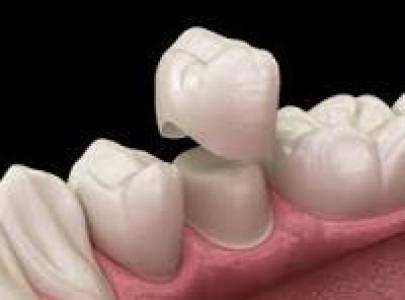
A dental crown, often referred to as a "cap," is a custom-made restoration that completely covers the entire visible portion of a damaged tooth, sitting directly on the gum line. Designed to mimic the exact shape, size, and color of your natural teeth, crowns provide protection, strengthen the tooth, and improve its overall appearance.
When Are Dental Crowns Recommended?
Your dentist may recommend a dental crown for a variety of reasons, including:
- Restoring a Fractured or Broken Tooth: To bring back its original shape and strength.
- Protecting a Weak Tooth: To prevent it from breaking, especially after a large filling or extensive decay.
- Covering a Tooth with a Large Filling: When there isn't enough natural tooth structure remaining.
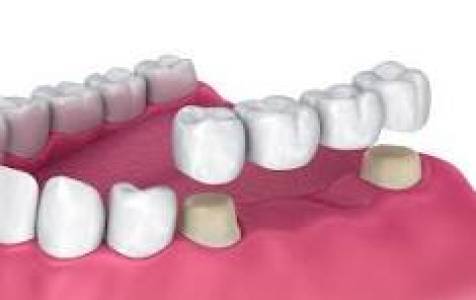
- Holding a Dental Bridge in Place: Crowns serve as anchors for bridges.
- Covering Misshapen or Severely Discolored Teeth: For significant cosmetic enhancement.
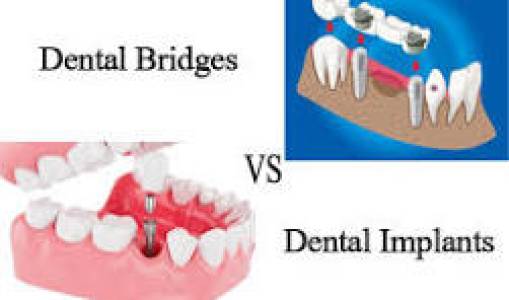
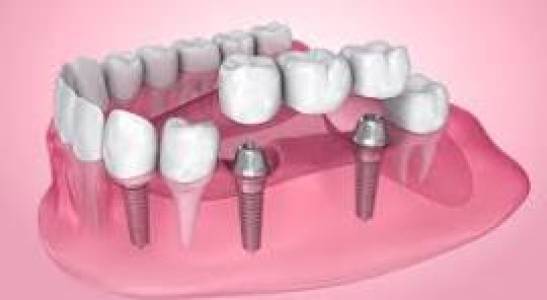
- Covering a Dental Implant: To serve as the visible, functional tooth replacement.
- Protecting a Tooth After Root Canal Treatment: Teeth that have undergone root canal therapy often become brittle and require a crown for protection.
Key Benefits of Dental Crowns
- Restored Strength & Function: Allows you to chew and speak comfortably without pain or worry.
- Enhanced Aesthetics: Blends seamlessly with your natural teeth, improving your smile's appearance.
- Protection for Damaged Teeth: Shields weakened teeth from further decay or fracture.
- Long-Lasting Solution: With proper care, crowns can last for many years, even decades.
- Improved Oral Health: Prevents further damage and supports overall dental well-being.
Types of Dental Crowns (Materials)
Modern dentistry offers a range of materials for dental crowns, each with unique advantages:
1. All-Ceramic / All-Porcelain Crowns
- Description: Made entirely from porcelain or other ceramic materials.
- Pros:
- Superior Aesthetics: Provides the most natural look, mimicking the translucency of natural tooth enamel.
- Metal-Free: Ideal for patients with metal allergies.
- Biocompatible: Excellent tissue compatibility.
- Cons:
- Can be slightly less durable than zirconia or PFM for very high bite forces.
- More prone to chipping than metal or zirconia.
- Best For: Front teeth where aesthetics are paramount.
2. Zirconia Crowns
- Description: Made from zirconium dioxide, a highly durable type of ceramic.
- Pros:
- Exceptional Strength: Extremely resistant to wear and fracture, making them very durable.
- Good Aesthetics: While not as translucent as traditional porcelain, advancements have made them highly natural-looking.
- Biocompatible: Excellent tissue compatibility.
- Metal-Free: A great alternative for those who prefer no metal.
- Cons:
- Can be harder on opposing teeth if not highly polished.
- May be slightly less translucent than all-porcelain options.
- Best For: Both front and back teeth, especially for patients needing high strength and good aesthetics.
3. E-max Crowns (Lithium Disilicate)
- Description: A type of all-ceramic crown known for its high strength and esthetic properties.
- Pros:
- Excellent Aesthetics: Offers high translucency and a beautiful, natural appearance.
- High Strength: Stronger than traditional porcelain crowns, making them suitable for many areas of the mouth.
- Minimally Invasive: Requires less tooth reduction than some other crown types.
- Cons:
- May not be as strong as zirconia for molar crowns in patients with very heavy bites.
- Best For: Front teeth and premolars, or single crowns anywhere in the mouth.
4. Porcelain-Fused-to-Metal (PFM) Crowns
- Description: Feature a metal alloy interior base with a layer of porcelain fused over it.
- Pros:
- Strength & Aesthetics: Offers a good balance of strength (from the metal) and natural appearance (from the porcelain).
- Cost-Effective: Often a more affordable option than all-ceramic crowns.
- Durable: The metal substructure provides excellent support.
- Cons:
- Metal Margin: A dark line may be visible at the gum line, especially as gums recede.
- Less Translucent: Cannot achieve the same natural translucency as all-ceramic crowns.
- Requires more tooth reduction.
- Best For: Back teeth where strength is crucial, or for patients seeking a balance of esthetics and durability within a budget.
5. Gold / Metal Alloy Crowns
- Description: Made from gold or other metal alloys (e.g., palladium, nickel, chromium).
- Pros:
- Ultimate Durability: Extremely strong, resistant to fracture and wear.
- Minimal Tooth Reduction: Requires less removal of healthy tooth structure.
- Gentle on Opposing Teeth: Wears down at a similar rate to natural enamel.
- Cons:
- Poor Aesthetics: Not tooth-colored, making them unsuitable for visible teeth.
- Thermal Conductivity: Can be sensitive to hot and cold initially.
- Best For: Back molars where strength and longevity are prioritized over aesthetics.
The Dental Crown Procedure
The placement of a dental crown typically involves two appointments:
- Preparation Appointment:
- Numbing: The tooth and surrounding gum tissue are numbed with a local anesthetic.
- Reshaping: The tooth is carefully reshaped to make space for the crown to fit over it.
- Impressions: Accurate impressions (molds) of your prepped tooth and surrounding teeth are taken. These are sent to a dental lab where your custom crown will be fabricated.
- Temporary Crown: A temporary crown is placed over your prepped tooth to protect it while your permanent crown is being made.
- Placement Appointment:
- Removal of Temporary: The temporary crown is gently removed.
- Fit & Shade Check: Your permanent crown is carefully placed on your tooth to check its fit, bite, and shade. Adjustments are made as needed.
- Permanent Bonding: Once you and your dentist are satisfied, the crown is permanently bonded to your tooth using a strong dental cement.
Caring for Your Dental Crown
With proper care, your dental crown can last for many years:
- Maintain Excellent Oral Hygiene: Brush twice daily and floss at least once a day, paying close attention to the gum line around your crown.
- Regular Dental Check-ups: Continue to visit your dentist for routine exams and cleanings.
- Avoid Hard & Sticky Foods: Limit chewing on extremely hard foods (e.g., ice, hard candy) or very sticky foods (e.g., caramels) that could potentially dislodge or damage your crown.
- Address Bruxism (Teeth Grinding): If you grind or clench your teeth, especially at night, talk to your dentist about a nightguard to protect your crown and natural teeth.
Why Choose [Your Practice Name/Our Crowns]?
- Experienced Dental Team: Our dentists are highly skilled in cosmetic and restorative dentistry, ensuring precise crown placement.
- State-of-the-Art Technology: We utilize advanced dental technology for accurate diagnostics and superior results.
- High-Quality Materials: We partner with reputable dental labs to provide crowns made from the finest materials for optimal aesthetics and durability.
- Personalized Care: We take the time to understand your needs and recommend the best crown solution for your unique situation.
- Comfort-Focused Environment: Your comfort is our priority throughout your treatment journey.
Frequently Asked Questions (FAQ) About Dental Crowns
Q: How long do dental crowns last? A: With good oral hygiene and regular dental check-ups, dental crowns can last anywhere from 5 to 15 years, and often much longer. The lifespan depends on factors like the material used, your oral habits, and the location of the crown.
Q: Does getting a dental crown hurt? A: The procedure is performed under local anesthetic, so you shouldn't feel any pain during the preparation or placement. You might experience some mild sensitivity or soreness after the anesthetic wears off, which can typically be managed with over-the-counter pain relievers.
Q: Will my dental crown look natural? A: Absolutely! We use high-quality materials and work closely with skilled dental labs to ensure your crown is custom-matched to the color, shape, and size of your natural teeth, blending seamlessly with your smile.
Q: Can a crowned tooth still get a cavity? A: While the crown itself cannot decay, the tooth structure underneath it, particularly at the crown's margin (where it meets the natural tooth), can still be susceptible to cavities. This is why excellent oral hygiene and regular dental check-ups are crucial.
Q: How much do dental crowns cost? A: The cost of a dental crown varies depending on the material chosen, the complexity of the case, and your dental insurance coverage. We will provide a detailed cost estimate during your consultation and discuss your financial options.
Ready to Restore Your Smile?
Don't let damaged or compromised teeth hold you back from smiling with confidence. Dental crowns can provide the strength, protection, and beauty your smile deserves.
Contact [Your Practice Name] today to schedule a consultation and find out if a dental crown is the right solution for you!
Disclaimer: The information provided in this product description is for general informational purposes only and does not constitute medical advice. It is essential to consult with a qualified dental professional for diagnosis, treatment, and personalized recommendations regarding your specific dental health needs.