Description
Given that "RCT" is a common acronym with multiple meanings, I will provide a detailed product description for Root Canal Treatment (RCT), which is a common dental procedure.
Root Canal Treatment (RCT): Restore Your Health, Preserve Your Smile
Gentle Care for Lasting Oral Health and Pain Relief
Product Overview: Root Canal Treatment, often abbreviated as RCT, is a highly effective and common dental procedure designed to save a tooth that has become infected, inflamed, or severely damaged. Far from the painful reputation it once held, modern RCT is performed with advanced techniques and local anesthesia, making it a comfortable experience comparable to a routine filling. Its primary goal is to alleviate pain, remove infection, and restore the tooth's health and function, preventing the need for extraction and preserving your natural smile.
Key Features & Benefits:
- Effective Pain Relief: Eliminates the severe pain and discomfort associated with infected or inflamed tooth pulp, allowing you to resume normal activities pain-free.
- Tooth Preservation: Saves your natural tooth from extraction, maintaining your natural bite, chewing ability, and aesthetic appearance.
- Infection Control: Thoroughly cleanses and removes bacteria and infected tissue from inside the tooth, preventing the spread of infection to other teeth or into the jawbone.
- Restored Oral Function: Once treated and properly restored (often with a crown), the tooth can function normally for biting and chewing, just like any other tooth.
- Long-Term Solution: With proper oral hygiene and regular dental check-ups, an RCT-treated tooth can last a lifetime, providing a durable solution to dental problems.
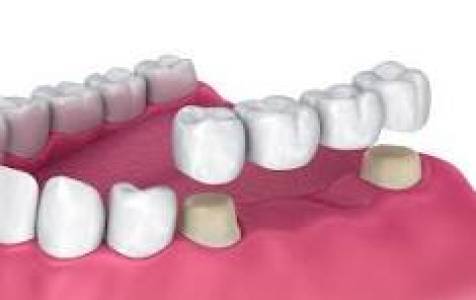
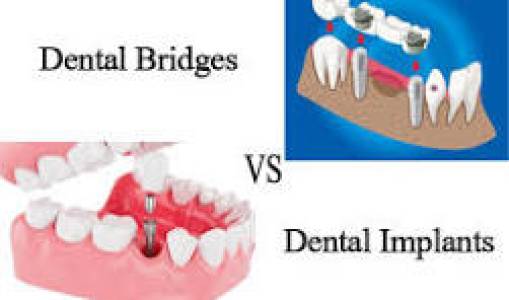
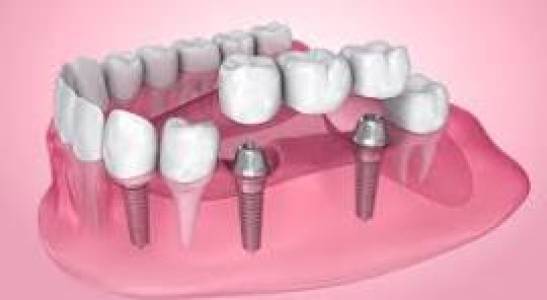
- Maintains Aesthetics: Preserving your natural tooth avoids gaps in your smile and the potential need for more complex and costly restorative procedures like bridges or implants.
- Minimally Invasive: While it addresses deep-seated issues, RCT is considered a conservative approach compared to extraction, as it maintains the tooth structure.
- Comfort-Focused Procedure: Utilizes advanced local anesthetics and techniques to ensure a comfortable and virtually pain-free experience during the treatment.
The RCT Process (What to Expect):
- Diagnosis: Your dentist will take X-rays and perform a thorough examination to determine if RCT is necessary.
- Anesthesia: Local anesthesia is administered to numb the affected tooth and surrounding area, ensuring a comfortable procedure.
- Access Cavity: A small opening is made on the crown of the tooth to access the pulp chamber and root canals.
- Pulp Removal & Cleaning: The infected or inflamed pulp, nerve tissue, and bacteria are carefully removed from the pulp chamber and root canals using specialized instruments.
- Shaping: The root canals are cleaned, disinfected, and shaped to prepare them for filling.
- Filling (Obturation): The cleaned and shaped canals are filled with a biocompatible material, usually gutta-percha, to seal them and prevent future infection.
- Temporary Filling: A temporary filling is placed to seal the opening in the tooth until the final restoration.
- Final Restoration: In most cases, a dental crown is recommended to protect the treated tooth from fracture and restore its full strength and function. This is typically done in a subsequent appointment.
Why Choose RCT Over Extraction?
- Maintains Natural Alignment: Keeps your bite stable and prevents surrounding teeth from shifting.
- Better Chewing Efficiency: A natural tooth generally offers superior chewing capabilities compared to replacements.
- Preserves Jawbone Health: Keeps the tooth root in place, which helps maintain the underlying bone structure.
- Avoids Complex Replacements: Prevents the need for dental implants, bridges, or partial dentures, which can be more involved and costly.
Ideal Candidates for Root Canal Treatment:
You may be a candidate for RCT if you experience:
- Persistent tooth pain, especially when chewing or applying pressure.
- Prolonged sensitivity to hot or cold temperatures (even after the source is removed).
- Swelling and tenderness in the surrounding gums.
- A small, pimple-like bump on the gums near the affected tooth (dental abscess).
- Discoloration or darkening of the tooth.
- Deep decay or a cracked/chipped tooth that has exposed the pulp.
Post-Treatment Care & Maintenance:
After your RCT, it's crucial to:
- Follow all post-operative instructions provided by your dentist.
- Take prescribed medication for any minor discomfort (usually over-the-counter pain relievers suffice).
- Avoid chewing on the treated tooth until the final restoration (crown) is placed.
- Maintain excellent oral hygiene, including brushing twice daily and flossing.
- Attend regular dental check-ups and cleanings.
Don't let dental pain compromise your quality of life. Root Canal Treatment offers a proven, effective, and comfortable solution to save your natural tooth and restore your oral health.
Contact us today to schedule a consultation and find out if RCT is the right solution for you!
Note on Acronym "RCT": This description pertains to Root Canal Treatment (dental procedure). If you were looking for information on Randomized Controlled Trials (medical research methodology), RollerCoaster Tycoon (video game), or another meaning of RCT, please clarify your request.