Description
Okay, here's a detailed product description for "Radiology" formatted in Markdown.
Product: Radiology
Title: Unveiling the Unseen: The Pinnacle of Diagnostic Imaging & Intervention
Tagline: See Beyond the Surface. Empowering Precision Medicine and Informed Healthcare Decisions.
🌟 Product Overview
Radiology stands as a fundamental pillar of modern medicine, a critical specialty that offers an unparalleled window into the human body. Far beyond mere "picture-taking," Radiology encompasses the sophisticated use of advanced imaging technologies and the expert interpretation of intricate images to provide invaluable insights into disease, injury, and physiological function. It transforms invisible symptoms and complex anatomical structures into tangible, actionable information, guiding clinicians toward accurate diagnoses, optimal treatment planning, and effective monitoring of patient health.
At its core, Radiology is about providing clarity. It helps identify conditions early, guides minimally invasive procedures, and plays a pivotal role across virtually every medical discipline, from emergency care to oncology, cardiology, neurology, orthopedics, and women's health.
✨ Key Features & Modalities
Radiology leverages a diverse and evolving suite of advanced imaging techniques, each meticulously designed and optimized for specific diagnostic and interventional needs:
- X-ray (Radiography):
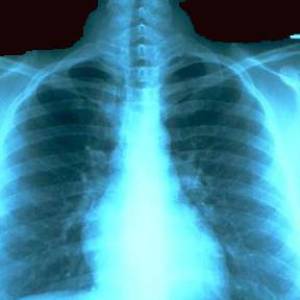
- Description: The foundational imaging tool utilizing electromagnetic radiation to create 2D images of internal structures.
- Applications: Excellent for bone fractures, chest conditions (pneumonia, collapsed lung), dental imaging, and initial screenings.
- Benefit: Quick, widely accessible, and cost-effective for initial assessments.
- Computed Tomography (CT Scan):
- Description: Combines multiple X-ray images taken from different angles with computer processing to create detailed cross-sectional (slice) images of organs, soft tissues, bone, and blood vessels. Can generate 3D reconstructions.
- Applications: Ideal for trauma assessment (head injuries, internal bleeding), cancer staging and detection, vascular conditions, complex bone analysis, and guiding biopsies.
- Benefit: Provides rapid, highly detailed anatomical information, crucial in emergencies.
- Magnetic Resonance Imaging (MRI):
- Description: Employs powerful magnetic fields and radio waves to generate exquisitely detailed images of soft tissues, organs, bone marrow, and neurological structures without using ionizing radiation.
- Applications: Crucial for brain and spinal cord imaging, joint injuries (ligaments, cartilage), abdominal organ assessment, tumor characterization, and cardiac function.
- Benefit: Superior soft tissue contrast, excellent for detecting subtle abnormalities, and radiation-free.
- Ultrasound (Sonography):
- Description: Utilizes high-frequency sound waves to visualize soft tissues, organs, and blood flow in real-time. Images are produced as sound waves bounce off structures within the body.
- Applications: Safe for pregnant women (obstetric imaging), abdominal organ assessment (gallbladder, liver, kidneys), vascular studies (blood clots), cardiac imaging (echocardiography), and guiding procedures.
- Benefit: Real-time imaging, radiation-free, portable, and excellent for dynamic assessment.
- Positron Emission Tomography (PET Scan):
- Description: A nuclear medicine technique that uses a small amount of a radioactive tracer injected into the bloodstream to visualize metabolic activity. Often combined with CT (PET-CT) for precise anatomical localization of metabolic hotspots.
- Applications: Primarily used in oncology (cancer detection, staging, recurrence, treatment response), neurology (Alzheimer's, epilepsy), and cardiology (myocardial viability).
- Benefit: Detects disease at a molecular and cellular level, often before anatomical changes are visible.
- Nuclear Medicine:
- Description: A broader field using small amounts of radioactive materials (radiopharmaceuticals) to diagnose and treat a wide range of diseases by assessing organ function and structure.
- Applications: Thyroid disorders, bone scans (fractures, tumors, infection), cardiac stress tests, kidney function, and specialized cancer therapies.
- Benefit: Provides functional insights into organ systems and targeted therapeutic options.
- Interventional Radiology (IR):
- Description: A subspecialty that performs minimally invasive procedures using imaging guidance (X-ray, CT, Ultrasound, MRI) to diagnose and treat a vast array of conditions that once required open surgery.
- Applications: Biopsies, angioplasty and stenting, tumor embolization, drainage procedures, pain management, and uterine fibroid embolization.
- Benefit: Less invasive, shorter recovery times, reduced pain, and lower risk compared to traditional surgery.
💪 Core Benefits & Value Proposition
- Precision Diagnosis: Uncover subtle abnormalities and pinpoint the exact nature, location, and extent of conditions with unparalleled accuracy.
- Early Detection: Identify diseases, including many cancers, in their earliest, most treatable stages, significantly improving patient outcomes.
- Treatment Guidance & Planning: Provide essential roadmaps for surgeons, oncologists, radiation therapists, and other specialists, optimizing therapeutic strategies.
- Minimally Invasive Solutions: Offer safe and effective alternatives to traditional surgery through advanced interventional radiology techniques, reducing patient recovery times and complications.
- Disease Monitoring: Track the progression of illness and the effectiveness of treatments over time, allowing for timely adjustments to care plans.
- Reduced Exploratory Surgery: Gain vital information without the need for invasive surgical exploration in many cases, decreasing risk and hospital stays.
- Improved Patient Outcomes: Lead to more effective and less invasive care, contributing directly to enhanced quality of life and longevity for patients.
- Enhanced Safety: Continuous advancements in technology focus on reducing radiation dose while maintaining diagnostic image quality.
🎯 Ideal For
- Referring Physicians (GPs, Specialists, Surgeons): Seeking definitive diagnoses, detailed anatomical information, and expert consultation for their patients.
- Hospitals & Healthcare Systems: Requiring state-of-the-art diagnostic capabilities, comprehensive imaging services, and highly skilled radiologists to enhance patient care.
- Patients: Needing accurate and timely assessment of symptoms, injuries, chronic conditions, or for routine screening and preventive health.
- Medical Researchers: Utilizing advanced imaging for clinical trials, understanding disease pathophysiology, and developing new treatments.
- Emergency & Trauma Centers: Requiring rapid, precise diagnostic tools to assess life-threatening conditions.
🚀 Advanced Technology & Innovation
Radiology is a field of constant innovation, driven by breakthroughs in:
- Artificial Intelligence (AI) & Machine Learning: Enhancing image analysis, anomaly detection, workflow efficiency, and predictive diagnostics.
- 3D/4D Reconstruction & Visualization: Providing volumetric views for enhanced surgical planning, virtual endoscopy, and a deeper understanding of complex anatomy.
- PACS (Picture Archiving and Communication Systems): Seamless digital storage, retrieval, and sharing of images and reports across healthcare networks, improving accessibility and collaboration.
- Teleradiology: Enabling remote interpretation of images by expert radiologists, ensuring timely diagnoses regardless of geographical location and improving access to specialized care.
- Quantitative Imaging: Extracting measurable biomarkers from images to assess disease severity, treatment response, and prognosis more objectively.
- Hybrid Imaging Systems: Integrating modalities like PET-CT and SPECT-CT to combine functional and anatomical information in a single scan.
👨⚕️ The Radiologist's Expertise: The Human Element
Beyond the incredible technology, the true value and "product" of Radiology lie in the highly specialized knowledge and experience of board-certified Radiologists. These medical doctors undergo extensive, rigorous training to:
- Interpret Complex Images: Translate intricate visual data into meaningful clinical insights.
- Correlate Findings with Clinical Data: Integrate imaging results with patient history, physical exams, and lab results for a holistic diagnosis.
- Consult & Collaborate: Work closely with referring physicians to guide optimal patient management.
- Perform Interventional Procedures: Execute precise, image-guided treatments.
- Advise on Imaging Protocols: Select the safest and most effective imaging modality for each patient.
Their expertise transforms images into actionable reports that drive patient care and ensure the highest standards of diagnostic accuracy.
📞 Call to Action
For Patients: Consult your primary care physician or specialist today to determine if a radiological examination or interventional procedure is the right step for your healthcare needs.
For Healthcare Providers & Institutions: Discover how integrating state-of-the-art radiology services and expert interpretation can elevate your diagnostic capabilities, enhance patient outcomes, and streamline clinical workflows. Contact us to learn more about advanced imaging solutions and partnership opportunities.