Description
Dialysis: Your Lifeline for Kidney Health
Unlocking Life's Potential: A Comprehensive Overview of Dialysis
When your kidneys can no longer effectively filter waste products, toxins, and excess fluid from your blood, Dialysis steps in as a life-sustaining medical treatment. More than just a procedure, dialysis is a sophisticated therapy designed to replicate the essential functions of healthy kidneys, helping you manage End-Stage Renal Disease (ESRD) and maintain your overall well-being.
What is Dialysis?
Dialysis is a medical procedure that removes waste products (like urea, creatinine, and potassium), excess salts, and extra fluid from your blood when your kidneys are unable to do so adequately. It plays a critical role in:
- Maintaining Fluid Balance: Preventing dangerous fluid buildup in the body, which can lead to swelling, shortness of breath, and heart strain.
- Balancing Electrolytes: Regulating levels of crucial minerals like potassium, sodium, and calcium to prevent complications like heart rhythm disturbances.
- Removing Toxins: Eliminating metabolic waste products that would otherwise accumulate and cause severe health issues.
Types of Dialysis: Tailored to Your Lifestyle
Understanding the options is key to finding the right fit for your medical needs and personal preferences.
1. Hemodialysis (HD)
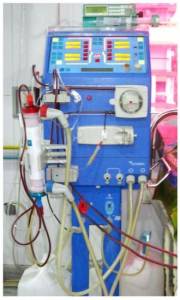
- How it Works: In hemodialysis, your blood is drawn from your body, circulated through an artificial kidney machine called a dialyzer (often referred to as an "artificial kidney"). The dialyzer filters out waste products and excess fluid, and the cleaned blood is then returned to your body.
- Access: Requires surgical creation of an access point, typically an arteriovenous (AV) fistula (preferred), AV graft, or a central venous catheter.
- Location:
- In-Center Hemodialysis: Most common, performed in a dialysis clinic with medical staff supervision.
- Home Hemodialysis: Allows treatment in the comfort of your home, offering greater flexibility and independence, often with a trained care partner.
- Frequency: Typically performed 3 times a week for 3-5 hours per session, though home hemodialysis often allows for more frequent, shorter sessions.
- Key Advantages: Highly effective filtration, direct medical supervision (in-center).
- Considerations: Fixed schedule (in-center), needle access, dietary and fluid restrictions.
2. Peritoneal Dialysis (PD)
- How it Works: Peritoneal dialysis uses the natural filtering membrane of your peritoneum (the lining of your abdomen) inside your body. A sterile solution called dialysate is introduced into your abdominal cavity through a permanently placed peritoneal catheter. The dialysate absorbs waste products and excess fluid from your blood across the peritoneal membrane. After several hours, the fluid is drained and replaced with fresh dialysate.
- Access: Requires a minor surgical procedure to implant a soft, flexible catheter into your abdomen.
- Location: Almost exclusively performed at home, providing significant lifestyle flexibility.
- Types:
- Continuous Ambulatory Peritoneal Dialysis (CAPD): Manual exchanges performed 3-5 times per day, allowing freedom of movement between exchanges.
- Automated Peritoneal Dialysis (APD): A machine called a cycler performs exchanges overnight while you sleep.
- Frequency: Continuous, with exchanges happening multiple times daily or overnight.
- Key Advantages: Greater flexibility and independence, no need for regular clinic visits for treatment, no needles, gentler on the body.
- Considerations: Requires strict sterile technique to prevent infection (peritonitis), daily commitment, permanent abdominal catheter.
Who Benefits from Dialysis?
Dialysis is primarily indicated for individuals with:
- End-Stage Renal Disease (ESRD): Chronic kidney failure where kidney function has declined to a critical level (typically GFR < 15 mL/min).
- Acute Kidney Injury (AKI): Temporary, severe kidney failure that may require short-term dialysis until kidney function recovers.
- Certain Overdoses or Poisonings: In cases where toxins cannot be removed by other means.
- Severe Electrolyte Imbalances: Life-threatening levels of potassium or other electrolytes that cannot be corrected otherwise.
Living with Dialysis: A Journey of Care and Adaptation
Choosing dialysis means committing to a new way of life that demands careful management, but it doesn't mean giving up on living fully.
- Medical Team Collaboration: You'll work closely with a dedicated team including nephrologists, nurses, dietitians, social workers, and technicians.
- Dietary and Fluid Management: Specific dietary restrictions (e.g., potassium, phosphorus, sodium, fluid intake) are crucial to prevent complications and optimize treatment effectiveness.
- Medication Management: You will likely be prescribed medications to manage anemia, bone health, blood pressure, and other conditions related to kidney failure.
- Emotional and Social Support: Connecting with support groups, family, and friends is vital for emotional well-being and managing the psychological aspects of chronic illness.
- Empowerment Through Education: Understanding your condition and treatment empowers you to actively participate in your care decisions.
Our Commitment to Your Dialysis Journey
We understand that a diagnosis requiring dialysis can be overwhelming. Our commitment is to provide:
- Patient-Centered Care: Tailoring treatment plans to your individual needs, preferences, and lifestyle.
- Advanced Technology: Utilizing state-of-the-art dialysis machines and techniques for optimal efficacy and safety.
- Experienced & Compassionate Team: Highly skilled professionals dedicated to your health, comfort, and education.
- Holistic Support: Addressing not just your physical health, but also your emotional, social, and nutritional well-being.
- Education & Training: Comprehensive guidance for in-center or home dialysis, ensuring you feel confident and capable in managing your care.
Important Considerations & Disclaimer
- Dialysis is a life-sustaining treatment, but it is not a cure for kidney disease. It replaces kidney function but does not restore it.
- Treatment choice and modality should always be made in consultation with your nephrologist and medical team.
- Individual results and experiences with dialysis can vary.
Take the Next Step Towards Wellness
If you or a loved one are facing kidney failure and considering dialysis, it's essential to have a thorough discussion with your healthcare provider.
Contact your nephrologist today to explore your options and create a personalized treatment plan that supports your health and quality of life.