Description
CT Scan (Computed Tomography) | Advanced Diagnostic Imaging
Unlocking Unparalleled Insights into Your Health
A CT (Computed Tomography) scan is a sophisticated, non-invasive medical imaging technique that utilizes specialized X-ray equipment and powerful computers to create highly detailed, cross-sectional images (slices) of organs, soft tissues, bone, and blood vessels. Far beyond the capabilities of conventional X-rays, a CT scan provides multi-dimensional views that allow physicians to diagnose a wide range of medical conditions with remarkable precision.
At [Your Clinic/Hospital Name, if applicable], we leverage state-of-the-art CT technology to provide accurate and timely diagnostic information, supporting effective treatment planning and improved patient outcomes.
Key Features & Benefits
- Exceptional Anatomical Detail: Produces clear, high-resolution images of internal structures, including soft tissues, bone, and blood vessels, which may not be visible on standard X-rays.
- Rapid Scan Times: Modern CT scanners are incredibly fast, reducing scan duration and minimizing patient discomfort, especially beneficial in emergency situations or for anxious patients.
- Comprehensive Diagnostic Scope: Used to diagnose conditions across virtually all body systems, from head to toe.
- 3D Reconstruction & Multi-planar Views: Advanced software allows for the creation of three-dimensional models and views from various angles, providing a deeper understanding of complex anatomical relationships and pathologies.
- Minimally Invasive Procedure Guidance: CT imaging can guide minimally invasive procedures such as biopsies, aspirations, and pain management injections with pinpoint accuracy.
- Superior Soft Tissue Visualization: Offers better visualization of soft tissue structures and organs compared to plain X-rays, crucial for detecting tumors, infections, and inflammation.
How a CT Scan Works
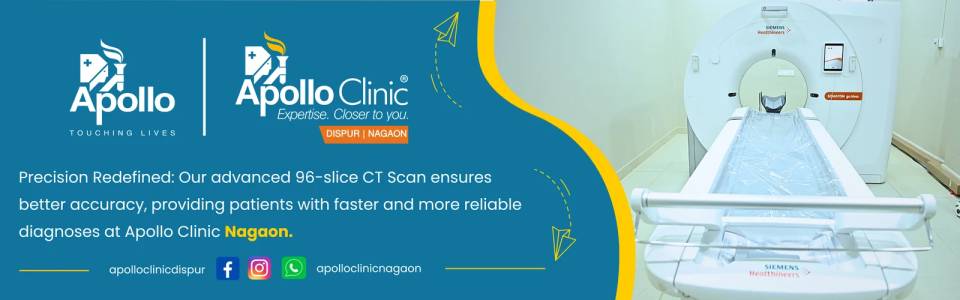
During a CT scan, you will lie comfortably on a motorized table that slides into a large, doughnut-shaped scanner. Inside the scanner, an X-ray tube rotates rapidly around your body, taking multiple X-ray images from different angles. These images are then sent to a powerful computer that processes them into detailed cross-sectional slices. The technologist can then reconstruct these slices into multi-planar views or 3D images, providing your physician with comprehensive diagnostic information.
In some cases, a contrast material (dye) may be administered orally or intravenously to enhance the visibility of specific organs, blood vessels, or abnormalities.
Common Applications
CT scans are invaluable tools in diagnosing and monitoring a vast array of medical conditions, including but not limited to:
- Neurology: Detecting brain tumors, strokes, aneurysms, and head injuries.
- Oncology: Identifying tumors, determining their size and location, staging cancer, and monitoring treatment response.
- Orthopedics: Evaluating complex fractures, joint abnormalities, spinal issues, and bone tumors.
- Cardiology: Assessing coronary arteries (CT Angiography - CTA), detecting aneurysms, and evaluating heart structures.
- Abdominal & Pelvic: Diagnosing appendicitis, kidney stones, pancreatitis, liver disease, intestinal issues, and reproductive organ conditions.
- Pulmonary: Detecting lung nodules, pneumonia, pulmonary embolism, and chronic lung diseases.
- Trauma: Rapidly assessing internal injuries from accidents, such as internal bleeding or organ damage.
Patient Experience & Preparation
- Before Your Scan: You may be asked to fast for a few hours before your scan, especially if contrast material is used. Inform our team about any allergies, kidney problems, diabetes, or if you are pregnant or suspect you might be. You may need to remove jewelry and wear a gown.
- During Your Scan: You will lie still on a comfortable table. The table will move into the scanner, and you may hear humming or clicking noises. The technologist will communicate with you throughout the procedure via an intercom and may ask you to hold your breath for short periods. The scan itself is painless.
- After Your Scan: If you received contrast material, you will be advised to drink plenty of fluids to help flush it from your system. You can typically resume your normal activities immediately.
Safety Information
- Radiation Exposure: CT scans involve exposure to a small amount of ionizing radiation. Our advanced equipment and protocols (ALARA - As Low As Reasonably Achievable) are designed to minimize this exposure while maintaining diagnostic image quality. The benefits of an accurate diagnosis typically outweigh the potential risks for medically necessary scans.
- Contrast Material: While generally safe, some individuals may experience allergic reactions to contrast dye. Please inform your physician and our staff of any known allergies or kidney conditions.
- Pregnancy: CT scans are generally not recommended for pregnant women unless the benefits of the scan significantly outweigh the risks to the unborn baby. Please inform your doctor and our staff immediately if you are pregnant or think you might be.
Why Choose [Your Clinic/Hospital Name] for Your CT Scan?
- Leading-Edge Technology: We invest in the latest CT scanning technology for superior image quality and faster scans.
- Expert Radiologists: Our board-certified radiologists possess extensive experience in interpreting CT images, ensuring accurate diagnoses.
- Certified Technologists: Our skilled and compassionate technologists are dedicated to your comfort and safety throughout the procedure.
- Patient-Centered Care: We prioritize clear communication, comfort, and a supportive environment for every patient.
- Timely Results: We understand the importance of prompt diagnosis and strive to deliver imaging reports efficiently to your referring physician.
Schedule Your CT Scan
If your physician has recommended a CT scan, or if you have questions about this advanced diagnostic service, please contact us today at [Phone Number] or visit our website at [Website Address] to learn more or schedule an appointment.
Advisory Note: This information is for general educational purposes only and does not constitute medical advice. Always consult with a qualified healthcare professional for diagnosis and treatment of any medical condition.