Description
Here's a detailed product description for root canal treatment, formatted in Markdown:
Root Canal Treatment: Save Your Natural Tooth & Relieve Pain
Are you experiencing persistent toothache, sensitivity, or swelling around a specific tooth? The thought of a "root canal" might sound intimidating, but it's a highly effective and common dental procedure designed to save your natural tooth, eliminate pain, and prevent further infection. At [Your Clinic Name], we are dedicated to providing compassionate, state-of-the-art endodontic care, ensuring your comfort and optimal oral health.
What is a Root Canal?
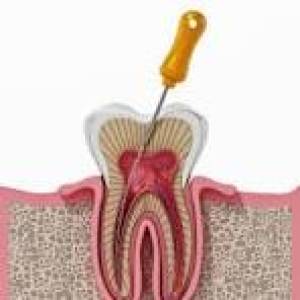
A root canal, also known as endodontic therapy, is a dental procedure that involves removing the infected or inflamed pulp from inside a tooth. The pulp is the soft tissue inside your tooth that contains nerves, blood vessels, and connective tissue. When this pulp becomes damaged, infected, or inflamed due to deep decay, trauma, cracks, or repeated dental procedures, it can cause severe pain and lead to an abscess if left untreated.
The procedure involves carefully cleaning, shaping, disinfecting, and then filling the root canals to prevent reinfection. The tooth is then sealed, and usually, a crown is placed over it for protection and to restore its full function.
Key Benefits of Root Canal Treatment:
- Relieves Pain: The primary benefit is the immediate and lasting relief from the severe pain caused by an infected tooth.
- Saves Your Natural Tooth: A root canal allows you to keep your natural tooth, which is always the best option for maintaining proper bite, chewing function, and aesthetics.
- Prevents Spread of Infection: It stops the infection from spreading to other teeth, gums, or even into the bloodstream, which can have serious health implications.
- Restores Chewing Function: Once treated and restored with a crown, the tooth can function normally, allowing you to eat all your favorite foods without discomfort.
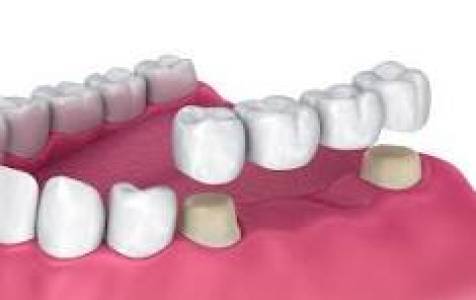
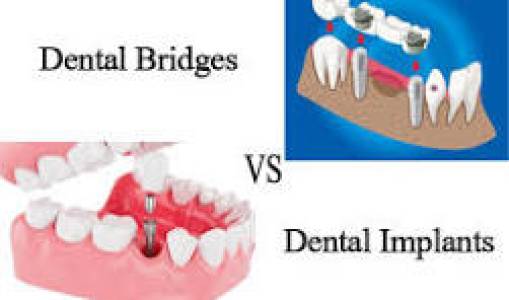
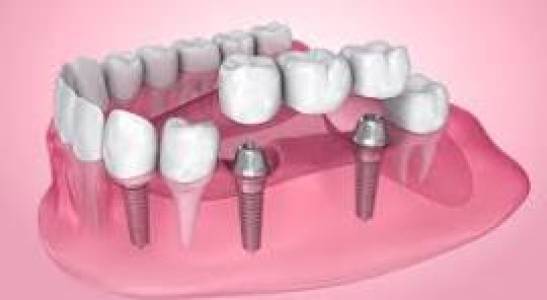
- Maintains Natural Appearance: Keeping your natural tooth avoids gaps or the need for more complex and costly tooth replacement options like bridges or implants (though these are excellent alternatives when a tooth cannot be saved).
- Cost-Effective Long-Term: While an initial investment, a root canal is often more cost-effective over the long term compared to extraction followed by an implant or bridge.
When is a Root Canal Needed? (Indications)
You might need a root canal if you experience any of the following symptoms:
- Persistent Toothache: Ranging from mild to severe, often throbbing, and continuous pain.
- Sensitivity: Lingering sensitivity to hot or cold temperatures, even after the source is removed.
- Swelling and Tenderness: Swelling in the gums around the affected tooth, and tenderness when chewing or touching the tooth.
- Pimple-Like Bump on Gums: A small bump (fistula) on the gums near the infected tooth, which may periodically release pus.
- Tooth Discoloration: Darkening or graying of the tooth, indicating nerve damage.
- Deep Decay: Extensive cavities that have reached the pulp.
- Tooth Trauma: A chip, crack, or fracture in the tooth that exposes the pulp.
The Root Canal Procedure: What to Expect
The root canal procedure is typically performed in one or two appointments, depending on the severity of the infection and your individual case.
- Anesthesia: We begin by numbing the affected tooth and surrounding area with a local anesthetic to ensure you are completely comfortable and pain-free throughout the procedure.
- Isolation: A dental dam (a small sheet of latex or non-latex material) is placed around the tooth to keep it dry and free from saliva during the treatment.
- Access Opening: A small opening is made in the crown of the tooth to access the pulp chamber and root canals.
- Cleaning and Shaping: Using tiny instruments (files), the infected or inflamed pulp is carefully removed from the pulp chamber and root canals. The canals are then thoroughly cleaned, disinfected, and shaped to prepare them for filling.
- Filling the Canals: Once the canals are clean and dry, they are filled with a biocompatible, rubber-like material called gutta-percha, which is sealed with an adhesive cement to prevent reinfection.
- Temporary Filling: A temporary filling is placed in the access opening to protect the tooth until your next appointment for final restoration.
- Final Restoration (Crown): In most cases, a dental crown is essential after a root canal. This custom-made cap is placed over the treated tooth to protect it from fracture, restore its strength, and return it to full function and aesthetic appeal.
Post-Treatment Care & Recovery
After your root canal, it's normal to experience some mild sensitivity or tenderness, especially when chewing, for a few days. This can usually be managed with over-the-counter pain relievers.
- Avoid chewing on the treated tooth until your final restoration (crown) is placed, as the tooth is vulnerable to fracture.
- Maintain good oral hygiene by brushing and flossing regularly.
- Attend your follow-up appointment to have your permanent crown placed.
Common Myths About Root Canals Debunked:
- Myth: Root canals are painful. Fact: With modern anesthetics and techniques, a root canal procedure is no more uncomfortable than getting a filling. The procedure itself relieves the severe pain caused by the infection.
- Myth: Root canals cause illness. Fact: This myth originated from flawed research over a century ago. There is no scientific evidence linking root canal treatment to any systemic illnesses elsewhere in the body.
- Myth: It's better to just extract the tooth. Fact: Saving your natural tooth is almost always the best option. An extracted tooth can lead to shifting of adjacent teeth, bone loss, and issues with chewing and aesthetics. While tooth replacement options like implants are excellent, nothing beats your natural tooth.
- Myth: Root canals only require one visit. Fact: While some simpler cases can be completed in one visit, many require two appointments for thorough cleaning and sealing. Furthermore, a separate appointment is needed for the placement of the permanent crown.
Why Choose [Your Clinic Name] for Your Root Canal?
At [Your Clinic Name], we combine expertise with a patient-centered approach:
- Experienced Team: Our dentists have extensive experience in performing root canal treatments, utilizing the latest techniques and technology.
- Advanced Technology: We use modern diagnostic tools and advanced endodontic equipment to ensure precise and effective treatment.
- Patient Comfort: Your comfort is our priority. We offer [mention any specific comfort amenities, e.g., sedation options, blankets, music, gentle injection techniques] to make your experience as relaxed as possible.
- Compassionate Care: We understand dental anxiety. Our team takes the time to explain every step, answer your questions, and ensure you feel confident and cared for.
Ready to Get Relief?
Don't let tooth pain dictate your life or compromise your oral health. If you suspect you may need a root canal, or are experiencing severe tooth pain, we encourage you to schedule a consultation with our expert team at [Your Clinic Name] today. We'll accurately diagnose your condition and discuss the best treatment options to get you back to smiling comfortably.
Contact us at [Phone Number] or visit our website at [Website Link] to book your appointment.
Disclaimer: This product description provides general information about root canal treatment and is not a substitute for professional medical advice. Always consult with a qualified dental professional for diagnosis and treatment of any dental condition.