Description
Here is a detailed product description for a Root Canal procedure, formatted in Markdown:
The Root Canal Procedure: Save Your Natural Smile, Eliminate Pain
Is Persistent Tooth Pain Dictating Your Life?
Experiencing throbbing toothaches, extreme sensitivity to hot or cold, or swelling around a tooth? These are common signs that the pulp inside your tooth, containing nerves and blood vessels, may be infected or inflamed. Left untreated, this can lead to severe pain, abscess formation, and even tooth loss.
A Root Canal, also known as Endodontic Treatment, is a highly effective and common dental procedure designed to save your natural tooth, relieve discomfort, and prevent the spread of infection. It's an alternative to tooth extraction, allowing you to maintain your natural bite, chewing function, and a complete smile.
What is a Root Canal?
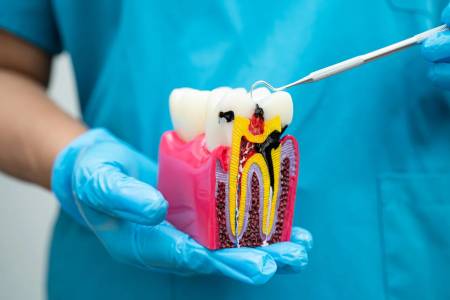
Deep inside your tooth, beneath the enamel and dentin, lies a soft tissue called the pulp. The pulp extends from the crown of the tooth to the tip of the roots, housing nerves, blood vessels, and connective tissue. When this pulp becomes inflamed or infected due to deep decay, repeated dental procedures, cracks in the tooth, or trauma, a root canal is necessary.
During the procedure, your dentist or endodontist carefully removes the infected or damaged pulp, thoroughly cleans and shapes the inside of the root canal system, and then fills and seals the space. This process eliminates the source of infection, stops pain, and saves your tooth.
Key Benefits & Why It's the Right Choice:
- Effective Pain Relief: Immediately eliminates the severe pain and discomfort caused by an infected tooth.
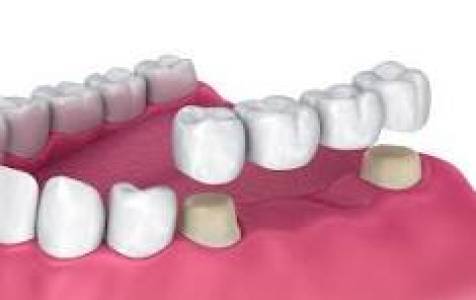
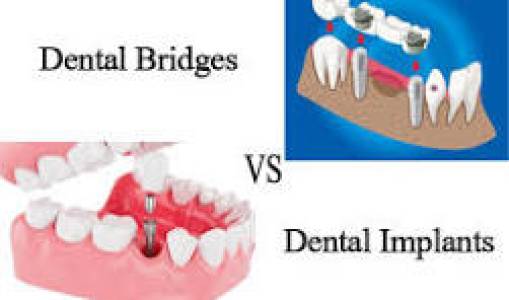
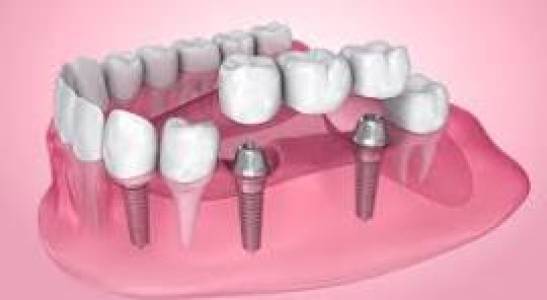
- Tooth Preservation: Saves your natural tooth, preventing the need for extraction and subsequent prosthetic solutions like bridges or implants.
- Prevents Infection Spread: Stops the infection from spreading to adjacent teeth, gums, and other parts of your body, which can have serious health implications.
- Maintains Oral Health: Keeps your natural tooth alignment, prevents surrounding teeth from shifting, and preserves your chewing efficiency.
- Long-lasting Solution: With proper care and a final restoration (often a dental crown), a treated tooth can last a lifetime.
- Esthetic Outcome: Often followed by a crown or filling, the treated tooth can look and function just like any other tooth.
- Cost-Effective Long-Term: While there's an initial investment, saving your natural tooth is often more cost-effective over time than extracting it and replacing it with an artificial alternative.
When Is Endodontic Treatment Recommended?
A root canal is typically recommended when the tooth pulp is inflamed, infected, or damaged. Common indications include:
- Severe Toothache: Persistent and throbbing pain, especially when chewing or applying pressure.
- Lingering Sensitivity: Pain or sensitivity to hot or cold temperatures that continues long after the stimulus is removed.
- Swelling: Tenderness or swelling in the surrounding gums, or even facial swelling.
- Pimple-like Bumps: A persistent or recurring "pimple" on the gums (a fistula or abscess).
- Tooth Discoloration: Darkening or grayish appearance of the tooth.
- Deep Decay: Extensive tooth decay that has reached the pulp chamber.
- Cracked or Chipped Tooth: A crack or chip that extends into the pulp, exposing it to bacteria.
- Trauma: An injury to the tooth that has damaged the pulp.
The Root Canal Procedure: What to Expect
Modern root canal treatments are remarkably comfortable and often completed in one or two appointments. With advancements in anesthesia and dental techniques, the procedure is comparable to a routine filling.
- Diagnosis & Anesthesia: Your dentist or endodontist will take X-rays and conduct an examination to confirm the diagnosis. Local anesthesia will be administered to numb the tooth and surrounding area, ensuring you feel no pain during the procedure.
- Access Opening: A small opening is made in the crown of the tooth to access the pulp chamber and root canals.
- Cleaning & Shaping: Tiny instruments are used to remove the infected pulp, clean the root canals, and shape them for filling. The area is thoroughly disinfected with antimicrobial solutions.
- Filling & Sealing: Once cleaned and shaped, the root canals are filled with a biocompatible, rubber-like material called gutta-percha, which is sealed with adhesive cement to prevent re-infection.
- Temporary Restoration: A temporary filling is placed in the access opening to protect the tooth until the final restoration.
- Final Restoration: In most cases, a dental crown is recommended after a root canal. This permanent restoration provides protection to the weakened tooth structure and restores its full function and appearance.
Aftercare & Recovery
After your root canal, it's normal to experience some mild sensitivity or discomfort for a few days, especially when chewing. This can typically be managed with over-the-counter pain relievers.
- Avoid chewing on the treated tooth until your final restoration (crown or permanent filling) is placed.
- Maintain excellent oral hygiene with regular brushing and flossing.
- Attend your follow-up appointments as scheduled for the placement of your permanent restoration.
- Continue regular dental check-ups to ensure the long-term health of your treated tooth and overall oral health.
With proper care, a tooth treated with a root canal can function normally and last for many years, allowing you to enjoy a healthy, pain-free smile.
Take the First Step Towards Relief!
Don't let tooth pain compromise your health and quality of life. If you're experiencing symptoms of an infected tooth, a root canal may be the solution you need to restore comfort and preserve your natural smile.
Contact us today at [Your Phone Number] or visit our website at [Your Website Address] to schedule a consultation with our experienced dental team.
Disclaimer: This information is for general educational purposes only and does not constitute medical advice. It is essential to consult with a qualified dental professional for diagnosis and treatment recommendations tailored to your specific condition.