Description
Here's a detailed product description for Root Canal Treatment, formatted in Markdown:
Root Canal Treatment (Endodontic Therapy)
Are you experiencing persistent tooth pain, sensitivity, or swelling around a tooth? These symptoms could indicate an infection or inflammation deep within your tooth, requiring a root canal treatment. Root Canal Treatment, also known as Endodontic Therapy, is a highly effective and common dental procedure designed to save a tooth that has been severely damaged or infected, preventing its extraction.
What is Root Canal Treatment?
At the core of every tooth lies the dental pulp – a soft tissue containing nerves, blood vessels, and connective tissue. This pulp extends from the crown of the tooth down into the roots. When the pulp becomes infected or inflamed due to deep decay, repeated dental procedures, cracks in the tooth, or trauma, it can cause severe pain and lead to an abscess if left untreated.
Root canal treatment involves carefully removing the infected or inflamed pulp, cleaning and disinfecting the inside of the tooth's root canals, and then filling and sealing the space to prevent further infection. This procedure allows you to keep your natural tooth, maintaining your smile and chewing function.
Why Might You Need a Root Canal? (Indications)
You might be a candidate for root canal treatment if you experience any of the following symptoms or conditions:
- Persistent Tooth Pain: Ranging from mild to severe, often throbbing, and continuous.
- Sensitivity to Hot and Cold: Lingering sensitivity, especially after the hot or cold stimulus has been removed.
- Tenderness to Touch and Chewing: Pain when biting down or touching the tooth.
- Swelling: Swelling in the gums, face, or neck around the affected tooth.
- Pimple-like Bumps on the Gums: A "pimple" or lesion (abscess) on the gum near the painful tooth, which may intermittently release pus.
- Darkening of the Tooth: Discoloration of the tooth, indicating nerve damage.
- Deep Decay: Extensive cavities that have reached the pulp.
- Cracked or Chipped Tooth: Injuries that expose the pulp.
- Dental Trauma: A blow to the tooth that has damaged the pulp.
The Root Canal Procedure: Step-by-Step
Modern root canal treatment is typically performed in one or two appointments and is often as comfortable as receiving a routine filling. Here's what you can expect:
- Diagnosis and Anesthesia: We begin with a thorough examination, including X-rays, to confirm the diagnosis. Local anesthesia is then administered to numb the affected tooth and surrounding area, ensuring you feel no pain during the procedure.
- Isolation: A rubber dam is placed around the tooth to keep it dry and clean, preventing saliva and bacteria from entering during treatment.
- Access Opening: A small opening is made in the crown of the tooth to access the pulp chamber and root canals.
- Cleaning and Shaping: Using specialized instruments, the infected or inflamed pulp is carefully removed. The root canals are then meticulously cleaned, disinfected, and shaped to prepare them for filling.
- Filling and Sealing: Once the canals are thoroughly cleaned and dried, they are filled with a biocompatible, rubber-like material called gutta-percha. A sealer cement is used to ensure the canals are completely sealed.
- Temporary Filling: A temporary filling is placed in the access opening to protect the tooth until your permanent restoration is ready.
- Permanent Restoration: In most cases, a dental crown or permanent filling is necessary after a root canal. This restoration provides strength, protects the treated tooth from further damage, and restores its full function and appearance. This final step is crucial for the long-term success of your root canal.
Benefits of Root Canal Treatment
Choosing root canal treatment offers numerous advantages:
- Saves Your Natural Tooth: The primary benefit is preserving your original tooth, preventing the need for extraction.
- Relieves Pain: Eliminates the severe pain and discomfort caused by infection or inflammation.
- Prevents Infection Spread: Stops the infection from spreading to other teeth, gums, and potentially other parts of your body.
- Restores Chewing Function: Allows you to continue eating your favorite foods without pain or difficulty.
- Maintains Appearance: Keeps your natural smile intact, avoiding gaps or the need for artificial replacements.
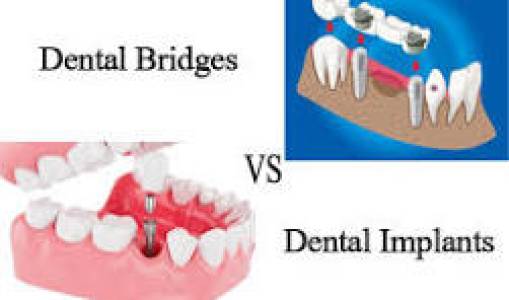
- Cost-Effective: Often more economical in the long run compared to extraction followed by a bridge or dental implant.
Dispelling the Myths: Is It Painful?
The most common misconception about root canals is that they are painful. In reality, modern root canal treatment is designed to relieve pain, not cause it. With advanced local anesthetics and techniques, the procedure is typically comfortable, with many patients reporting it's no more uncomfortable than a routine filling. Any post-procedure soreness is usually mild and manageable with over-the-counter pain relievers.
What to Expect After Your Treatment
It's normal to experience some mild sensitivity or tenderness for a few days after your root canal, especially while chewing. This discomfort is temporary and can be managed with pain medication as directed.
- Avoid Chewing: Try to avoid chewing on the treated tooth until your permanent crown or restoration is placed.
- Good Oral Hygiene: Continue to brush and floss regularly.
- Final Restoration is Key: Ensure you return for your permanent crown or filling as scheduled. This step is critical for protecting the tooth and ensuring the long-term success of the root canal.
Why Choose [Your Clinic Name] for Your Root Canal?
At [Your Clinic Name], we are committed to providing exceptional dental care in a comfortable and compassionate environment. When you choose us for your root canal treatment, you benefit from:
- Experienced Team: Our dentists have extensive experience in performing root canal procedures with precision and care.
- Advanced Technology: We utilize state-of-the-art diagnostic and treatment tools to ensure effective and efficient therapy.
- Patient Comfort: We prioritize your comfort with gentle techniques, local anesthesia, and sedation options if needed.
- Sterilization Standards: We adhere to the highest sterilization protocols for your safety and peace of mind.
- Personalized Care: We take the time to explain every step, answer your questions, and tailor treatment to your specific needs.
Investment in Your Oral Health
The cost of root canal treatment can vary depending on the complexity of the case and the tooth involved. We believe in transparent pricing and will provide a detailed cost estimate after your initial consultation. We also work with many insurance providers and offer flexible financing options to make your treatment affordable.
Don't Let Pain Linger – Schedule Your Consultation Today!
If you suspect you may need a root canal or are experiencing any symptoms of a tooth infection, don't delay. Early intervention can save your tooth and prevent more complex problems.
Contact [Your Clinic Name] today at [Phone Number] or visit our website at [Website] to schedule a comprehensive consultation. Let us help you relieve your pain and restore your healthy smile!
Disclaimer: This product description is for informational purposes only and does not constitute medical advice. Please consult with a qualified dental professional to discuss your specific condition and treatment options. Individual results may vary.