Description
Restore Your Smile & Health: Expert Root Canal Treatment
Don't let persistent tooth pain or dental infection dictate your life. Root Canal Treatment (RCT), also known as Endodontic Treatment, is a highly effective and common dental procedure designed to save a severely damaged or infected tooth, alleviate pain, and restore your oral health.
What is Root Canal Treatment?
Inside your tooth, beneath the hard enamel and dentin, lies the soft pulp. This pulp contains nerves, blood vessels, and connective tissue. When this pulp becomes infected or inflamed due to deep decay, repeated dental procedures, cracks, or trauma, it can cause severe pain, swelling, and even lead to an abscess.
Root Canal Treatment involves carefully removing the infected or inflamed pulp, thoroughly cleaning and disinfecting the inside of the tooth, and then filling and sealing the space. This process eliminates the infection, relieves your pain, and allows you to keep your natural tooth.
Key Benefits of Root Canal Treatment
Choosing root canal treatment offers numerous advantages, ensuring the longevity of your smile and overall well-being:
- Saves Your Natural Tooth: The primary goal is to preserve your tooth, preventing the need for extraction and the subsequent issues that can arise from missing teeth.
- Eliminates Pain & Discomfort: By removing the infected pulp, the source of your pain is eradicated, providing significant relief.
- Prevents Spread of Infection: Treatment stops the infection from spreading to other teeth, gums, or even into your bloodstream.
- Restores Normal Function: Once treated and properly restored (usually with a crown), the tooth functions just like any other, allowing you to chew and speak comfortably.
- Maintains Natural Appearance: Keeping your natural tooth helps maintain the aesthetics of your smile and prevents the shifting of adjacent teeth.
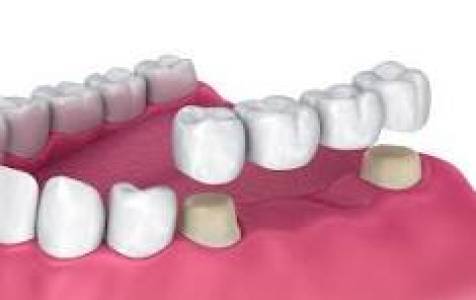
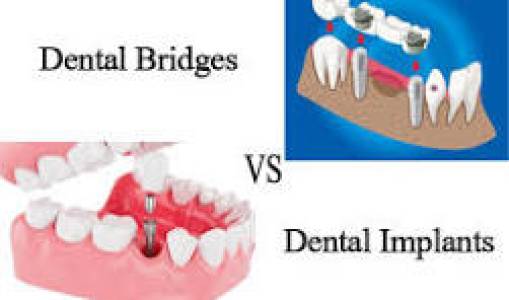
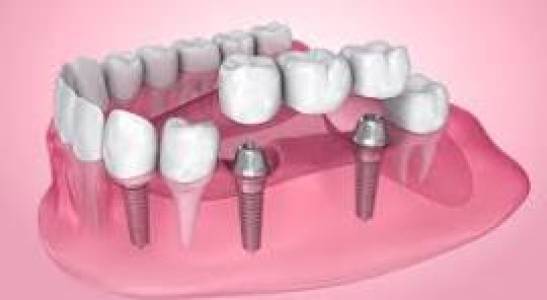
- Cost-Effective Long-Term Solution: Saving a natural tooth with a root canal can be more cost-effective in the long run than extraction followed by a bridge or implant.
When Might You Need a Root Canal? (Indications)
You might be a candidate for root canal treatment if you experience any of the following symptoms:
- Severe, persistent toothache when chewing or applying pressure.
- Prolonged sensitivity to hot or cold temperatures, even after the source is removed.
- Tenderness or swelling in the surrounding gums.
- A "pimple" like bump on the gums (a sign of an abscess).
- Discoloration or darkening of the tooth.
- Pain that wakes you up at night.
- Chipped or cracked tooth that exposes the pulp.
- Deep decay reaching the pulp chamber.
Our Root Canal Treatment Process
We prioritize your comfort and deliver precise, effective treatment through a step-by-step approach:
- Thorough Diagnosis: We begin with a comprehensive examination, including digital X-rays, to accurately assess the extent of the infection or damage.
- Local Anesthesia: To ensure a completely pain-free procedure, the area around the affected tooth will be numbed with local anesthesia. Sedation options are also available for anxious patients.
- Access Opening: A small opening is created in the crown of the tooth to access the pulp chamber and root canals.
- Cleaning & Shaping: The infected or inflamed pulp is carefully removed. Specialized, flexible instruments (often rotary files) are used to meticulously clean and shape the root canals, preparing them for filling.
- Disinfection: The canals are thoroughly disinfected with antimicrobial solutions to eliminate all bacteria.
- Filling & Sealing: Once clean and dry, the root canals are filled with a biocompatible, rubber-like material called gutta-percha, which is sealed with an adhesive cement to prevent re-infection.
- Temporary Filling: A temporary filling is placed in the access opening to protect the tooth until your permanent restoration.
- Permanent Restoration (Crown): In most cases, a dental crown is essential after root canal treatment to protect the now brittle tooth from fracture and restore its full strength and function. This is typically done in a separate appointment.
Why Choose Us for Your Root Canal Treatment?
- Experienced & Compassionate Team: Our dentists and endodontists are highly skilled in performing root canal procedures with precision and a gentle touch, ensuring your comfort throughout.
- Advanced Technology: We utilize state-of-the-art equipment, including digital X-rays for clear diagnostics, dental microscopes for enhanced visibility, and rotary instruments for efficient and precise cleaning.
- Patient-Centered Care: Your comfort and well-being are our top priorities. We offer various comfort options, including local anesthesia and sedation, to make your experience as stress-free as possible.
- Strict Sterilization Protocols: We adhere to the highest standards of sterilization and infection control for your safety.
- Comprehensive Follow-Up: We provide thorough post-treatment care instructions and schedule follow-up appointments to ensure your complete recovery and the long-term success of your treatment.
What to Expect After Root Canal Treatment
- Mild Sensitivity: It's normal to experience some mild sensitivity or tenderness for a few days after the procedure, especially while chewing. Over-the-counter pain relievers can help manage this.
- Avoid Chewing: Until your permanent crown is placed, avoid chewing hard foods on the treated tooth to prevent potential fracture.
- Good Oral Hygiene: Continue your regular brushing and flossing routine to maintain optimal oral health.
- Permanent Restoration: It is crucial to return for your permanent crown or filling as recommended. This protects the tooth and ensures the success of the root canal.
Invest in Your Oral Health Today!
Don't let dental pain compromise your quality of life. A root canal treatment can provide immediate relief and save your natural tooth for years to come.
Contact us today to schedule a consultation and find out if root canal treatment is the right solution for you. Our team is here to answer all your questions and guide you through a comfortable and effective treatment experience.
Disclaimer: This information is intended for general guidance only and does not substitute professional dental advice. A thorough examination by a qualified dental professional is necessary to determine the most appropriate treatment for your specific condition.