Description
Root Canal Treatment (RCT): Advanced Endodontic Care for Tooth Preservation
Save Your Natural Tooth. Eliminate Pain.
Root Canal Treatment (RCT) is a highly effective and common dental procedure designed to save a tooth that is severely infected or damaged instead of extracting it. Often misunderstood, modern root canal therapy is virtually pain-free and aims to relieve your discomfort, restore your tooth's health, and preserve your natural smile.
What is a Root Canal Treatment (RCT)?
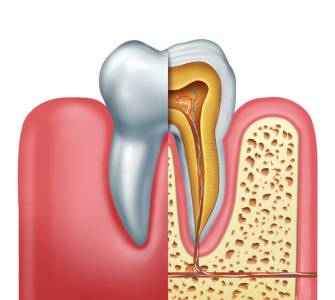
At its core, a root canal is a procedure to remove the inflamed or infected pulp (the soft tissue inside your tooth containing nerves and blood vessels) from the tooth's interior. After the pulp is removed, the inside of the tooth is carefully cleaned, disinfected, shaped, and then filled and sealed. Finally, a crown or other restoration is placed to protect the tooth and restore its full function.
When is RCT Needed? Signs & Symptoms
You might need a root canal if you experience any of the following symptoms, indicating that the pulp inside your tooth has become infected or damaged:
- Persistent or severe toothache: Especially pain that radiates or wakes you up at night.
- Prolonged sensitivity: To hot or cold temperatures, even after the source is removed.
- Swelling and tenderness: In the surrounding gums, jaw, or lymph nodes.
- Pimple-like bump (abscess) on the gums: Indicating pus drainage from an infection.
- Tooth discoloration: Darkening of the tooth.
- Pain when chewing or applying pressure.
- Deep decay, repeated dental procedures, cracks, or trauma that have exposed the pulp to bacteria.
Key Benefits of Choosing Root Canal Treatment
- Preserves Your Natural Tooth: The primary benefit is saving your tooth from extraction, maintaining your natural bite and smile.
- Eliminates Pain & Infection: RCT effectively removes the source of pain and clears the infection, preventing its spread to other teeth or areas of the body.
- Restores Chewing & Biting Function: Once restored with a crown, the treated tooth can function normally without pain or discomfort.
- Maintains Facial Structure: Losing a tooth can lead to bone loss and changes in facial structure. Saving your tooth helps prevent this.
- Prevents Shifting of Adjacent Teeth: An empty space from a missing tooth can cause surrounding teeth to drift, leading to bite problems.
- Highly Predictable & Long-Lasting: With proper care, a root canal-treated tooth can last a lifetime.
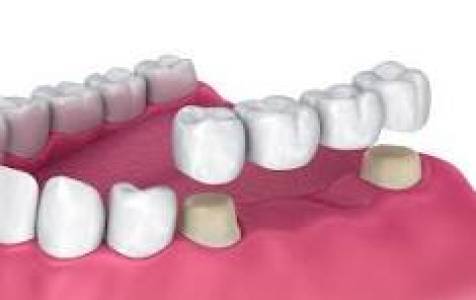
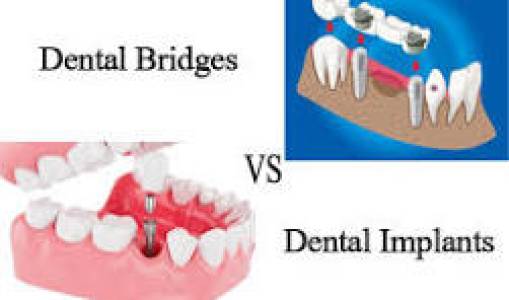
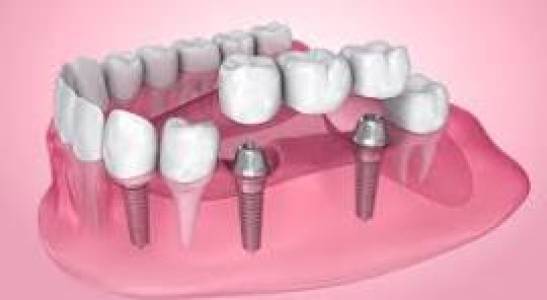
- A Cost-Effective Solution: Often more economical in the long run than tooth extraction followed by a bridge or dental implant.
The RCT Procedure: What to Expect
Modern root canal treatment is a precise and comfortable procedure, typically completed in one or two appointments.
- Diagnosis & Anesthesia: Your dentist will take X-rays and thoroughly examine the tooth. Local anesthetic will be administered to numb the tooth and surrounding area, ensuring you feel no pain during the procedure.
- Access Opening: A small opening is made in the top of the tooth to access the pulp chamber and root canals.
- Cleaning & Shaping: Tiny instruments are used to remove the infected pulp, clean the root canals, and shape them for filling.
- Disinfection: The canals are thoroughly disinfected to eliminate any remaining bacteria.
- Filling & Sealing: The cleaned canals are filled with a biocompatible material, usually gutta-percha, and sealed to prevent re-infection.
- Temporary Filling: A temporary filling is placed in the access opening.
- Final Restoration: In a subsequent visit, your dentist will remove the temporary filling and place a permanent restoration, typically a dental crown, to protect the treated tooth from future fracture and restore its full strength and appearance.
Post-Treatment Care & Recovery
- Mild Discomfort is Normal: It's common to experience some mild sensitivity or soreness for a few days after the procedure, especially while the treated area heals. This can usually be managed with over-the-counter pain relievers.
- Avoid Chewing: It's important to avoid chewing on the treated tooth until the permanent crown or restoration is placed to prevent damage.
- Good Oral Hygiene: Maintain your regular brushing and flossing routine.
- Follow-Up: Attend all scheduled follow-up appointments, especially for the placement of your permanent restoration.
Why Choose Us for Your Root Canal Treatment?
- Experienced & Compassionate Team: Our dentists are highly skilled in advanced endodontic techniques, ensuring a precise and comfortable experience.
- State-of-the-Art Technology: We utilize modern equipment, including digital X-rays and rotary instrumentation, for efficient and effective treatment.
- Patient Comfort is Our Priority: We strive to make your root canal experience as stress-free and pain-free as possible.
- Comprehensive Care: From diagnosis to final restoration, we provide complete care to ensure the long-term health of your treated tooth.
Don't Let Tooth Pain Control Your Life!
If you're experiencing symptoms of a tooth infection or have been advised to get a root canal, don't delay. Early treatment can prevent further complications and ensure the best outcome for your tooth.
Contact us today to schedule a consultation and discuss if Root Canal Treatment is the right solution for you!