Description
This product description frames "Tooth Extraction" as a professional dental service, detailing what it entails for a patient considering the procedure.
Professional Tooth Extraction Service
Expert & Gentle Tooth Removal: Your Path to Lasting Oral Health and Comfort
Tooth extraction, while often a last resort, is a common and necessary dental procedure performed to alleviate pain, prevent the spread of infection, or address other oral health issues. Our dedicated team provides compassionate, efficient, and professional tooth extraction services, ensuring your comfort and optimal recovery.
Overview
Tooth extraction is the removal of a tooth from its socket in the bone. It's recommended when a tooth is severely damaged, decayed, infected, or causing significant problems that cannot be resolved through other restorative treatments like fillings or root canals. Our practice prioritizes conservative treatments, but when extraction is the best course of action for your long-term oral health, you can trust our expertise.
Key Features & Benefits of Our Service
- Experienced Dental Professionals: Our dentists and oral surgeons are highly skilled in performing simple and surgical extractions with precision and care.
- Personalized Treatment Plans: Every patient's needs are unique. We conduct thorough examinations and discuss all viable options before recommending extraction, ensuring a tailored approach.
- Advanced Anesthesia & Comfort Options: We utilize local anesthesia to numb the extraction site, ensuring a pain-free procedure. Sedation options are also available for anxious patients or more complex cases.
- State-of-the-Art Technology: We employ modern dental equipment and techniques to ensure efficient and minimally invasive extractions.
- Comprehensive Post-Procedure Care: Detailed instructions and support are provided to facilitate a smooth and comfortable recovery, minimizing the risk of complications.
- Alleviate Pain & Discomfort: Effectively removes the source of severe toothache, infection, or chronic irritation.
- Prevent Further Complications: Stops the spread of infection, prevents damage to adjacent teeth, and resolves issues like impaction.
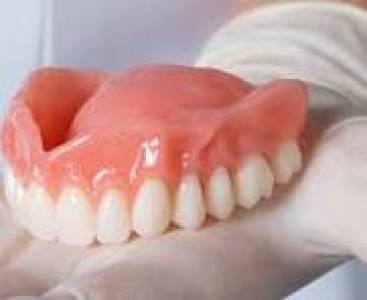
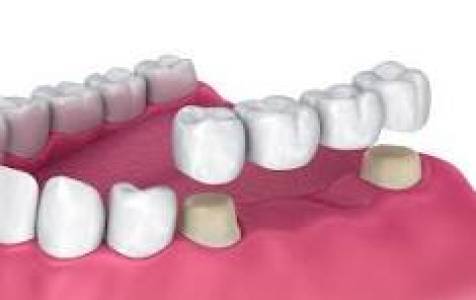
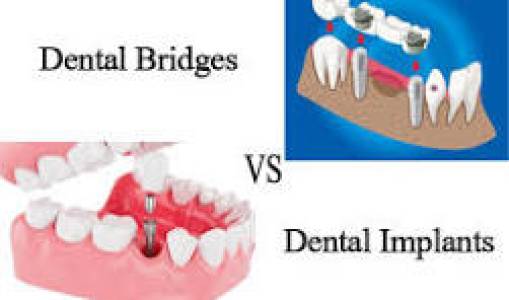
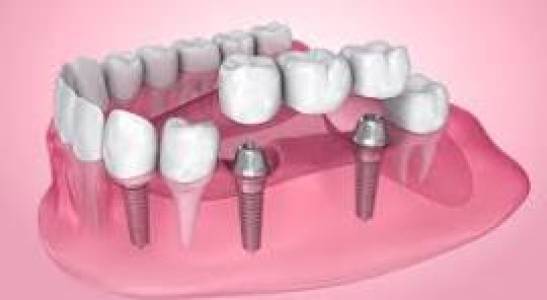
- Prepare for Restorative Dentistry: Creates necessary space for orthodontic treatment, dental implants, bridges, or dentures.
Who Might Benefit from Tooth Extraction?
You might require a tooth extraction if you experience:
- Severe Tooth Decay: When decay has progressed beyond the point where it can be repaired with a filling or root canal.
- Advanced Periodontal Disease: Gum disease that has severely damaged the supporting bone structure around a tooth, leading to looseness.
- Impacted Wisdom Teeth: Wisdom teeth that are trapped beneath the gum line or bone, causing pain, infection, or crowding.
- Dental Trauma: Teeth that are severely fractured or broken beyond repair.
- Orthodontic Needs: To create space in the mouth for teeth to shift into proper alignment during braces treatment.
- Dental Abscess/Infection: A deep infection that has not responded to root canal therapy or is too severe to treat.
- Overcrowding: When there are too many teeth in the mouth, leading to misalignment or discomfort.
The Extraction Process: What to Expect
- Comprehensive Examination & X-rays: We'll assess the tooth's condition, surrounding bone, and nerve pathways.
- Discussion of Options: We'll review your diagnosis, explain why extraction is recommended, and discuss alternative treatments if available.
- Anesthesia Administration: Local anesthetic will be applied to numb the tooth and surrounding tissues, ensuring you feel no pain during the procedure. Sedation options are available upon request.
- The Extraction:
- Simple Extraction: For visible teeth, the dentist will gently loosen the tooth with an elevator tool and then remove it with forceps.
- Surgical Extraction: For impacted, broken, or difficult-to-access teeth, a small incision in the gum tissue or removal of some bone may be necessary.
- Post-Extraction Care: Gauze will be placed over the site to control bleeding, and detailed post-operative instructions will be provided.
- Follow-Up: A follow-up appointment may be scheduled to monitor healing and discuss options for replacing the extracted tooth.
Preparing for Your Procedure
- Inform Us of Your Medical History: Provide a complete list of medications, allergies, and existing medical conditions (e.g., heart conditions, diabetes).
- Discuss Medications: We'll advise you on which medications to take or avoid before your appointment.
- Arrange Transportation: If you opt for sedation, you will need someone to drive you home.
- Follow Pre-Op Instructions: Adhere to any specific instructions regarding food or drink before your appointment.
Post-Extraction Care & Recovery
Proper aftercare is crucial for a smooth recovery and to prevent complications like dry socket.
- Bleeding Control: Bite down gently on gauze pads for 30-45 minutes, changing as needed until bleeding subsides.
- Pain Management: Take prescribed pain medication or over-the-counter pain relievers as directed.
- Swelling Reduction: Apply an ice pack to the cheek area for 15-20 minutes at a time, off for 20 minutes, for the first 24 hours.
- Diet: Stick to soft foods for the first few days (e.g., yogurt, soup, mashed potatoes). Gradually reintroduce normal foods as comfortable.
- Oral Hygiene: Avoid brushing the extraction site directly for 24 hours. After that, rinse gently with warm salt water (1/2 teaspoon salt in 8 oz water) after meals.
- Avoid:
- Smoking: Absolutely avoid for at least 72 hours, as it significantly increases dry socket risk.
- Drinking through a straw: The suction can dislodge the blood clot.
- Vigorous rinsing or spitting.
- Alcoholic beverages.
- Strenuous activity for 24-48 hours.
Potential Risks & Considerations
While generally safe, all surgical procedures carry some risks. These will be thoroughly discussed during your consultation:
- Dry Socket (Alveolar Osteitis): When the blood clot at the extraction site dislodges prematurely, exposing the bone.
- Infection: Though rare, infection can occur.
- Nerve Damage: Very rare, temporary or permanent numbness in the lip, chin, or tongue.
- Damage to Adjacent Teeth or Fillings: Unlikely with experienced professionals.
- Sinus Perforation: For upper molars, a small opening into the sinus cavity can occur.
- Prolonged Bleeding or Swelling.
Ready to Take the Next Step?
If you are experiencing tooth pain, suspect a problem, or have been advised to consider extraction, don't delay. Our compassionate team is here to guide you through every step of the process.
Schedule Your Consultation Today!
Important Disclaimer
This product description provides general information about tooth extraction services. It is not a substitute for professional medical or dental advice, diagnosis, or treatment. Individual results and recovery times may vary. Always consult with a qualified dental professional to discuss your specific condition and treatment options.