Description
Here's a detailed product description for Dental Crowns in Markdown format:
Premium Dental Crowns: Restore Your Smile, Strengthen Your Health
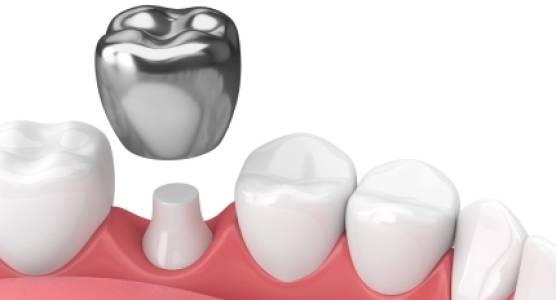
Dental crowns, often referred to as "caps," are custom-made restorations designed to encase the entire visible portion of a damaged or weakened tooth, right down to the gum line. They act as a new outer surface, restoring the tooth's shape, size, strength, and improving its appearance. Our state-of-the-art dental crowns are crafted with precision and personalized care to blend seamlessly with your natural teeth.
What are Dental Crowns?
A dental crown is a permanent prosthetic device that completely covers a damaged tooth or dental implant. It serves as a protective shield, reinforcing the tooth structure, preventing further damage, and restoring its full function and aesthetic appeal.
Why Choose a Dental Crown? The Benefits:
A dental crown offers a multitude of advantages for your oral health and aesthetics:
- Restore Strength & Function: Protects weak teeth from fracturing and restores the function of a severely worn down or damaged tooth.
- Enhance Aesthetics: Covers misshapen or severely discolored teeth, improving the overall appearance of your smile.
- Support Large Fillings: Holds together parts of a cracked tooth or provides support for teeth with large fillings where little natural tooth remains.
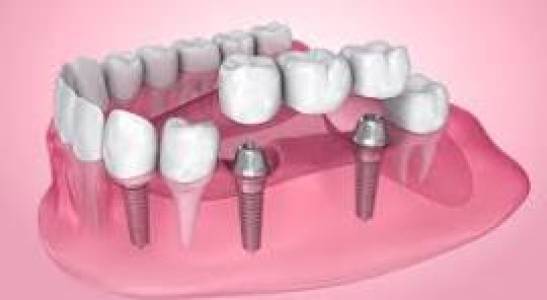
- Cover Dental Implants: Completes the restoration process for a dental implant, creating a natural-looking replacement tooth.
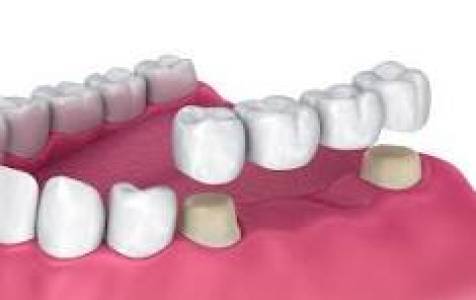
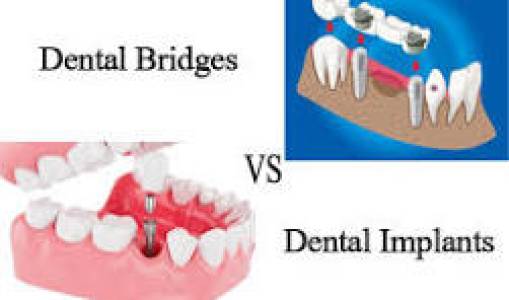
- Anchor Dental Bridges: Serves as an anchor for a dental bridge, holding artificial teeth in place.
- Cosmetic Enhancement: Corrects issues like gaps, uneven tooth length, or severe staining that whitening can't fix.
- Long-Lasting Solution: With proper care, crowns can last for many years, providing a durable and reliable restoration.
Types of Dental Crowns (Materials):
We offer a range of high-quality crown materials, each with unique advantages, to best suit your needs, aesthetic goals, and budget:
1. All-Ceramic/Porcelain Crowns
- Appearance: Highly aesthetic, mimicking the translucency and color of natural teeth. Ideal for front teeth where aesthetics are paramount.
- Benefits: Metal-free, biocompatible, excellent natural look, ideal for patients with metal allergies.
- Considerations: Can be more prone to chipping than metal or zirconia in high-stress areas.
2. Zirconia Crowns
- Appearance: Excellent aesthetics, stronger than traditional porcelain, and can be precisely matched to your natural tooth shade.
- Benefits: Extremely strong and durable, biocompatible, highly resistant to wear and tear, suitable for both front and back teeth.
- Considerations: Can be harder to adjust once cemented due to their strength.
3. E-max Crowns (Lithium Disilicate)
- Appearance: Known for their superior translucency and natural beauty, making them a top choice for highly visible teeth where both strength and aesthetics are desired.
- Benefits: Excellent strength-to-beauty ratio, highly durable, metal-free, and very biocompatible.
- Considerations: Best for single crowns or anterior bridges; not typically recommended for long posterior bridges in high-stress areas.
4. Porcelain-Fused-to-Metal (PFM) Crowns
- Appearance: Combines the strength of a metal substructure with the aesthetics of a porcelain overlay, offering a good balance.
- Benefits: Good balance of strength and aesthetics, often more affordable than all-ceramic, durable against biting forces.
- Considerations: A dark metal line might be visible at the gum line over time, and the porcelain layer can chip.
5. Gold or Metal Alloy Crowns
- Appearance: Distinctive metallic appearance (gold, nickel, chromium, palladium alloys), usually chosen for back molars where strength is paramount and visibility is low.
- Benefits: Exceptionally strong, highly durable, rarely chip or fracture, minimal tooth reduction required, highly biocompatible and gentle on opposing teeth.
- Considerations: Not aesthetically preferred for front teeth due to their color.
The Dental Crown Process:
Receiving a dental crown typically involves a few visits to our office:
- Consultation & Preparation: Your dentist will thoroughly examine the tooth, take X-rays, and prepare the tooth by reshaping it to make room for the crown.
- Impressions: Precise digital or physical molds of your prepared tooth and surrounding teeth will be taken to create a custom crown that fits perfectly.
- Temporary Crown: A temporary crown will be placed to protect your prepared tooth and maintain aesthetics while your permanent crown is expertly fabricated in a dental laboratory.
- Permanent Crown Placement: Once your custom crown arrives (usually within 1-2 weeks), we will check its fit, bite, and color before permanently bonding it to your tooth.
Care & Maintenance for Your Crown:
To ensure the longevity and effectiveness of your dental crown, follow these simple guidelines:
- Maintain excellent oral hygiene: Brush twice daily with fluoride toothpaste and floss once a day, paying special attention to the gum line around the crown.
- Visit your dentist regularly for routine check-ups and professional cleanings.
- Avoid chewing on excessively hard foods, ice, or non-food objects that could damage the crown.
- If you grind or clench your teeth (bruxism), a custom-made nightguard can protect your crown and natural teeth.
Durability & Lifespan:
With proper care and maintenance, dental crowns can last anywhere from 5 to 15 years, and often much longer. The lifespan depends on factors like the crown material chosen, your oral hygiene habits, dietary choices, and whether you receive regular dental check-ups.
Ready to Restore Your Smile?
If you have a damaged, weakened, or cosmetically imperfect tooth, a dental crown could be the ideal solution to restore its beauty, strength, and function. Contact us today to schedule a consultation. Our experienced team is dedicated to providing you with a strong, beautiful, and healthy smile through personalized, high-quality dental care.
Disclaimer: This information is for general educational purposes only and does not constitute medical advice. Please consult with a qualified dental professional for personalized recommendations and treatment plans.