Description
Root Canal Treatment (Endodontic Therapy)
"Preserve Your Natural Smile, Eliminate Pain."
Product Overview
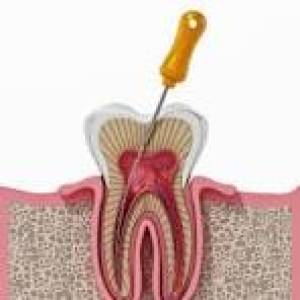
Root Canal Treatment, also known as Endodontic Therapy, is an essential dental procedure designed to save a severely damaged or infected tooth instead of extracting it. When the pulp inside a tooth – consisting of nerves, blood vessels, and connective tissue – becomes inflamed or infected due to deep decay, repeated dental procedures, cracks, or trauma, a root canal is often the most effective solution to alleviate pain and prevent further infection spread.
Our goal is to provide a comfortable, efficient, and successful root canal experience, allowing you to retain your natural tooth structure, maintain proper chewing function, and preserve the aesthetics of your smile for years to come.
Key Features & Benefits
- Exceptional Pain Relief: Eliminates the excruciating pain caused by infected or inflamed tooth pulp, often providing immediate relief after the procedure.
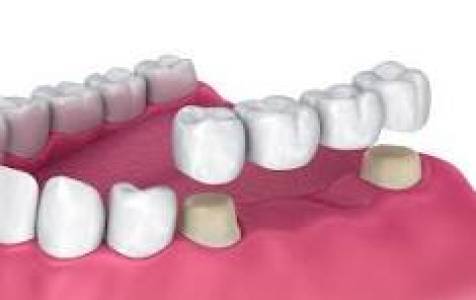
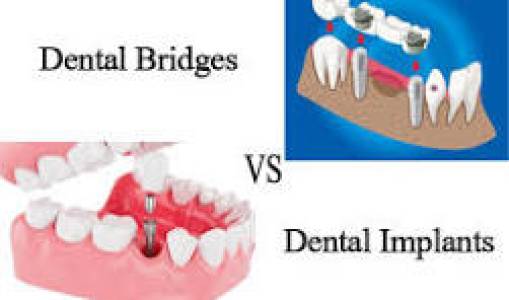
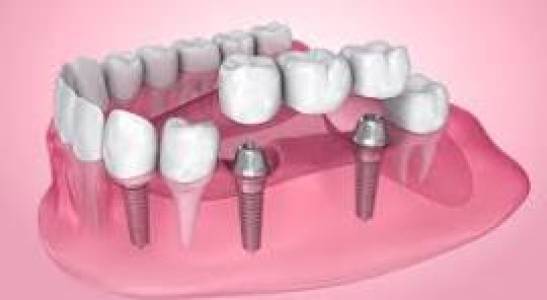
- Tooth Preservation: Saves your natural tooth, preventing the need for extraction and subsequent prosthetic solutions like bridges or implants.
- Prevents Spread of Infection: Removes bacteria and infected debris, stopping the infection from spreading to other teeth, gums, or even into the bloodstream.
- Maintains Natural Appearance: Keeping your natural tooth helps maintain your smile's original look and prevents shifting of adjacent teeth.
- Efficient & Comfortable Procedure: Performed under local anesthesia, modern root canal treatments are often no more uncomfortable than a standard filling.
- Long-Term Solution: With proper restoration (often a crown) and good oral hygiene, a treated tooth can last a lifetime.
- Restores Chewing Function: Allows you to chew normally again without pain or discomfort, improving overall oral health and digestion.
Indications for Root Canal Treatment (Who Needs It?)
You might be a candidate for a root canal if you experience any of the following symptoms:
- Persistent Tooth Pain: Ranging from mild to severe, often throbbing, and sometimes radiating to the jaw, ear, or head.
- Sensitivity to Hot and Cold: Lingering sensitivity, especially after the hot or cold stimulus is removed.
- Swelling and Tenderness: Swelling in the gums around the affected tooth, or tenderness when touching the tooth or surrounding gums.
- Pimple-Like Bump on the Gums: A recurring or persistent "pimple" (fistula) on the gums, which may indicate a draining infection.
- Deep Decay or Cracks: Extensive cavities or a fractured tooth that has exposed the pulp.
- Tooth Discoloration: Darkening or graying of a tooth, often indicating nerve damage or infection.
The Procedure: What to Expect
Root Canal Treatment is typically performed in one or two visits, depending on the complexity of the case and the extent of the infection.
- Diagnosis & Anesthesia: Your dentist will take X-rays to assess the extent of the damage and infection. Local anesthesia will be administered to numb the affected tooth and surrounding area, ensuring a pain-free procedure.
- Access Opening: A small opening is made on the biting surface of the back tooth or on the top of the front tooth to access the pulp chamber and root canals.
- Pulp Removal & Cleaning: The infected or damaged pulp is carefully removed using specialized instruments. The pulp chamber and root canals are then thoroughly cleaned, disinfected, and shaped to prepare them for filling.
- Filling & Sealing: The cleaned and shaped canals are filled with a biocompatible material, usually a rubber-like compound called gutta-percha, and sealed with an adhesive cement to prevent re-infection.
- Restoration (Crown): After the root canal, the tooth will need a permanent restoration to protect it from fracture and restore its full function. This typically involves placing a dental crown, which encases the entire tooth, providing strength and aesthetics.
Why Choose Root Canal Therapy Over Extraction?
- Superior to Extraction: Preserving your natural tooth is always the preferred option for oral health. Extraction can lead to shifting teeth, difficulty chewing, and requires more extensive and costly treatments like dental implants or bridges.
- Maintains Oral Health: Keeps your bite aligned, prevents bone loss in the jaw, and maintains the integrity of your overall oral structure.
- Cost-Effective Long-Term: While an initial investment, saving your natural tooth often proves more cost-effective over time compared to the cumulative costs of extraction, bone grafting (if needed), and subsequent tooth replacement options.
Post-Treatment Care & Expectations
- Temporary Sensitivity: It's normal to experience some mild sensitivity or discomfort for a few days after the procedure, which can be managed with over-the-counter pain relievers.
- Avoid Chewing Hard Foods: Until the permanent crown is placed, avoid chewing hard or sticky foods on the treated tooth to prevent fracture.
- Good Oral Hygiene: Continue regular brushing, flossing, and routine dental check-ups to maintain the health of your treated tooth and entire mouth.
- Follow-Up Appointments: Attend all scheduled follow-up appointments to ensure proper healing and timely placement of your permanent restoration.
Specifications & Success Rate
- Duration: Typically 1 to 2 visits, each lasting 60-90 minutes.
- Performed By: General Dentists or Endodontists (dental specialists in root canal therapy).
- Anesthesia: Local Anesthesia.
- Success Rate: Over 95% when performed correctly and followed by appropriate restoration.
- Recovery: Most patients can return to normal activities the day after the procedure.
Important Considerations
Root canal therapy is a highly successful and routine procedure. It's crucial to understand that the treatment itself relieves pain, rather than causes it. With modern techniques and anesthesia, the procedure is comfortable and often indistinguishable from a standard filling. The final restoration, usually a crown, is vital for the long-term success and protection of the treated tooth.
Don't Let Tooth Pain Compromise Your Health or Your Smile.
If you are experiencing persistent tooth pain, sensitivity, or any of the symptoms listed above, it's crucial to seek professional dental evaluation immediately. Early diagnosis and treatment can prevent further complications and significantly improve the prognosis for your tooth.
Consult with your dentist today to determine if Root Canal Treatment is the right solution for you and regain your comfort and confidence.
Disclaimer: This product description provides general information and is not a substitute for professional medical advice. Always consult with a qualified dental professional for diagnosis and treatment recommendations.