Description
Dental Crowns: Reclaim Your Smile's Strength & Beauty
✨ Introduction: The Royal Treatment for Your Tooth
A dental crown, often referred to as a "cap," is a custom-made, tooth-shaped covering that is placed over the entire surface of a damaged or weakened tooth. Think of it as a protective, natural-looking helmet that restores your tooth's original shape, size, strength, and appearance. Designed for durability and aesthetics, dental crowns are a cornerstone of restorative dentistry, helping you chew, speak, and smile with confidence again.
🎯 What Are Dental Crowns Used For? (Indications)
Dental crowns are incredibly versatile and recommended for a variety of dental concerns, including:
- Protecting a weak tooth from fracturing or holding together parts of a cracked tooth.
- Restoring an already broken tooth or a tooth severely worn down.
- Covering and supporting a tooth with a large filling when there isn't much tooth structure remaining.
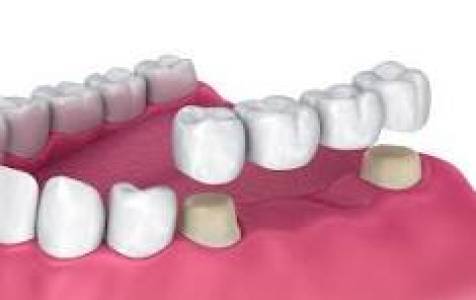
- Holding a dental bridge in place.
- Covering misshapen or severely discolored teeth for cosmetic enhancement.
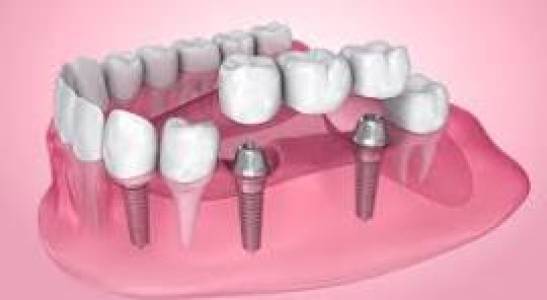
- Covering a dental implant.
- Restoring a tooth after a root canal procedure, which can leave the tooth brittle.
🌟 Key Benefits of Dental Crowns
Choosing a dental crown offers a multitude of advantages for your oral health and well-being:
- Enhanced Strength & Durability: Protects compromised teeth from further damage, extending their lifespan.
- Restored Functionality: Allows you to chew and speak comfortably and effectively, without pain or discomfort.
- Natural Aesthetics: Custom-matched to the color, shape, and size of your existing teeth for a seamless and beautiful smile.
- Long-Lasting Solution: With proper care, dental crowns can last 10-15 years or even longer.
- Improved Bite: Restores proper occlusion, preventing jaw pain and wear on other teeth.
- Confidence Boost: A healthy, beautiful smile can significantly improve self-esteem.
🛠️ Types of Dental Crowns
We offer a range of materials, each with unique benefits, to ensure the perfect fit for your specific needs and aesthetic preferences:
- All-Ceramic / All-Porcelain Crowns:
- Pros: Most natural-looking option, ideal for front teeth due to excellent translucency and color matching. Metal-free, suitable for patients with metal allergies.
- Cons: Can be less durable than metal or zirconia in high-stress areas.
- Porcelain-Fused-to-Metal (PFM) Crowns:
- Pros: Combines the strength of a metal base with the aesthetic appeal of a porcelain exterior. More durable than all-ceramic crowns.
- Cons: The metal beneath can sometimes show through as a dark line at the gum line over time.
- Zirconia Crowns:
- Pros: Exceptionally strong and durable, offering excellent resistance to chipping and cracking. Very aesthetic, with good translucency that mimics natural teeth. Biocompatible.
- Cons: Can be harder on opposing teeth if not polished properly.
- E-max® Crowns (Lithium Disilicate):
- Pros: A type of all-ceramic crown known for its superior strength (stronger than traditional porcelain) and outstanding aesthetics. Ideal for both front and back teeth where high aesthetics are desired.
- Cons: Can be more costly than other options.
- Metal Crowns (Gold Alloys, Nickel, Chromium):
- Pros: The strongest and most durable option, highly resistant to wear and fracture. Requires minimal tooth reduction. Excellent for back molars where aesthetics are less critical.
- Cons: Distinct metallic color, not aesthetically suitable for visible teeth.
🦷 The Dental Crown Procedure: What to Expect
The process of getting a dental crown typically involves two appointments:
- First Appointment (Preparation & Impressions):
- Your tooth will be thoroughly examined and X-rayed.
- Local anesthetic will be applied to ensure your comfort.
- The tooth will be reshaped to make room for the crown.
- Impressions (molds) of your prepared tooth and surrounding teeth will be taken (either digitally or with dental putty). These impressions are sent to a dental laboratory where your custom crown will be meticulously fabricated.
- A temporary crown will be placed to protect your tooth while your permanent crown is being made.
- Second Appointment (Crown Placement):
- Once your permanent crown arrives from the lab, your temporary crown will be removed.
- We will check the fit, bite, and color of your new crown to ensure it meets our high standards and your expectations.
- Once everything is perfect, the crown will be permanently bonded to your tooth using a strong dental cement.
- Final adjustments will be made as needed to ensure a comfortable and natural-feeling bite.
ดูแลรักษา Crown ของคุณให้ดี (Caring for Your Dental Crown)
With proper care, your dental crown can serve you well for many years:
- Maintain Excellent Oral Hygiene: Brush twice daily with a soft-bristled brush and fluoride toothpaste, and floss daily, paying special attention around the crown where the gum meets the tooth.
- Regular Dental Check-ups: Continue with your routine dental exams and professional cleanings every six months.
- Avoid Hard & Sticky Foods: While crowns are strong, try to avoid chewing on extremely hard foods (ice, hard candy) or very sticky foods (caramels) that could dislodge or damage your crown.
- Address Bruxism (Teeth Grinding): If you grind or clench your teeth, especially at night, we may recommend a nightguard to protect your crown and natural teeth.
Ready to restore the strength and beauty of your smile? Contact us today to schedule a consultation and find out if a dental crown is the right solution for you!