Description
Given the broad nature of "Implants," this description will cover the general characteristics and diverse applications of medical implants, designed for a professional audience (healthcare providers, medical institutions) and informed patients.
Implants: Restoring Function, Enhancing Life, Advancing Tomorrow
Product Category: Advanced Medical Devices Target Audience: Healthcare Professionals, Patients, Medical Institutions, Researchers
Table of Contents
- Overview
- Key Features & Innovations
- Diverse Applications & Types
- Benefits
- Materials & Manufacturing
- Safety & Regulatory Compliance
- Installation & Integration
- Maintenance & Longevity
- Target Market
- Why Choose Our Implants
- Important Considerations & Disclaimer
- Call to Action
1. Overview
Implants represent a revolutionary category of medical devices meticulously designed to be surgically inserted into the body to replace missing biological structures, support damaged structures, or enhance existing functions. From restoring the natural chewing ability to enabling hearing for the deaf, and even regulating critical bodily functions, implants are at the forefront of medical innovation, offering transformative solutions that significantly improve patients' quality of life.
Our comprehensive range of implants leverages cutting-edge material science, precision engineering, and extensive clinical research to ensure superior performance, biocompatibility, and long-term reliability. We are committed to providing healthcare professionals with the tools they need to deliver the best possible outcomes for their patients.
2. Key Features & Innovations
- Superior Biocompatibility: Engineered with advanced materials that minimize adverse reactions, promote tissue integration, and ensure long-term harmony with the human body.
- Exceptional Durability & Longevity: Designed to withstand the rigorous demands of physiological environments, providing years, and often decades, of reliable function.
- Precision Engineering & Customization: Utilizing state-of-the-art manufacturing processes (e.g., CAD/CAM, 3D printing) to create implants that offer precise fit, optimal function, and, where applicable, patient-specific customization.
- Advanced Material Science: Employing a range of high-performance materials including medical-grade titanium alloys, ceramics (e.g., zirconia), ultra-high molecular weight polyethylene (UHMWPE), silicone, and specialized polymers.
- Minimally Invasive Design (where applicable): Continuous innovation focuses on designs that facilitate less invasive surgical procedures, leading to reduced recovery times and improved patient comfort.
- Integrated Technologies: Incorporation of smart technologies, such as sensors, drug-delivery systems, and wireless connectivity, in select implant types for enhanced monitoring, therapy, and patient management.
3. Diverse Applications & Types
Implants span a vast spectrum of medical specialties, addressing a wide array of conditions:
3.1. Orthopedic Implants
- Joint Replacements: Hip, knee, shoulder, and ankle prostheses for individuals suffering from severe arthritis, injury, or degenerative joint disease.
- Spinal Implants: Spinal fusion cages, rods, screws, and artificial discs for stabilizing the spine, correcting deformities, and relieving pressure on nerves.
- Trauma Implants: Plates, screws, rods, and pins for fixing bone fractures and aiding in their healing process.
3.2. Dental Implants
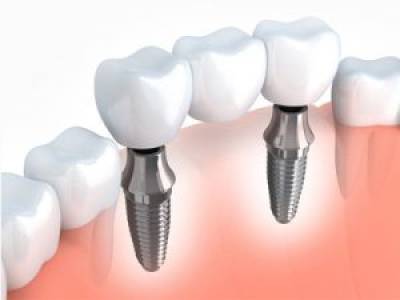
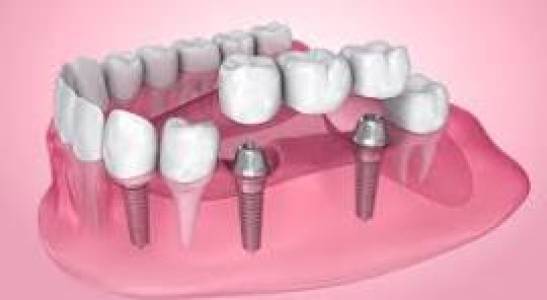
- Endosseous Implants: Titanium posts surgically placed into the jawbone to serve as stable anchors for crowns, bridges, or dentures, restoring natural chewing function and aesthetics.
- Subperiosteal Implants: Custom frameworks that fit on top of the jawbone under the gum tissue, used for patients with insufficient bone height.
3.3. Cardiovascular Implants
- Pacemakers & ICDs (Implantable Cardioverter-Defibrillators): Devices to regulate heart rhythm and deliver electrical pulses to correct life-threatening arrhythmias.
- Stents: Small mesh tubes inserted into arteries to open blockages and improve blood flow.
- Artificial Heart Valves: Replacements for diseased or damaged heart valves.
3.4. Sensory Implants
- Cochlear Implants: Electronic devices that provide a sense of sound to individuals with severe-to-profound hearing loss.
- Retinal Implants: Under development to restore partial vision for certain types of blindness.
3.5. Neurological Implants
- Deep Brain Stimulators (DBS): Electrodes implanted in the brain connected to a pulse generator to treat symptoms of Parkinson's disease, essential tremor, and other neurological conditions.
- Spinal Cord Stimulators: Devices to manage chronic pain by delivering mild electrical impulses to the spinal cord.
3.6. Cosmetic & Reconstructive Implants
- Breast Implants: Used for augmentation (cosmetic) or reconstruction after mastectomy (reconstructive).
- Facial Implants: Used to enhance contours of the chin, cheeks, or jawline.
3.7. Drug Delivery & Monitoring Implants
- Implantable Drug Pumps: Devices that deliver precise doses of medication directly to a specific site in the body over an extended period.
- Continuous Glucose Monitors (CGMs): Small sensors implanted under the skin to continuously monitor glucose levels.
4. Benefits
- Restored Function & Mobility: Enable patients to regain lost capabilities, from walking to chewing and hearing.
- Enhanced Quality of Life: Significantly improve daily living, independence, and overall well-being.
- Improved Aesthetics & Self-Confidence: Restore natural appearance and boost self-esteem.
- Long-Term Reliability: Offer durable solutions that often outlast other medical interventions.
- Pain Relief & Symptom Management: Effectively alleviate chronic pain and manage severe symptoms of various conditions.
- Disease Management & Prevention: In some cases, implants can prevent the progression of certain diseases or complications.
5. Materials & Manufacturing
Our implants are crafted using the highest quality, medical-grade materials, rigorously selected for their biocompatibility, strength, and corrosion resistance. These include:
- Metals: Titanium and its alloys (Ti-6Al-4V), cobalt-chrome alloys, stainless steel.
- Ceramics: Zirconia, alumina.
- Polymers: Ultra-high molecular weight polyethylene (UHMWPE), silicone, PEEK (Polyether ether ketone).
- Biologics: Decellularized tissues, growth factors (in some specialized applications).
Manufacturing takes place in ISO-certified cleanroom environments, employing advanced techniques such as:
- Precision machining
- Additive manufacturing (3D printing)
- Surface treatments (e.g., anodization, plasma spraying for enhanced osseointegration)
- Sterilization (e.g., gamma irradiation, ethylene oxide)
6. Safety & Regulatory Compliance
Patient safety is our paramount concern. All implants undergo:
- Rigorous Testing: Extensive pre-clinical and clinical trials to evaluate safety, efficacy, and performance.
- Adherence to Standards: Strict compliance with international regulatory bodies and quality standards, including FDA (U.S.), CE Mark (Europe), ISO 13485 (Medical Devices Quality Management), and relevant national health authorities.
- Post-Market Surveillance: Continuous monitoring and reporting programs to track long-term performance and identify any potential issues.
7. Installation & Integration
Implants require precise surgical placement by qualified and experienced healthcare professionals. The integration process varies:
- Osseointegration: For bone-anchored implants (e.g., dental, orthopedic), the implant fuses directly with the surrounding bone over time.
- Tissue Encapsulation: For other implants (e.g., breast, pacemakers), the body forms a fibrous capsule around the device. Successful integration is crucial for the long-term stability and function of the implant.
8. Maintenance & Longevity
- Longevity: While designed for long-term use (often decades), the lifespan of an implant can vary based on its type, patient activity levels, and overall health.
- Maintenance: Regular medical follow-ups, imaging, and specific care instructions are vital. For dental implants, meticulous oral hygiene is essential. For cardiovascular or neurological implants, routine device checks are required.
- Revisions: In some cases, implants may require revision surgery due to wear, loosening, infection, or changes in the patient's condition.
9. Target Market
- Healthcare Providers: Orthopedic surgeons, oral and maxillofacial surgeons, cardiologists, neurosurgeons, ENT specialists, plastic surgeons, general surgeons, dentists, and primary care physicians.
- Patients: Individuals suffering from bone and joint degeneration, tooth loss, heart rhythm disorders, hearing loss, chronic pain, and those seeking reconstructive or cosmetic enhancements.
- Medical Institutions: Hospitals, surgical centers, dental clinics, and specialized medical facilities.
- Researchers: Academic and clinical researchers exploring new implant technologies and applications.
10. Why Choose Our Implants
- Unwavering Commitment to Innovation: Continuously investing in R&D to bring forth the next generation of implant solutions.
- Clinical Efficacy & Proven Outcomes: Backed by extensive clinical data demonstrating superior patient results.
- Comprehensive Portfolio: A wide range of implants catering to diverse medical needs.
- Global Regulatory Excellence: Ensuring product availability and compliance worldwide.
- Dedicated Professional Support: Providing unparalleled education, training, and technical support to healthcare providers.
- Patient-Centric Philosophy: Every design decision and manufacturing process is geared towards improving patient lives.
11. Important Considerations & Disclaimer
- Implants are medical devices and require careful consideration.
- Consult with a qualified healthcare professional to determine if an implant is the right solution for your specific condition.
- All surgical procedures carry inherent risks. Potential complications associated with implants may include infection, allergic reactions, device malfunction, rejection, pain, or the need for revision surgery.
- Individual results may vary.
- This description is for informational purposes only and does not constitute medical advice.
12. Call to Action
To explore our comprehensive portfolio of advanced implant solutions, access clinical data, or speak with a product specialist, please:
- Visit our website: [YourCompanyWebsite.com/Implants]
- Contact our sales team: [Sales@YourCompany.com] or [Phone Number]
- Request a consultation: [Link to Consultation Form]
Innovating for Health, Restoring Futures.