Description
Here's a detailed product description for Dental Fillings in Markdown format:
Dental Fillings: Restore Your Smile, Protect Your Health
An Essential Solution for Tooth Decay and Damage
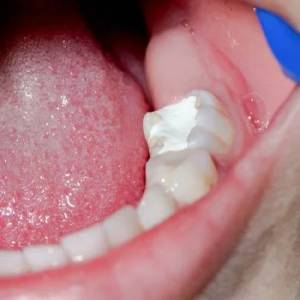
Dental fillings are a common and highly effective restorative treatment designed to repair teeth damaged by decay (cavities), cracks, or fractures. By filling in the affected area, they restore the tooth's functionality, prevent further decay, and can significantly improve its appearance. Whether you're experiencing pain, sensitivity, or simply need to address a persistent cavity, dental fillings offer a durable and aesthetic solution to bring your smile back to its best.
What Are Dental Fillings?
A dental filling is a material used to fill a hole, or cavity, in a tooth that has been caused by decay. After the decayed or damaged portion of the tooth is removed by your dentist, the space is meticulously cleaned and then filled with a chosen restorative material. This process stops the progression of decay, seals the tooth to prevent future bacteria invasion, and restores the tooth's original shape, strength, and function.
Why Might You Need a Dental Filling?
You might need a dental filling if you have:
- Cavities (Tooth Decay): The most common reason, where bacteria have created a hole in the tooth enamel.
- Chipped or Broken Teeth: Minor fractures or chips that expose the inner layers of the tooth.
- Worn Teeth: From teeth grinding (bruxism) or acidic erosion, leading to sensitivity or damage.
- Sensitivity: Persistent pain or discomfort when consuming hot, cold, or sweet foods/drinks.
- Replacing Old, Damaged Fillings: To remove old, worn-out, or compromised fillings and restore the tooth.
Types of Dental Fillings Available
We offer a range of filling materials, each with unique advantages. Your dentist will discuss the best option for your specific needs, considering factors like the location and size of the cavity, your budget, and aesthetic preferences.
1. Composite (Tooth-Colored) Fillings
- Description: Made from a mixture of plastic and finely ground glass particles, these fillings are designed to match the exact shade of your natural teeth, making them virtually invisible. They are bonded directly to the tooth structure.
- Key Features & Benefits:
- Aesthetic: Blends seamlessly with natural teeth.
- Conservative: Requires less tooth removal than amalgam fillings.
- Versatile: Can be used for small to medium-sized cavities in both front and back teeth.
- Bonds to Tooth: Provides support to the remaining tooth structure.
- Mercury-Free: A preferred choice for many patients concerned about mercury.
- Considerations: Can stain over time (similar to natural teeth), potentially less durable than amalgam for very large restorations in high-stress areas, generally more expensive than amalgam.
2. Amalgam (Silver) Fillings
- Description: A durable and traditional filling material composed of a mixture of metals, including mercury, silver, tin, and copper. They appear silver-gray.
- Key Features & Benefits:
- Strength & Durability: Exceptionally strong and long-lasting, ideal for large cavities in back teeth that endure heavy chewing forces.
- Cost-Effective: Generally the most affordable option.
- Longevity: Can last 10-15 years or even longer with proper care.
- Ease of Placement: Quick and straightforward for dentists to place.
- Considerations: Not aesthetically pleasing due to their silver color, can expand and contract with temperature changes (potentially leading to cracks over time), contains mercury (though deemed safe by the ADA, some patients prefer mercury-free options).
3. Gold Fillings
- Description: Custom-made in a laboratory from a gold alloy, then cemented into place. Gold fillings (inlays/onlays) are often considered the "gold standard" for durability.
- Key Features & Benefits:
- Superior Durability: Extremely long-lasting, often exceeding 15-20 years.
- Strength: Highly resistant to wear and corrosion.
- Biocompatible: Well-tolerated by gum tissues.
- Precise Fit: Laboratory fabrication ensures a perfect, custom fit.
- Considerations: Most expensive option, requires at least two dental visits, distinct metallic color is not aesthetic for many, can cause galvanic shock if next to an amalgam filling.
4. Porcelain/Ceramic Fillings (Inlays & Onlays)
- Description: These custom-made restorations are fabricated in a lab or chairside using advanced CAD/CAM technology, then bonded to the tooth. Inlays fit within the cusps of the tooth, while onlays cover one or more cusps.
- Key Features & Benefits:
- Exceptional Aesthetics: Can be precisely color-matched to natural teeth, offering superior translucency and luster.
- Durability: Very strong and highly resistant to staining and wear.
- Conservative: Helps preserve healthy tooth structure compared to full crowns.
- Biocompatible: Excellent tissue compatibility.
- Considerations: Similar to gold, requires at least two visits (unless using CAD/CAM), more expensive than composite or amalgam, can be brittle under extreme pressure.
5. Glass Ionomer Fillings
- Description: Made from an acrylic and fluoroaluminosilicate glass, these fillings can release fluoride, which helps protect the tooth from further decay.
- Key Features & Benefits:
- Fluoride Release: Provides ongoing cavity protection, especially beneficial for children and patients at high risk of decay.
- Biocompatible: Gentle on surrounding tissues.
- Bonding: Chemically bonds to the tooth structure.
- Considerations: Weaker and less durable than other materials, typically used for small, non-stress-bearing areas (e.g., near the gum line, primary teeth), less aesthetic than composite.
The Filling Procedure (What to Expect)
- Numbing: The dentist will numb the area around the affected tooth with a local anesthetic to ensure comfort.
- Decay Removal: Using a dental drill, the decayed or damaged portion of the tooth is carefully removed.
- Tooth Preparation: The cavity is thoroughly cleaned to remove bacteria and debris. For composite fillings, a conditioning liquid and bonding agent are applied.
- Filling Placement: The chosen filling material is applied in layers (for composite) or placed directly into the cavity, then carefully shaped to match the contours of your natural tooth.
- Curing & Polishing: For composite fillings, a special light is used to harden (cure) the material. The filling is then adjusted, trimmed, and polished to ensure a smooth surface and proper bite.
Benefits of Dental Fillings
- Stops Decay Progression: Eliminates bacteria and prevents further damage to the tooth.
- Restores Tooth Function: Allows you to chew and speak normally without discomfort.
- Alleviates Pain and Sensitivity: Protects the inner tooth from irritants.
- Prevents Further Complications: Reduces the risk of more severe problems like infection or tooth loss.
- Enhances Aesthetics: Tooth-colored options seamlessly blend with your natural smile.
Care and Maintenance for Your Fillings
To maximize the life of your dental fillings and maintain optimal oral health:
- Practice Excellent Oral Hygiene: Brush twice daily with fluoride toothpaste and floss once a day.
- Regular Dental Check-ups: Visit your dentist for routine examinations and cleanings as recommended.
- Avoid Chewing Hard Objects: Do not chew on ice, hard candies, or use your teeth as tools.
- Address Teeth Grinding: If you grind or clench your teeth, discuss a nightguard with your dentist.
- Be Mindful of Diet: Limit sugary and acidic foods and drinks that can contribute to decay.
Ready to Restore Your Smile?
If you suspect you have a cavity, are experiencing tooth pain, or simply want to learn more about the best filling options for you, don't wait. Early detection and treatment can prevent more extensive and costly dental problems down the road.
Contact us today to schedule a consultation with our experienced dental team! We are committed to providing you with personalized, high-quality care to help you achieve a healthy, beautiful, and lasting smile.
Disclaimer: This product description is for informational purposes only and does not constitute medical advice. Always consult with a qualified dental professional for diagnosis, treatment recommendations, and to determine the most appropriate filling material for your individual needs. Individual results may vary.