Description
Here's a detailed product description for Root Canal Treatment, formatted in Markdown:
Root Canal Treatment: Restore Your Oral Health & Save Your Natural Tooth
Often misunderstood, Root Canal Treatment (RCT) is a highly effective and common dental procedure designed to save a severely damaged or infected tooth rather than extracting it. By treating the infection within the tooth's pulp (the soft tissue containing nerves and blood vessels), RCT eliminates pain, preserves your natural tooth structure, and prevents the spread of infection to surrounding teeth and bone.
At [Your Practice Name], we combine advanced techniques, state-of-the-art technology, and a compassionate approach to make your root canal experience as comfortable and stress-free as possible.
What is a Root Canal?
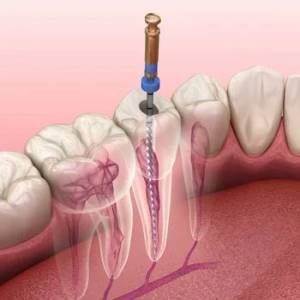
A root canal is a dental procedure that involves removing the infected or inflamed pulp from inside a tooth, cleaning and shaping the root canal system, and then filling and sealing the space. This process removes the source of infection and pain, allowing your natural tooth to remain in your mouth and function normally.
Key Features & Benefits:
- Pain Relief: Effectively eliminates the severe pain caused by an infected or inflamed tooth pulp.
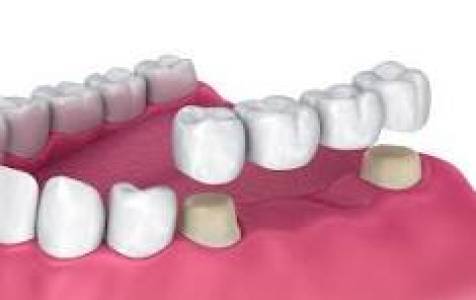
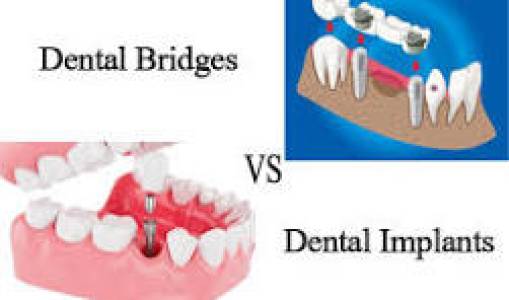
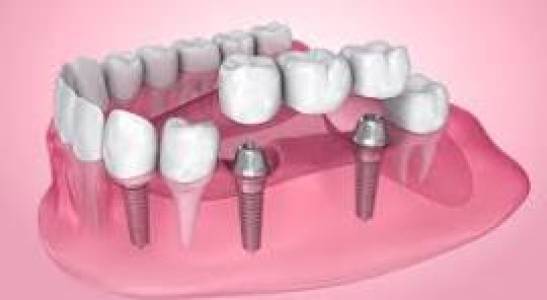
- Tooth Preservation: Saves your natural tooth, preventing the need for extraction, which can lead to shifting teeth, bite problems, and the need for more complex and costly restorations like implants or bridges.
- Prevents Infection Spread: Stops bacteria from spreading to other teeth, gums, and even into the bloodstream, protecting your overall health.
- Restores Function: Once treated and restored (often with a crown), your tooth can function normally for chewing and speaking, maintaining your natural bite.
- Long-Lasting Solution: With proper oral hygiene and regular dental check-ups, a root canal-treated tooth can last a lifetime.
- Comfortable Procedure: Modern techniques, local anesthetics, and sedation options (if desired) ensure the procedure is often no more uncomfortable than a standard filling.
Who Needs Root Canal Treatment? (Indications)
You might need a root canal if you experience any of the following symptoms:
- Persistent Toothache: Ranging from mild to severe, constant or intermittent pain.
- Sensitivity to Hot and Cold: Lingering sensitivity, especially after the hot or cold stimulus is removed.
- Swelling or Tenderness in the Gums: Near the affected tooth.
- Pimples on the Gums: A "pimple" or recurring boil on the gums, indicating an abscess.
- Tooth Discoloration: Darkening of the tooth.
- Pain When Chewing or Applying Pressure: Especially when biting down.
- Chipped or Cracked Tooth: Leading to pulp exposure and infection.
- Deep Decay: That has reached the pulp chamber.
The Root Canal Process (Simplified Steps):
- Diagnosis & Anesthesia: We begin with a thorough examination, X-rays, and diagnostic tests. The area around the affected tooth is then numbed with local anesthetic.
- Access Opening: A small opening is made in the crown of the tooth to access the pulp chamber and root canals.
- Pulp Removal: The infected or inflamed pulp is carefully removed from the pulp chamber and root canals using specialized instruments.
- Cleaning & Shaping: The root canals are thoroughly cleaned, disinfected, and shaped to prepare them for filling.
- Filling & Sealing: The cleaned and shaped canals are filled with a biocompatible, rubber-like material called gutta-percha and sealed to prevent re-infection.
- Temporary Restoration: A temporary filling is placed to seal the access opening.
- Permanent Restoration: In most cases, a permanent crown is recommended after a root canal to protect the treated tooth from fracture and restore its full function and appearance. This is typically done in a follow-up appointment.
Why Choose [Your Practice Name] for Your Root Canal?
- Experienced & Skilled Dentists/Endodontists: Our team has extensive training and experience in performing precise and effective root canal treatments.
- Advanced Technology: We utilize cutting-edge equipment, including digital X-rays, 3D imaging (CBCT scans), rotary endodontics, and dental microscopes, for enhanced accuracy and efficiency.
- Patient-Centered Comfort: We prioritize your comfort with amenities, gentle techniques, and options for sedation dentistry to help ease any anxiety.
- Personalized Treatment Plans: Every patient is unique. We tailor our treatment plans to your specific needs and oral health goals.
- Strict Sterilization Protocols: Your safety is paramount. We adhere to the highest standards of sterilization and infection control.
What to Expect After Your Root Canal:
It's normal to experience some mild sensitivity or discomfort for a few days after the procedure, especially as the anesthetic wears off. This can typically be managed with over-the-counter pain relievers. Avoid chewing on the treated tooth until your permanent restoration (crown) is in place to prevent damage. We will provide detailed aftercare instructions to ensure a smooth recovery.
Ready to Find Relief and Save Your Tooth?
Don't let dental pain dictate your life. If you're experiencing symptoms of a tooth infection or have been told you need a root canal, contact us today for a comprehensive consultation. We're here to answer your questions and provide the gentle, effective care you deserve.
- Phone: [Your Phone Number]
- Website: [Your Website]
- Address: [Your Clinic Address]
- Email: [Your Email Address]