Root Canal Treatments

      Description


      This detailed product description is designed to inform and reassure patients about Root Canal Treatment, addressing common concerns and highlighting its benefits.

      Root Canal Treatment: Preserving Your Natural Smile and Eliminating Pain

      Relieve Pain, Save Your Tooth: Understanding Root Canal Treatment

      Experiencing severe toothache, prolonged sensitivity, or noticing swelling around a tooth? You might be a candidate for Root Canal Treatment (RCT). Often misunderstood, a root canal is a highly effective, virtually painless procedure designed to save a tooth that has become infected or severely damaged, preventing extraction and restoring your oral health.

      At [Your Clinic Name/Practice Name], we specialize in providing gentle, efficient, and comprehensive root canal treatments. Our goal is to alleviate your pain, eliminate infection, and preserve your natural tooth, helping you maintain a healthy, beautiful smile for years to come.

      What is Root Canal Treatment (RCT)?

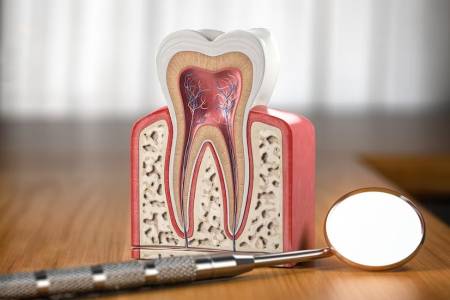
      Root Canal Treatment is an advanced dental procedure that addresses issues within the "pulp" – the soft tissue inside your tooth containing nerves, blood vessels, and connective tissue. When this pulp becomes infected or inflamed due due to deep decay, cracks, or trauma, it can cause severe pain and lead to an abscess if left untreated.

      During a root canal, our skilled dentists carefully remove the infected or inflamed pulp, meticulously clean and shape the inside of the root canal, and then fill and seal the space to prevent further infection. This process effectively removes the source of pain and infection, allowing your tooth to remain a functional part of your mouth.

      Do You Need a Root Canal? Common Symptoms and Causes:

      Identifying the signs early can prevent more complex issues. Consider a consultation if you experience any of the following:

      • Persistent Tooth Pain: Ranging from mild to severe, often throbbing, and can radiate to your jaw, ear, or head.
      • Sensitivity to Hot and Cold: Lingering sensitivity even after the stimulus is removed.
      • Swollen or Tender Gums: Around the affected tooth.
      • Pimple-like Bump on the Gums (Abscess): Indicating a pus-filled infection.
      • Tooth Discoloration: Darkening of the tooth, especially compared to surrounding teeth.
      • Deep Decay or Repeated Dental Procedures: Leading to pulp exposure or irritation.
      • Chipped or Cracked Tooth: Allowing bacteria to enter the pulp.
      • Trauma to the Tooth: Even if there's no visible crack or chip.

      The Advantages of Choosing a Root Canal:

      Opting for a root canal treatment offers numerous benefits over extraction:

      • Effective Pain Relief: Eliminates the excruciating pain caused by infected or inflamed pulp.
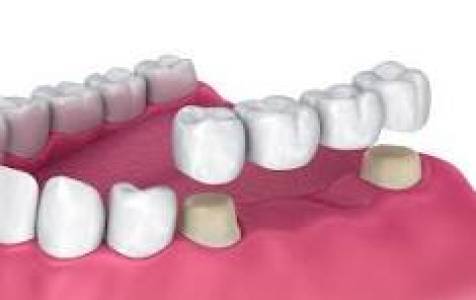
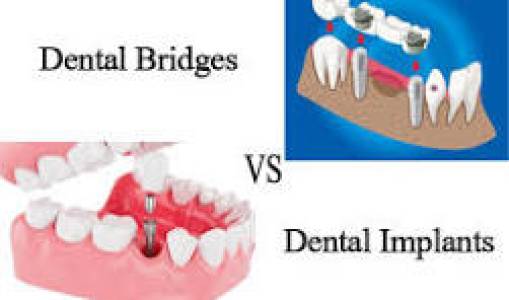
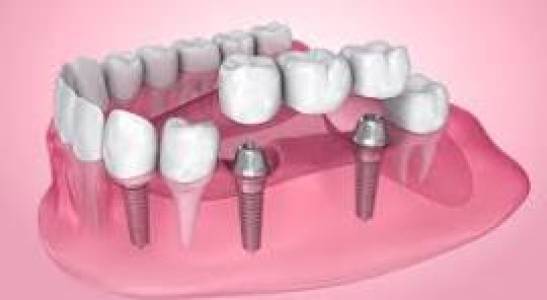
      • Preserves Your Natural Tooth: Keeps your natural tooth in place, preventing the need for bridges or dental implants, which can be more costly and invasive.
      • Prevents Infection Spread: Stops the infection from spreading to other teeth, gums, or even into the bloodstream, which can impact overall health.
      • Maintains Oral Function: Allows you to chew efficiently and speak naturally.
      • Esthetic Outcome: A successfully treated and restored tooth looks and feels like your natural teeth, maintaining the integrity of your smile.
      • Cost-Effective Long-Term: While there's an initial cost, preserving your natural tooth can be more economical in the long run compared to tooth replacement options.

      Your Root Canal Treatment Journey: What to Expect:

      Our team is dedicated to making your root canal experience as comfortable and stress-free as possible. The procedure typically involves a few key steps:

      1. Diagnosis and Anesthesia: We begin with a thorough examination, including X-rays, to confirm the diagnosis. Local anesthesia is then administered to numb the tooth and surrounding area, ensuring you feel no pain during the procedure.
      2. Access Opening: A small opening is made in the crown of the tooth to access the pulp chamber and root canals.
      3. Cleaning and Shaping: Using specialized instruments, the infected or inflamed pulp is carefully removed. The root canals are then meticulously cleaned, disinfected, and shaped to prepare them for filling.
      4. Filling and Sealing: Once cleaned and disinfected, the root canals are filled with a biocompatible material called gutta-percha and sealed with a dental adhesive to prevent reinfection.
      5. Restoration: After the root canal is completed, a temporary filling is placed to protect the tooth. In most cases, a permanent crown or filling will be needed in a follow-up appointment to fully restore the tooth's strength, function, and appearance.

      Aftercare and Recovery:

      Mild discomfort or sensitivity for a few days after the procedure is normal and can typically be managed with over-the-counter pain relievers. We will provide detailed aftercare instructions, which generally include:

      • Avoid Chewing: On the treated tooth until your permanent restoration is placed.
      • Maintain Oral Hygiene: Continue brushing and flossing regularly.
      • Follow-up Appointments: Attend all scheduled follow-up appointments, especially for the placement of your permanent crown or filling.

      With proper care and good oral hygiene, a tooth treated with a root canal can last a lifetime.

      Why Choose Our Practice for Your Root Canal Treatment?

      • Experienced Dental Professionals: Our team has extensive experience and advanced training in endodontic procedures, ensuring precise and effective treatment.
      • Advanced Technology: We utilize state-of-the-art dental technology, including digital X-rays and specialized instruments, for accurate diagnosis and successful outcomes.
      • Patient-Centered Care: Your comfort and well-being are our top priorities. We take the time to explain every step, answer your questions, and tailor treatment to your individual needs.
      • Comfort-Focused Environment: We strive to create a relaxing atmosphere, offering amenities and sedation options to help ease any anxiety you may have.

      Don't Let Tooth Pain Control Your Life!

      If you're experiencing symptoms of an infected tooth, don't delay seeking professional help. Early intervention can prevent further complications and ensure the best possible outcome for your oral health.

      Contact [Your Clinic Name] today to schedule your consultation and learn more about how root canal treatment can alleviate your pain and save your smile.

      📞 [Your Phone Number] 📧 [Your Email Address] 🌐 [Your Website Link] 📍 [Your Clinic Address]

      Frequently Asked Questions (FAQs):

      Q: Is a root canal painful? A: With modern anesthesia techniques, a root canal is typically no more uncomfortable than getting a standard filling. The goal of the procedure is to relieve pain, not cause it.

      Q: How long does a root canal treatment take? A: A single root canal appointment usually takes between 60 to 90 minutes, depending on the complexity of the tooth. Some complex cases may require two appointments.

      Q: Do I always need a crown after a root canal? A: In most cases, yes. Root canal-treated teeth can become more brittle and prone to fracture. A dental crown provides essential protection, restoring the tooth's strength and function.

      Q: What is an Endodontist? A: An endodontist is a dental specialist who has undergone an additional two to three years of specialized training in diagnosing and treating problems associated with the tooth pulp and root tissue. While general dentists can perform root canals, complex cases are often referred to an endodontist.

      Q: What if I don't get a root canal? A: If an infected tooth is left untreated, the infection can spread, leading to a more severe abscess, bone loss in the jaw, and even systemic health issues. The only alternative to a root canal for an infected tooth is extraction, which then requires replacing the missing tooth.

      Disclaimer: This information is for educational purposes only and should not be considered medical advice. Always consult with a qualified dental professional for diagnosis and treatment recommendations tailored to your specific needs.

      Tags: Root Canal Treatments