Description
Here's a detailed product description for Root Canal Treatment, formatted in Markdown:
Root Canal Treatment (Endodontic Therapy)
Restore Your Smile, Eliminate Pain, Save Your Natural Tooth
Are you experiencing persistent tooth pain, sensitivity to hot or cold, or swelling around a tooth? These could be signs of an infection or inflammation deep within your tooth's pulp – the soft tissue containing nerves and blood vessels. Left untreated, this can lead to severe pain, abscess formation, and even tooth loss.
Root Canal Treatment (RCT), also known as Endodontic Therapy, is a highly effective and routine dental procedure designed to save a tooth that would otherwise need to be extracted. Despite its outdated reputation, modern root canal treatments are virtually pain-free, often no more uncomfortable than a routine filling, and can provide lasting relief and preserve your natural smile.
What is Root Canal Treatment?
Root Canal Treatment is a specialized procedure to remove infected or inflamed pulp from inside your tooth. The process involves:
- Cleaning: The infected or damaged pulp is carefully removed from the pulp chamber and root canals.
- Shaping: The inside of the root canals are meticulously cleaned, disinfected, and shaped to prepare them for filling.
- Filling & Sealing: The cleaned canals are then filled with a biocompatible material, usually gutta-percha, and sealed to prevent future infection.
- Restoration: The treated tooth is then restored, typically with a filling or a crown, to protect it and return it to full function.
Why is Root Canal Treatment Necessary?
Root canal therapy is essential when the tooth's pulp becomes infected or inflamed due to:
- Deep Decay: Untreated cavities can penetrate deep into the tooth, reaching the pulp.
- Repeated Dental Procedures: Multiple dental treatments on the same tooth can irritate the pulp.
- Cracked or Chipped Tooth: Fractures can expose the pulp to bacteria.
- Trauma: A blow to the tooth, even without visible damage, can injure the pulp.
Benefits of Root Canal Treatment:
- Relieves Pain: Eliminates the source of infection and inflammation, providing immediate and lasting relief from severe toothache.
- Saves Your Natural Tooth: Preserves your original tooth, preventing the need for extraction and maintaining your natural bite and alignment.
- Prevents Spread of Infection: Stops the infection from spreading to surrounding teeth, gums, and other parts of your body.
- Restores Oral Health: Allows you to chew efficiently and feel the normal sensations of your natural teeth.
- Maintains Facial Structure: Prevents the shifting of other teeth and bone loss that can occur after tooth extraction.
- Cost-Effective Long-Term: Often a more economical solution than tooth extraction followed by a bridge or dental implant.
Signs You Might Need a Root Canal:
If you experience any of the following symptoms, it's crucial to schedule a dental consultation immediately:
- Persistent, Severe Toothache: Pain that doesn't go away, often throbbing or aching, and may worsen at night or when lying down.
- Prolonged Sensitivity: Sensitivity to hot or cold temperatures that lingers even after the stimulus is removed.
- Swelling and Tenderness: Swelling in the gums around the affected tooth, or tenderness when chewing or touching the tooth.
- Pimple-Like Bump on Gums: A recurring or persistent "pimple" on the gums (a fistula) indicating an infection draining.
- Discoloration of the Tooth: The affected tooth may darken or become grayish.
- Pain When Chewing or Biting: Discomfort or sharp pain when putting pressure on the tooth.
The Root Canal Procedure: What to Expect
The procedure typically requires one or two appointments, depending on the severity of the infection and the complexity of the tooth.
1. Diagnosis and Anesthesia
We begin with a thorough examination, including X-rays, to assess the extent of the infection. Local anesthesia will be administered to completely numb the tooth and surrounding area, ensuring a pain-free experience.
2. Isolation
A small sheet of rubber dam is placed around the tooth to isolate it, keeping it clean and free of saliva during the procedure.
3. Access Opening
A small opening is created through the crown of the tooth to access the pulp chamber and root canals.
4. Cleaning and Shaping
Using specialized instruments (files), the infected pulp, bacteria, and debris are carefully removed from the canals. The canals are then cleaned, disinfected, and shaped to ensure all diseased tissue is eliminated.
5. Filling and Sealing
Once the canals are thoroughly cleaned and disinfected, they are filled with a biocompatible, rubber-like material called gutta-percha, which is sealed with an adhesive cement to prevent re-infection.
6. Restoration
A temporary filling is placed to seal the access opening. In most cases, a permanent crown will be recommended to protect the treated tooth from fracture and restore its full function and appearance. This final restoration is crucial for the long-term success of the root canal.
Post-Treatment Care & Recovery
- Mild Discomfort: It's normal to experience some mild tenderness or sensitivity for a few days after the procedure, especially while the healing process begins. Over-the-counter pain relievers can help manage any discomfort.
- Avoid Chewing: Avoid chewing on the treated tooth until your permanent restoration (crown) is in place, to prevent fracture.
- Oral Hygiene: Maintain excellent oral hygiene with regular brushing and flossing.
- Follow-Up: Attend your follow-up appointments, especially for the placement of your permanent crown.
- Contact Us: If you experience severe pain, swelling, or have any concerns, please contact our office immediately.
Addressing Common Concerns
- "Are Root Canals Painful?" Modern root canal treatments are performed with effective local anesthesia, making the procedure itself virtually pain-free. The goal of the treatment is to relieve your existing pain, not cause more.
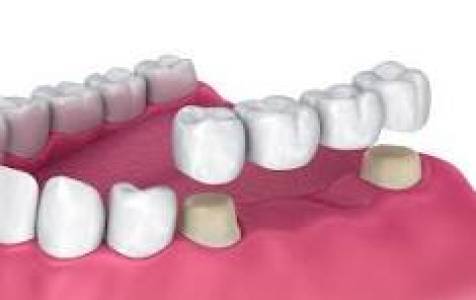
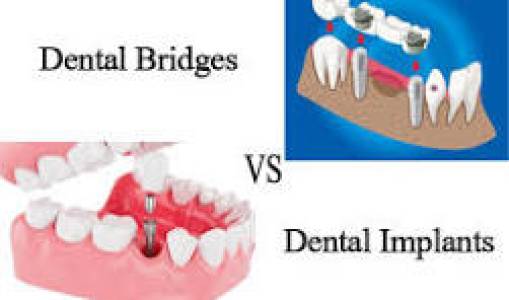
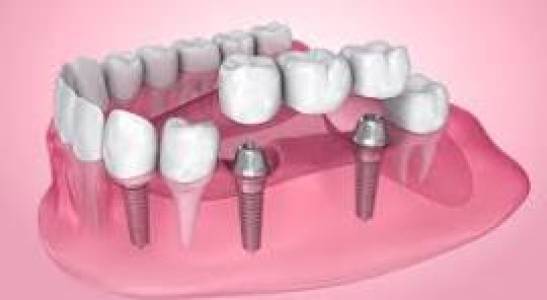
- "Is Extraction a Better Option?" Saving your natural tooth is almost always the best option. An extracted tooth requires replacement with an implant or bridge, which can be more costly, time-consuming, and may not offer the same natural feel as your own tooth.
- "How Long Does it Last?" With proper care and a good final restoration (crown), a root canal-treated tooth can last a lifetime.
Why Choose [Your Clinic Name] for Your Root Canal?
At [Your Clinic Name], we understand that dental procedures can be daunting. Our commitment to your comfort and well-being sets us apart:
- Experienced Dentists/Endodontists: Our highly skilled team has extensive experience in performing successful root canal treatments.
- Advanced Technology: We utilize state-of-the-art equipment and techniques for precise diagnosis and effective treatment.
- Gentle & Compassionate Care: We prioritize your comfort, offering a relaxing environment and options to manage anxiety.
- Clear Communication: We'll explain every step of the process, ensuring you are fully informed and confident in your treatment plan.
- Patient-Centered Approach: Your health and comfort are our top priorities throughout your treatment journey.
Cost & Insurance
The cost of root canal treatment varies depending on the tooth's location (front, premolar, or molar), the complexity of the canals, and whether a crown is included. We accept most major dental insurance plans and will help you understand your benefits. Our team will provide a detailed treatment plan and discuss financing options during your consultation.
Ready to Get Relief?
Don't let tooth pain control your life. If you suspect you may need a root canal, or if you're experiencing any concerning dental symptoms, don't delay.
Contact [Your Clinic Name] today to schedule your consultation and take the first step towards a healthy, pain-free smile.
Call Us: [Your Clinic Phone Number]
Book Online: [Link to Online Appointment Booking]
Visit Us: [Your Clinic Address]