Description
Root Canal Therapy: Save Your Smile, End the Pain
Overview
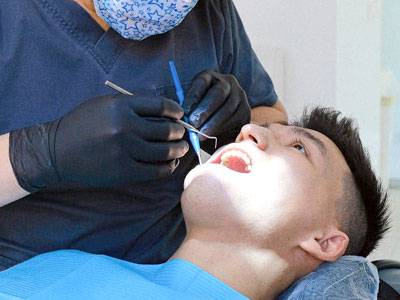
Root Canal Therapy (also known as Endodontic Treatment) is a highly effective, common dental procedure designed to save a severely damaged or infected tooth. When the soft tissue inside your tooth (the pulp) becomes inflamed or infected due to deep decay, repeated dental procedures, cracks, or trauma, a root canal is often the best course of action to relieve pain, prevent the spread of infection, and preserve your natural tooth.
Don't let myths about root canals deter you. Modern endodontic techniques, advanced anesthetics, and skilled practitioners ensure that the procedure is typically no more uncomfortable than getting a standard filling, and often provides immediate relief from severe pain.
Why Consider Root Canal Therapy?
Choosing root canal therapy offers numerous significant benefits:
- Immediate Pain Relief: Eliminates the source of the infection and inflammation, providing dramatic relief from severe toothache and sensitivity.
- Preserve Your Natural Tooth: Instead of extraction, a root canal allows you to keep your natural tooth, which is always the best option for maintaining proper chewing function, speech, and the alignment of surrounding teeth.
- Prevent Further Infection: Cleanses the internal structures of the tooth, preventing bacteria from spreading to adjacent teeth, gums, and even into the bloodstream.
- Maintain Oral Health & Function: A saved tooth continues to function normally, allowing you to chew efficiently and maintain your natural smile.
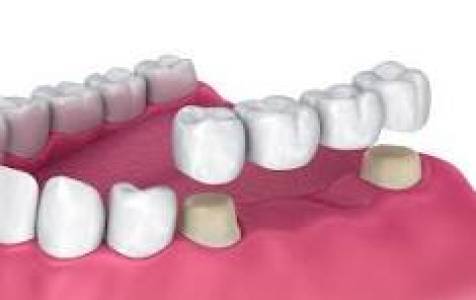
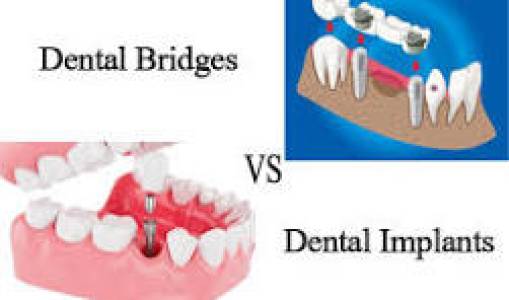
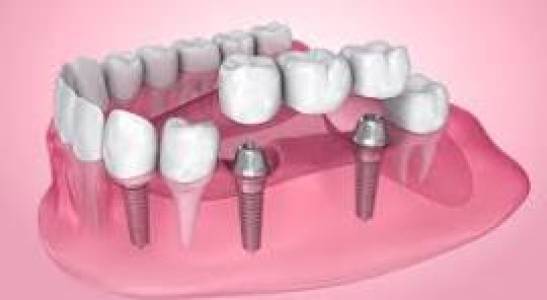
- Cost-Effective Long-Term Solution: While extraction might seem cheaper initially, replacing a missing tooth with an implant, bridge, or partial denture can be more expensive and complex in the long run.
The Root Canal Process: What to Expect
Root canal therapy is typically performed in one or two visits and follows a well-defined sequence:
- Anesthesia & Isolation: The affected tooth and surrounding area are completely numbed with local anesthetic. A dental dam (a small sheet of latex or non-latex material) is placed around the tooth to keep it dry and free from saliva during the procedure.
- Access & Cleaning: A small opening is made in the crown of the tooth to access the pulp chamber and root canals. Specialized instruments are then used to carefully remove the infected or inflamed pulp tissue.
- Cleaning & Shaping: The root canals are thoroughly cleaned, disinfected, and meticulously shaped to prepare them for filling. This step ensures all bacteria and debris are removed.
- Filling & Sealing: Once cleaned and shaped, the canals are filled with a biocompatible, rubber-like material called gutta-percha. This material is typically sealed in place with an adhesive cement to prevent reinfection.
- Final Restoration: A temporary filling is placed in the access opening. In most cases, a dental crown is recommended after root canal therapy to protect the treated tooth from fracture and restore its full function and appearance. This final restoration is crucial for the long-term success of the treatment.
When Is Root Canal Therapy Recommended?
You might be a candidate for root canal therapy if you experience any of the following symptoms:
- Persistent toothache: Especially pain that radiates and is severe.
- Prolonged sensitivity to hot or cold: Lingering pain after exposure to temperature.
- Swelling and tenderness in the surrounding gums: A sign of infection.
- A "pimple" on the gums: Indicates pus drainage from an infected tooth.
- Discoloration of the tooth: Darkening of the tooth, often due to pulp death.
- Pain when chewing or applying pressure.
- Deep decay or injury to the tooth.
Post-Treatment Care & Expectations
After your root canal procedure, it's normal to experience some temporary sensitivity or mild discomfort, which can usually be managed with over-the-counter pain relievers.
- Avoid Chewing: Try to avoid chewing on the treated tooth until your final restoration (e.g., a crown) is placed to prevent potential fracture.
- Maintain Oral Hygiene: Continue to brush and floss regularly to keep your teeth and gums healthy.
- Follow-Up: It's essential to return for your final crown or permanent filling as recommended by your dentist or endodontist. This step completes the treatment and provides crucial protection for your tooth.
With proper care, a tooth treated with root canal therapy can last a lifetime.
Ready to End Your Discomfort?
If you're experiencing any symptoms of a deep infection or severe tooth pain, don't delay seeking professional dental care. Root Canal Therapy can provide immediate relief and save your natural tooth, preserving your smile and oral health for years to come.
Contact us today to schedule a consultation and discuss if Root Canal Therapy is the right solution for you. We're here to answer your questions and guide you through a comfortable and effective treatment process.
Disclaimer: This product description is for informational purposes only and does not constitute medical advice. Please consult with a qualified dental professional to diagnose and treat any dental conditions. Individual results may vary.