Description
Root Canal Therapy: Restore Your Oral Health, Preserve Your Smile
Say Goodbye to Dental Pain & Hello to Lasting Comfort
Are you experiencing persistent tooth pain, sensitivity, or swelling that's disrupting your daily life? You might be a candidate for Root Canal Therapy, also known as Endodontic Treatment. This highly effective and common procedure is designed to save a damaged or infected tooth, alleviate pain, and prevent the spread of infection, allowing you to maintain your natural smile for years to come.
What is a Root Canal?
At its core, a root canal is a dental procedure that removes the infected or inflamed pulp (the soft tissue inside your tooth containing nerves, blood vessels, and connective tissue). Once the damaged pulp is removed, the inside of the tooth is carefully cleaned, disinfected, shaped, and then filled and sealed. Finally, a crown or other restoration is placed to protect the tooth and restore it to full function.
Key Benefits of Root Canal Therapy:
- Exceptional Pain Relief: Eliminates the source of your severe toothache, allowing you to eat, sleep, and live comfortably again.
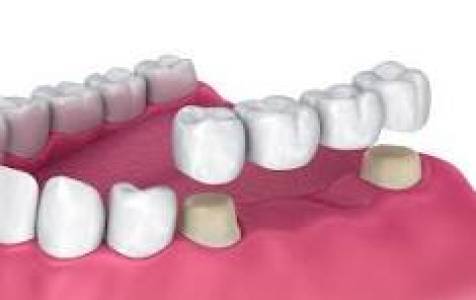
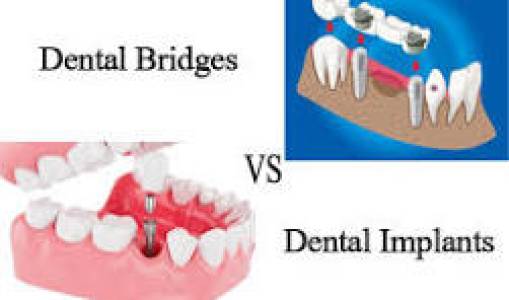
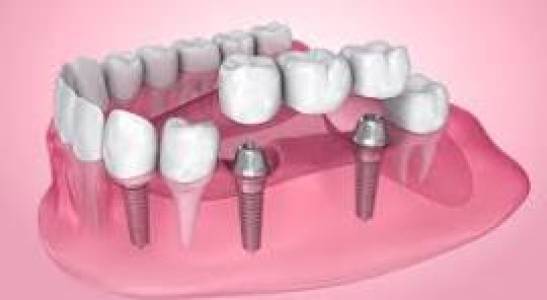
- Tooth Preservation: Saves your natural tooth from extraction, maintaining your natural bite and avoiding the need for bridges or implants.
- Prevents Infection Spread: Stops the bacterial infection from spreading to other teeth, gums, or even into your jawbone and bloodstream.
- Maintains Natural Appearance: Keeps your original tooth structure, preserving your smile's aesthetics.
- Efficient and Predictable: A routine procedure with a high success rate, often completed in one or two appointments.
- Cost-Effective Long-Term: While there's an initial cost, saving your natural tooth can be more economical in the long run than replacing it with an artificial alternative.
Is Root Canal Therapy Right For You? (Indications)
You might need a root canal if you experience any of the following symptoms or conditions:
- Persistent or Severe Toothache: Especially when chewing or applying pressure.
- Prolonged Sensitivity: To hot or cold temperatures, even after the source is removed.
- Swollen, Tender Gums: Around the affected tooth.
- Pimple-like Bumps (Abscess): On the gums near the painful tooth.
- Darkening or Discoloration of the Tooth: Indicating nerve damage.
- Tenderness or Swelling: In the lymph nodes or jaw.
- Deep Decay: That has reached the pulp chamber.
- Tooth Fracture or Trauma: That exposes the pulp.
What to Expect During Your Procedure:
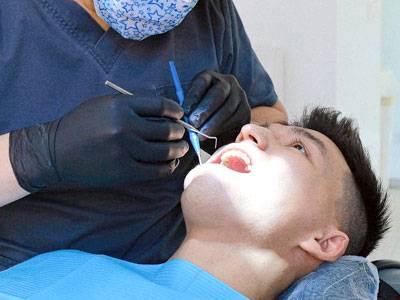
Our priority is your comfort. Root canal therapy is performed under local anesthesia, meaning you'll feel no pain during the procedure.
- Diagnosis: We'll start with a thorough examination, including X-rays, to accurately diagnose the problem and plan your treatment.
- Anesthesia: Local anesthetic will be administered to numb the affected tooth and surrounding area completely.
- Isolation: A small rubber dam will be placed around the tooth to keep it dry and free from saliva during the procedure.
- Access Opening: A small opening is made in the crown of the tooth to access the pulp chamber and root canals.
- Cleaning and Shaping: The infected or inflamed pulp is carefully removed using specialized instruments. The root canals are then cleaned, disinfected, and shaped to prepare them for filling.
- Filling and Sealing: Once clean, the canals are filled with a biocompatible material, typically gutta-percha, and sealed with an adhesive cement to prevent re-infection.
- Temporary Filling: A temporary filling is placed in the access opening to protect the tooth until the final restoration.
- Final Restoration: In most cases, a crown will be placed over the treated tooth to provide long-term protection, strength, and restore its appearance and function. This usually happens in a subsequent appointment.
Why Choose to Save Your Tooth?
While extraction is an option, saving your natural tooth with a root canal offers significant advantages:
- Maintains Chewing Efficiency: Keeps your natural bite and ability to chew effectively.
- Protects Other Teeth: Prevents adjacent teeth from shifting, which can lead to further dental problems.
- Preserves Facial Aesthetics: Maintains the natural contours of your face and jawbone.
- Avoids Complex Alternatives: Eliminates the need for more invasive and potentially more expensive procedures like dental implants or bridges to replace a missing tooth.
After Your Root Canal:
- Mild Discomfort: It's normal to experience some tenderness or sensitivity for a few days after the procedure, which can usually be managed with over-the-counter pain relievers.
- Avoid Hard Chewing: Until your permanent crown or filling is placed, avoid chewing on the treated tooth to prevent damage.
- Good Oral Hygiene: Continue to brush and floss regularly to maintain overall oral health.
- Follow-Up: Attend all scheduled follow-up appointments for the placement of your final restoration and to ensure proper healing.
Frequently Asked Questions (FAQ):
Q: Is a root canal painful? A: No. Thanks to modern anesthetics and techniques, a root canal procedure is typically no more uncomfortable than getting a filling. The procedure itself relieves the pain caused by the infection.
Q: How long does a root canal last? A: With proper care, a root canal treated tooth can last a lifetime. Regular brushing, flossing, and dental check-ups are crucial.
Q: How many appointments will it take? A: Most root canals can be completed in one or two appointments, depending on the complexity of the case. A final restoration (crown) will require an additional visit.
Q: What happens if I don't get a root canal? A: If left untreated, the infection can spread, leading to a painful abscess, bone loss, and eventually requiring the extraction of the tooth.
Q: Can I go back to work/school after a root canal? A: Most patients can resume their normal activities the same day, though it's advisable to avoid strenuous activity and be mindful of lingering numbness.
Ready to Find Relief?
Don't let dental pain dictate your life. Root canal therapy is a safe, effective solution to restore your oral health and preserve your natural smile. If you're experiencing symptoms of a tooth infection, early intervention is key.
Contact Us Today for a Consultation! – Let our experienced team assess your condition and provide the best treatment options for you.
Disclaimer: This product description is for informational purposes only and does not constitute medical advice. Please consult with a qualified dental professional for a proper diagnosis and personalized treatment plan. Individual results may vary.