Dental Sealants

      Description


      Here's a detailed product description for Dental Sealants, formatted in Markdown:

      Dental Sealants: Your Invisible Shield Against Cavities

      Unlock Lifetime Protection for Little Smiles and Beyond

      Imagine a protective raincoat for your teeth – especially the ones that work hardest chewing food. That's precisely what Dental Sealants are! A simple, pain-free, and highly effective way to prevent tooth decay and safeguard your oral health for years to come.

      What Are Dental Sealants?

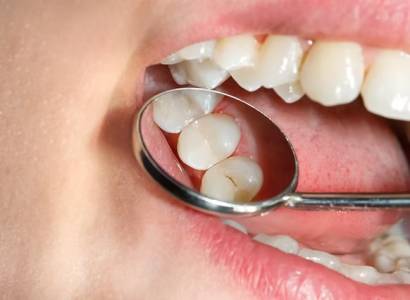
      Dental sealants are thin, plastic coatings applied to the chewing surfaces of the back teeth (molars and premolars). These teeth have naturally deep grooves and depressions called "pits and fissures," which are notoriously difficult to clean with a toothbrush. Food particles and plaque can easily get trapped in these areas, creating a breeding ground for cavity-causing bacteria.

      Sealants act as a physical barrier, sealing off these vulnerable grooves and protecting the tooth enamel from acids and plaque.

      The Problem They Solve: The Hidden Threat of Deep Grooves

      Even with diligent brushing and flossing, the intricate topography of your back teeth makes them susceptible to decay. Toothbrush bristles often cannot reach deep into the narrow pits and fissures. This leaves these areas exposed to bacteria and food debris, which convert sugars into acids that erode enamel and lead to cavities.

      Key Benefits of Dental Sealants:

      • Powerful Cavity Prevention: Sealants significantly reduce the risk of decay in the treated teeth, often by up to 80% in molars.
      • Long-Lasting Protection: With proper care, dental sealants can last for several years, providing continuous defense against cavities.
      • Painless & Non-Invasive: The application process is quick, comfortable, and requires no drilling or anesthesia.
      • Cost-Effective: Preventing cavities with sealants is far less expensive and less extensive than treating decay with fillings or other restorative procedures.
      • Safe & Biocompatible: Made from safe, durable, and biocompatible resin materials. Many sealants also release fluoride, offering an added layer of protection.
      • Nearly Invisible: Sealants are tooth-colored or clear, making them virtually unnoticeable and maintaining the natural aesthetics of your smile.
      • Peace of Mind: Provides parents with reassurance that their children's developing teeth are well-protected against the most common dental disease.

      Who Can Benefit from Dental Sealants?

      Dental sealants are highly recommended for:

      • Children & Teenagers: This is the primary demographic, as their permanent molars and premolars are most susceptible to decay soon after they erupt. Ideally, sealants are applied as soon as these teeth emerge (around ages 6 for first molars and 12 for second molars).
      • Adults: While less common, adults who have deep grooves in their molars and premolars with no existing decay or fillings can also benefit from sealants to prevent future cavities.

      The Simple & Quick Application Process:

      Applying dental sealants is a straightforward procedure that typically takes only a few minutes per tooth:

      1. Cleaning: The tooth surface is thoroughly cleaned to remove any food particles or plaque.
      2. Etching: An acidic solution is applied to the chewing surface for a few seconds. This creates microscopic pores in the enamel, helping the sealant bond securely to the tooth.
      3. Rinsing & Drying: The tooth is thoroughly rinsed and completely dried.
      4. Application: The liquid sealant material is painted onto the pits and fissures of the tooth.
      5. Curing: A special curing light is used to harden and bond the sealant to the tooth, forming a durable protective layer.

      Once applied, the sealant immediately provides protection.

      Caring for Your Sealants:

      Maintaining your dental sealants is easy and involves your regular oral hygiene routine:

      • Continue to brush your teeth twice a day and floss daily.
      • Avoid chewing on very hard candies, ice, or other non-food items that could potentially chip or dislodge the sealant.
      • Attend regular dental check-ups and cleanings. Your dentist will inspect your sealants to ensure they are intact and strong, and reapply or repair them if necessary.

      Invest in a Cavity-Free Future!

      Dental sealants represent a proactive and wise investment in long-term oral health. By creating an impenetrable barrier against decay, you or your child can enjoy a healthier, stronger smile with fewer dental problems down the road.

      Ready to Protect Your Smile?

      Don't wait for cavities to strike. Talk to our dental team today about the benefits of dental sealants and determine if they are the right protective solution for you or your family.

      [Call to Action: Schedule a Consultation Today!]

      Frequently Asked Questions (FAQs):

      Q: How long do dental sealants last? A: With good oral hygiene and avoiding chewing on hard items, sealants can last for 5 to 10 years. They are regularly checked during dental visits and can be repaired or reapplied if necessary.

      Q: Does applying sealants hurt? A: No, the application process is completely painless. There is no drilling, no shots, and no discomfort involved.

      Q: Are dental sealants safe? A: Yes, dental sealants are considered very safe. The tiny amount of BPA sometimes found in trace amounts in some dental materials is significantly lower than daily environmental exposure and has been deemed safe by major dental organizations like the ADA.

      Q: Can adults get dental sealants? A: Absolutely! While most commonly associated with children, adults with deep grooves in their permanent molars and premolars that are free from decay or existing fillings can also benefit greatly from sealants to prevent future cavities.

      Q: Will my insurance cover dental sealants? A: Many dental insurance plans do cover sealants, especially for children. We recommend checking with your specific insurance provider or speaking with our office manager for assistance.

      Tags: Dental Sealants



