Description
Root Canal Treatment: Save Your Natural Tooth & Eliminate Pain
Don't let the thought of a "root canal" intimidate you. This highly effective and routine procedure is designed to save your natural tooth from extraction, eliminate pain, and prevent the spread of infection, restoring your oral health and comfortable smile.
What is Root Canal Treatment?
Root canal treatment (RCT), also known as endodontic treatment, is a dental procedure that removes infected or damaged tissue (the pulp) from inside your tooth. The pulp, located in the center of the tooth, contains nerves, blood vessels, and connective tissue. When it becomes inflamed or infected, it can cause severe pain and lead to an abscess if left untreated.
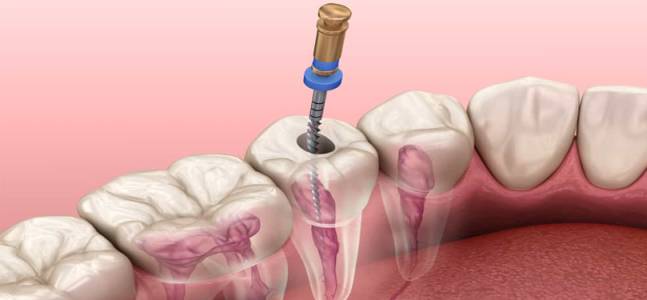
During an RCT, the infected pulp is carefully removed, the inside of the tooth is thoroughly cleaned and disinfected, and then filled and sealed with a special material. This process preserves the tooth's structure, eliminates discomfort, and prevents further infection.
Why Might You Need a Root Canal?
Root canal treatment becomes necessary when the pulp tissue inside your tooth becomes inflamed or infected. Common causes include:
- Deep Decay: Extensive cavities that penetrate through the outer layers of the tooth (enamel and dentin) and reach the pulp.
- Tooth Trauma: A chip, crack, or fracture in the tooth that exposes the pulp to bacteria, or injury that damages the pulp even without a visible break.
- Repeated Dental Procedures: Multiple fillings or restorations on the same tooth can sometimes irritate the pulp, leading to inflammation over time.
- Cracked or Chipped Tooth: Allowing bacteria to enter the inner chamber of the tooth.
- Gum Disease: In severe cases, advanced gum disease can affect the tooth's root and lead to pulp infection.
- Abscess: A pus-filled pocket that forms at the end of the tooth's root due to infection.
Recognizing the Symptoms
While some teeth requiring root canals may have no symptoms, common signs that you might need a root canal include:
- Persistent Tooth Pain: Moderate to severe pain that may throb, be constant, or come and go. It might worsen when lying down.
- Sensitivity to Hot and Cold: Lingering sensitivity (pain that persists for a few seconds or longer) after exposure to hot or cold foods/drinks.
- Swelling or Tenderness in Gums: Around the affected tooth.
- Pimple-like Bump (Abscess): On the gum near the infected tooth, which may release pus.
- Tooth Discoloration: The affected tooth may darken or appear grayish.
- Pain When Chewing or Biting: Especially when pressure is applied to the tooth.
The Root Canal Procedure: Step-by-Step
Understanding the process can help alleviate any anxiety. Here's what you can expect:
- Diagnosis & X-rays: The dentist will examine your tooth, take X-rays, and perform tests to confirm the pulp infection and plan the treatment.
- Anesthesia: Local anesthetic is administered to numb the affected tooth and surrounding area, ensuring you are comfortable and pain-free throughout the procedure.
- Isolation (Rubber Dam): A small, thin sheet of latex or non-latex material called a rubber dam is placed around the tooth. This isolates the tooth, keeping it clean, dry, and free from saliva and bacteria during the treatment.
- Access Opening: A small opening is made in the crown of the tooth to access the pulp chamber and root canals.
- Cleaning & Shaping: Specialized instruments (files) are used to meticulously remove the infected pulp, bacteria, and debris from the pulp chamber and root canals. The canals are then shaped to be properly filled. Irrigating solutions are used to disinfect the canals.
- Filling & Sealing: Once the canals are thoroughly cleaned and shaped, they are filled with a biocompatible, rubber-like material called gutta-percha, often combined with an adhesive sealer. This material prevents re-infection.
- Temporary or Permanent Restoration: A temporary filling is placed to seal the access opening. In most cases, a crown is recommended after root canal treatment to protect the tooth from fracture and restore its full function and appearance. This permanent restoration is typically placed during a separate visit.
Benefits of Choosing Root Canal Treatment
Opting for root canal treatment offers numerous advantages:
- Preserves Your Natural Tooth: The primary benefit is saving your tooth from extraction, which is always the best option for maintaining oral health.
- Eliminates Pain & Infection: RCT effectively removes the source of pain and infection, providing immediate relief and preventing its spread.
- Restores Chewing Function: Once treated and restored, the tooth can function normally again, allowing you to chew comfortably.
- Prevents Spread of Infection: By removing the infected pulp, RCT prevents bacteria from spreading to other teeth, gums, and even into your bloodstream.
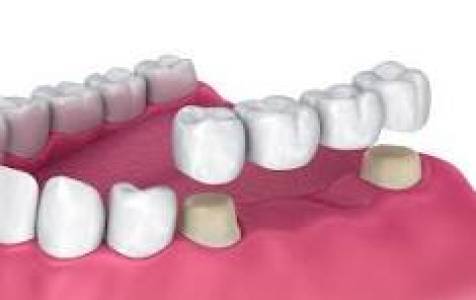
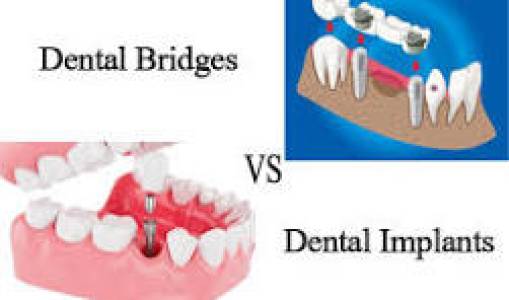
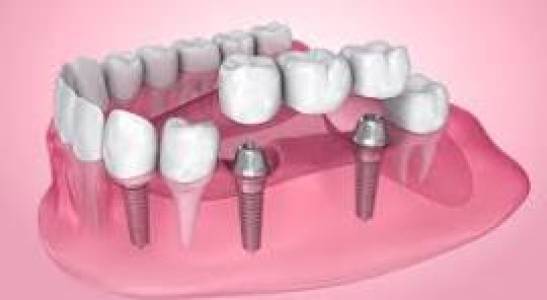
- Cost-Effective: While there's an investment, a root canal and crown are often more cost-effective in the long run than extracting a tooth and replacing it with a bridge or implant.
- Maintains Oral Health: Preserving your natural tooth helps maintain the alignment of your other teeth and the health of your jawbone.
Dispelling Common Myths About Root Canals
- Myth 1: Root canals are extremely painful.
- Fact: With modern anesthetics and techniques, the procedure itself is typically no more uncomfortable than getting a filling. The treatment actually relieves the severe pain caused by the infection.
- Myth 2: It's better to just extract the tooth.
- Fact: While extraction is an option, preserving your natural tooth is almost always the best choice. Replacing a pulled tooth can be more expensive and invasive in the long term, impacting adjacent teeth and jawbone density.
- Myth 3: Root canal treatment causes illness.
- Fact: This myth dates back to faulty research from the early 20th century. Reputable scientific studies have debunked any link between root canals and systemic diseases.
After Your Treatment: Care & Recovery
After your root canal procedure, you can expect some mild sensitivity or discomfort for a few days, which can typically be managed with over-the-counter pain relievers.
- Avoid Chewing: It's important to avoid chewing on the treated tooth until your permanent crown or restoration is placed, as the tooth is more vulnerable to fracture.
- Good Oral Hygiene: Continue to brush and floss regularly to keep your mouth clean and healthy.
- Follow-Up: A follow-up appointment for your permanent restoration (usually a crown) is crucial to protect the treated tooth and ensure its long-term success.
Is a Root Canal Right For You?
If you're experiencing symptoms of an infected tooth or have concerns about your dental health, don't delay. Early diagnosis and treatment can prevent more serious complications and save your tooth.
Contact us today to schedule a comprehensive examination and consultation. Our experienced dental team will assess your condition, answer all your questions, and discuss the best treatment options to restore your comfort, health, and smile.
Disclaimer: This product description is for informational purposes only and does not constitute medical advice. Please consult with a qualified dental professional for personalized diagnosis and treatment recommendations.