Description
Here's a detailed product description for Root Canal Treatment (RCT), formatted in Markdown:
Root Canal Treatment (RCT): Save Your Smile, Relieve Your Pain
Experiencing persistent tooth pain, sensitivity, or swelling? You might be facing an infection deep within your tooth. Root Canal Treatment (RCT) is a highly effective and common dental procedure designed to save your natural tooth, alleviate pain, and restore oral health. Often misunderstood, RCT is not a painful procedure, but rather a restorative one that can prevent tooth loss and further complications.
What is Root Canal Treatment (RCT)?
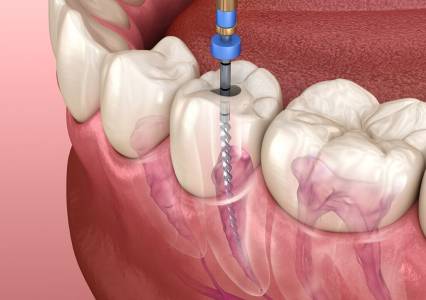
Root Canal Treatment is an endodontic procedure that addresses issues within the pulp – the soft tissue, nerves, and blood vessels inside your tooth's root canal system. When this pulp becomes infected or inflamed due to deep decay, repeated dental procedures, a crack, or trauma, it can cause severe pain and lead to an abscess if left untreated.
During an RCT, our skilled dentists carefully remove the infected or inflamed pulp, meticulously clean and disinfect the inside of the tooth, and then fill and seal it to prevent re-infection. This preserves the natural tooth structure, allowing it to function normally for many years to come.
When is a Root Canal Necessary?
RCT is typically recommended when the pulp inside your tooth is irreversibly damaged. Common symptoms that indicate the need for a root canal include:
- Persistent tooth pain: Especially when chewing or applying pressure.
- Prolonged sensitivity: To hot or cold temperatures, even after the source is removed.
- Swelling and tenderness: In the surrounding gums or jaw.
- A recurring pimple-like bump (fistula): On the gums near the affected tooth, indicating an infection draining.
- Discoloration or darkening: Of the affected tooth.
- Deep decay: That has reached the pulp chamber.
- A cracked or chipped tooth: That exposes the pulp to bacteria.
- Trauma to the tooth: Even without visible damage, the pulp can be injured.
If you experience any of these symptoms, it's crucial to seek dental attention promptly to prevent the infection from spreading and causing more serious health issues.
The Benefits of Choosing Root Canal Treatment
Opting for a root canal over extraction offers numerous advantages:
- Effective Pain Relief: Eliminates the source of your severe toothache and discomfort.
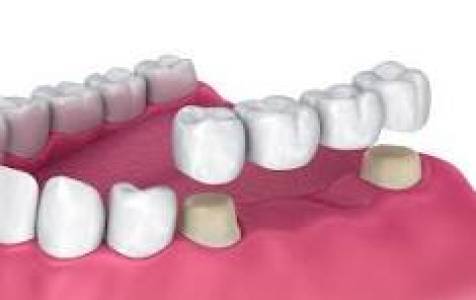
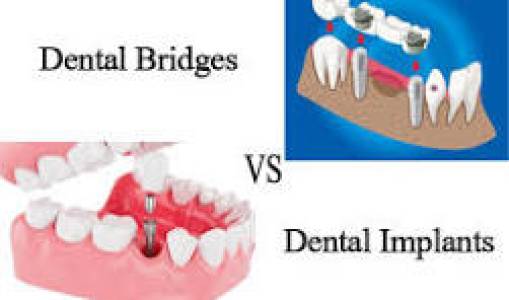
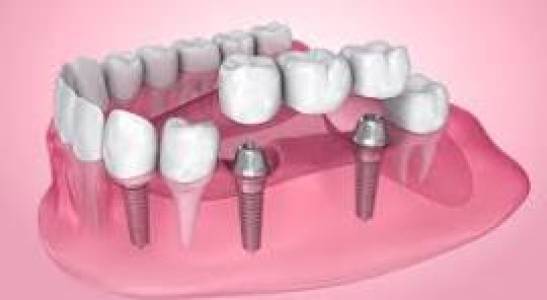
- Saves Your Natural Tooth: Preserves your natural tooth, preventing the need for costly and complex replacements like implants or bridges.
- Prevents Spread of Infection: Stops the infection from spreading to other teeth, gums, or into your jawbone.
- Maintains Oral Function: Allows you to continue chewing efficiently and speaking clearly with your natural teeth.
- Maintains Aesthetics: Keeps your natural smile intact.
- Cost-Effective Long-Term: Often more economical than tooth extraction followed by a prosthetic replacement.
What to Expect: The Root Canal Procedure
While the specifics can vary based on the tooth and complexity, a typical root canal treatment involves these steps:
- Diagnosis & Anesthesia: We begin with a thorough examination, including X-rays, to confirm the diagnosis. Local anesthesia is administered to numb the tooth and surrounding area, ensuring you are completely comfortable and pain-free throughout the procedure.
- Isolation: A small protective sheet called a dental dam is placed around the tooth. This isolates the tooth, keeps it clean and dry from saliva, and prevents bacteria from entering during treatment.
- Access Opening: A small opening is carefully made in the crown of the tooth to access the infected pulp chamber and root canals.
- Cleaning & Shaping: Using specialized instruments, the infected or inflamed pulp is meticulously removed from the root canals. The canals are then cleaned, disinfected, and shaped to prepare them for filling.
- Filling & Sealing: The cleaned and shaped canals are filled with a biocompatible, rubber-like material called gutta-percha. The access opening is then sealed with an adhesive cement to prevent re-infection.
- Temporary Restoration: A temporary filling is placed to protect the tooth until your permanent restoration can be completed.
- Permanent Restoration (Crown): In most cases, a dental crown will be recommended and placed at a subsequent visit. This crown encases the treated tooth, protecting it from fracture, restoring its full function, and enhancing its appearance.
"Is a Root Canal Painful?" Addressing Common Concerns
Thanks to modern anesthesia and advanced dental techniques, root canal treatment is typically no more uncomfortable than having a filling placed. Our primary goal is your comfort. You will be thoroughly numbed before the procedure begins, so you shouldn't feel pain during the treatment.
Any post-procedure soreness is usually mild and temporary, similar to what you might experience after a routine dental procedure. This can be effectively managed with over-the-counter pain relievers and subsides quickly.
Post-Treatment Care & Recovery
After your root canal treatment, it's important to follow these guidelines for optimal recovery and long-term success:
- Avoid Chewing: Refrain from chewing on the treated tooth until your permanent crown or filling is placed to prevent fracturing.
- Oral Hygiene: Continue your regular brushing and flossing routine.
- Medication: Take any prescribed antibiotics or pain relievers as directed.
- Follow-Up: Attend your follow-up appointment for permanent restoration (e.g., crown). This is crucial for protecting the treated tooth.
- Mild Soreness: Expect some mild soreness or sensitivity for a few days, which is normal and subsides quickly.
Long-Term Outlook
With proper care, regular dental check-ups, and a final restoration (usually a crown), your root canal-treated tooth can last a lifetime, functioning just like any other tooth. It's a highly successful procedure with a very high success rate.
Why Choose [Your Practice Name] for Your Root Canal Treatment?
At [Your Practice Name], we understand that the thought of a root canal can be daunting. We are committed to making your experience as comfortable, efficient, and stress-free as possible.
- Experienced Professionals: Our skilled dentists have extensive experience in endodontic procedures, ensuring precise and effective treatment.
- Advanced Technology: We utilize state-of-the-art equipment and techniques, including [mention specific tech, e.g., digital X-rays, rotary endodontics, dental microscopes], for superior outcomes.
- Patient Comfort: From local anesthesia to sedation options (if needed), your comfort and well-being are our highest priority.
- Compassionate Care: We take the time to explain every step, answer your questions, and ensure you feel confident and informed about your treatment plan.
- Comprehensive Follow-Up: We provide clear post-treatment instructions and ensure proper follow-up for your permanent restoration.
Don't Delay, Seek Relief Today!
If you are experiencing symptoms of a tooth infection or have been advised to get a root canal, don't wait for the pain to worsen. Contact [Your Practice Name] today to schedule a consultation. We are here to help you get back to a pain-free, healthy smile.
Call us at: [Your Phone Number] Visit our website: [Your Website Address] Book an appointment: [Link to Online Booking Page]
Disclaimer: This information is for general educational purposes only and does not constitute medical advice. Please consult with a qualified dental professional for diagnosis and treatment recommendations tailored to your specific condition.