Description
Here's a detailed product description for Root Canal Treatment (RCT) in Markdown format, designed to be informative, reassuring, and professional.
Root Canal Treatment (RCT): Experience Lasting Relief & Preserve Your Natural Smile
Don't let tooth pain dictate your life. Root Canal Treatment offers a proven solution to save your natural tooth, eliminate discomfort, and prevent further infection.
What is Root Canal Treatment (RCT)?
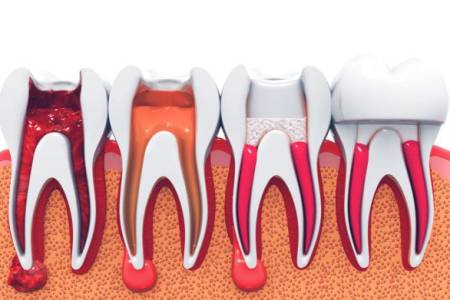
Root Canal Treatment, often referred to as endodontic treatment, is a common and highly effective dental procedure designed to treat and save a tooth that has been severely infected or damaged. Beneath the hard enamel and dentin of your tooth lies the pulp, a soft tissue containing nerves, blood vessels, and connective tissue. When this pulp becomes inflamed or infected due to deep decay, repeated dental procedures, cracks, or trauma, it can cause severe pain and lead to an abscess if left untreated.
The Goal of RCT: To remove the inflamed or infected pulp, meticulously clean and disinfect the inside of the tooth, and then fill and seal it to prevent future infection, ultimately preserving your natural tooth.
Why Might You Need an RCT?
Ignoring an infected tooth can lead to more serious health problems, including the spread of infection to other parts of your body. RCT is often the best course of action to:
- Eliminate Pain: Alleviate the persistent, throbbing pain and discomfort caused by an infected pulp.
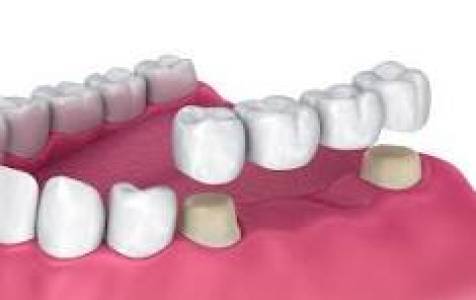
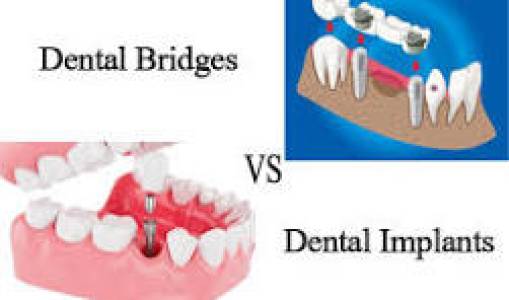
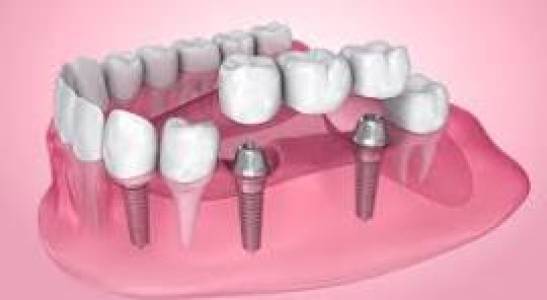
- Save Your Natural Tooth: Avoid tooth extraction, which can lead to shifting teeth, difficulty chewing, and the need for more costly replacements like implants or bridges.
- Prevent Infection Spread: Stop the infection from spreading to the jawbone, gums, and other teeth.
- Restore Chewing Function: Return your tooth to its full functionality, allowing you to chew comfortably.
- Maintain Facial Aesthetics: Preserve your natural smile and facial structure.
- Improve Overall Oral Health: Remove the source of infection, contributing to better systemic health.
Common Symptoms Indicating a Need for RCT:
- Severe Toothache: Persistent pain, especially when chewing or applying pressure.
- Prolonged Sensitivity: Lingering sensitivity to hot or cold temperatures, even after the source is removed.
- Swelling: Tenderness and swelling in the surrounding gums, or a pimple-like bump (fistula) on the gums.
- Darkening of the Tooth: Discoloration of the affected tooth.
- Tender Gums: Pain when touching the gums near the affected tooth.
The RCT Process: What to Expect
Modern root canal treatment is a precise and often comfortable procedure performed by skilled dental professionals. While the number of appointments may vary depending on the complexity of the case, the general steps include:
Step-by-Step Breakdown:
- Diagnosis & Planning:
- Your dentist will take X-rays and perform a thorough examination to assess the extent of the infection and plan your treatment.
- Anesthesia:
- Local anesthesia is administered to numb the tooth and surrounding area, ensuring a pain-free experience during the procedure.
- Isolation:
- A rubber dam is placed around the tooth to keep it dry and free from saliva during treatment, maintaining a sterile environment.
- Access Opening:
- A small opening is created in the crown of the tooth to access the pulp chamber and root canals.
- Pulp Removal & Cleaning:
- Using specialized instruments, the infected or inflamed pulp is carefully removed from the pulp chamber and root canals. The canals are then meticulously cleaned, shaped, and disinfected.
- Filling & Sealing:
- Once cleaned, the canals are filled with a biocompatible material, typically a rubber-like compound called gutta-percha, and sealed with an adhesive cement to prevent re-infection.
- Temporary Filling:
- A temporary filling is placed in the access opening to protect the tooth until your permanent restoration.
- Permanent Restoration (Crown/Filling):
- In a subsequent appointment, the temporary filling will be replaced with a permanent filling or, more commonly, a dental crown. A crown provides strength and protection to the treated tooth, which can become brittle after the removal of the pulp.
Key Features & Advantages of Our RCT Service
At [Your Clinic Name/Practice], we are committed to providing you with the highest standard of endodontic care.
- Advanced Technology: We utilize state-of-the-art equipment such as digital X-rays (for reduced radiation exposure), rotary instruments (for efficient and precise cleaning), and apex locators (for accurate canal length determination) to ensure optimal outcomes.
- Experienced & Compassionate Team: Our dentists and endodontists are highly trained and experienced in performing root canal treatments, focusing on both clinical excellence and patient comfort.
- Patient-Centered Comfort: We prioritize your comfort with effective local anesthesia, options for sedation (if needed), and a calming environment to ease any anxiety.
- High Success Rate: With proper technique and follow-up care, root canal treatments have a very high success rate, often allowing the treated tooth to last a lifetime.
- Preservation of Natural Tooth Structure: Our primary goal is always to save your natural tooth, avoiding the complications and costs associated with tooth extraction and replacement.
- Comprehensive Aftercare: We provide clear post-treatment instructions and follow-up care to ensure proper healing and the longevity of your treated tooth.
What Happens After Your Root Canal?
Following your root canal, it's normal to experience some mild sensitivity or discomfort for a few days, which can be managed with over-the-counter pain medication. It is crucial to return for your final restoration (crown or permanent filling) as advised by your dentist. This final step is vital for protecting the treated tooth from fracture and restoring its full function.
With good oral hygiene and regular dental check-ups, your root canal treated tooth can last a lifetime.
Why Choose [Your Clinic Name] for Your RCT?
- Expert Care: Our team brings extensive experience and specialized training in endodontics.
- Comfort-Focused Approach: We employ techniques and amenities designed to make your experience as comfortable and stress-free as possible.
- State-of-the-Art Facility: We invest in modern dental technology to deliver precise, efficient, and effective treatment.
- Personalized Treatment Plans: We take the time to understand your unique needs and tailor a treatment plan just for you.
- Commitment to Your Health: We believe in patient education and transparent communication, empowering you to make informed decisions about your oral health.
Schedule Your Consultation Today!
If you are experiencing symptoms of an infected tooth or have been advised to undergo root canal treatment, don't delay. Contact us today to schedule a consultation with our experienced team. We're here to answer your questions, ease your concerns, and help you achieve lasting relief and a healthy smile.
Call Us: [Your Phone Number] Visit Us: [Your Website] Find Us: [Your Clinic Address]
Disclaimer: This product description is for general informational purposes only and does not constitute medical advice. The actual procedure and outcomes may vary based on individual circumstances. Always consult with a qualified dental professional for diagnosis and treatment recommendations.