Description
Root Canal Treatment
Reclaim Your Comfort, Preserve Your Natural Smile.
Often misunderstood and sometimes feared, Root Canal Treatment (RCT) is one of dentistry's most vital procedures, designed to alleviate pain, remove infection, and save a severely damaged or infected tooth from extraction. At [Your Clinic Name], we combine advanced techniques with compassionate care to make your root canal experience as gentle, effective, and comfortable as possible.
What is Root Canal Treatment?
At the heart of every tooth lies the dental pulp – a collection of soft tissue containing nerves, blood vessels, and connective tissue. When this pulp becomes infected or inflamed due to deep decay, repeated dental procedures, cracks, or trauma, it can cause severe pain and lead to an abscess.
Root Canal Treatment is a sophisticated procedure where the infected or inflamed pulp is carefully removed from inside the tooth. The interior of the tooth is then meticulously cleaned, disinfected, shaped, and filled with a biocompatible material, usually gutta-percha. Finally, the tooth is sealed, typically with a crown, to protect it from future damage and restore its full function and appearance.
Key Benefits of Choosing Root Canal Treatment:
- Eliminates Pain: The most immediate and significant benefit is the relief from excruciating tooth pain caused by inflammation or infection of the pulp.
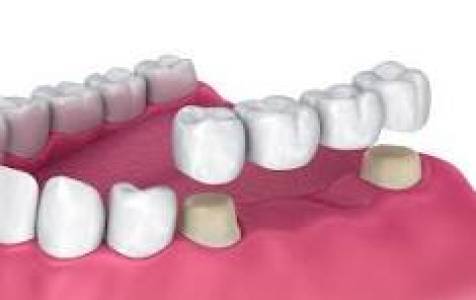
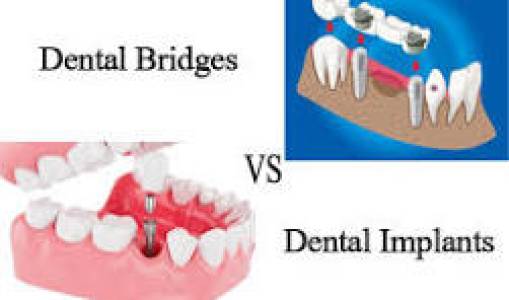
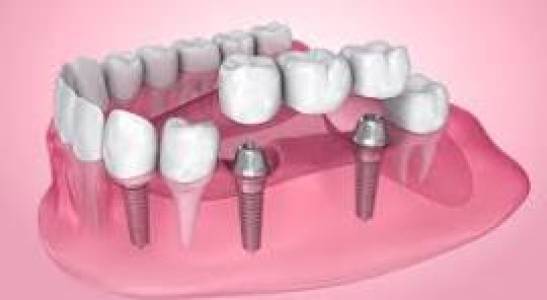
- Saves Your Natural Tooth: RCT is a tooth-preserving treatment, allowing you to keep your natural tooth instead of extracting it, which prevents the need for bridges or dental implants.
- Prevents Further Infection: By removing the infected pulp, the procedure halts the spread of bacteria, protecting surrounding teeth and gums from further damage.
- Restores Oral Health & Function: A successfully treated and restored tooth can function normally for a lifetime, allowing you to chew efficiently and speak clearly.
- Aesthetic Preservation: Keeping your natural tooth maintains your facial structure and smile, avoiding the gaps or changes in appearance that can result from extractions.
Indications / Who Needs Root Canal Treatment?
You might be a candidate for Root Canal Treatment if you experience any of the following symptoms:
- Persistent Tooth Pain: Ranging from mild aches to severe, throbbing pain that can interrupt sleep.
- Sensitivity to Hot and Cold: Lingering sensitivity, especially after the hot or cold stimulus has been removed.
- Swollen, Tender Gums: Around the affected tooth.
- Pimple on the Gums (Abscess): A recurring or persistent pimple-like lesion on the gum that may release pus.
- Tooth Discoloration: Darkening of the tooth, indicating nerve damage.
- Deep Decay or Trauma: An X-ray might reveal an infection in the bone surrounding the tooth's root, even if no pain is present.
The Root Canal Process:
Modern root canal treatment is a highly refined procedure, often completed in one or two appointments.
- Diagnosis & Anesthesia: Your dentist will take X-rays and perform a thorough examination to confirm the diagnosis. Local anesthesia is administered to numb the tooth and surrounding area, ensuring a pain-free experience. Sedation options are also available for anxious patients.
- Access Opening: A small opening is made in the crown of the tooth to access the pulp chamber and root canals.
- Cleaning & Shaping: Tiny, flexible instruments are used to carefully remove the infected pulp and shape the canals. The canals are continuously irrigated with antimicrobial solutions to thoroughly clean and disinfect them.
- Filling & Sealing: Once cleaned and disinfected, the root canals are filled with gutta-percha, a rubber-like material, and sealed with an adhesive cement to prevent re-infection.
- Restoration (Crown/Filling): After the root canal is complete, a temporary filling is placed. A final restoration, usually a custom-made crown, is crucial to protect the treated tooth from fracture and restore its full strength and aesthetics. This is typically done in a follow-up appointment.
What Makes Our Root Canal Treatment Exceptional?
- Experienced Professionals: Our skilled endodontists and general dentists specialize in root canal therapy, possessing extensive experience and a gentle touch.
- Advanced Technology: We utilize state-of-the-art equipment, including digital X-rays (lower radiation), dental operating microscopes (for enhanced visibility), and rotary instrumentation (for efficient and precise cleaning), to ensure the highest success rates.
- Patient Comfort Focus: Your comfort is our priority. We offer various comfort options, including local anesthesia, nitrous oxide (laughing gas), and oral sedation, to help you relax throughout the procedure.
- Sterile Environment: We adhere to the highest standards of sterilization and infection control for your safety.
- Comprehensive Aftercare: We provide clear post-treatment instructions and are always available to answer any questions you may have during your recovery.
What to Expect During Your Appointment:
While the thought of a root canal can be daunting, most patients report that the procedure itself is no more uncomfortable than a regular filling, thanks to effective local anesthesia. You can expect the appointment to last anywhere from 60 to 90 minutes, depending on the complexity of the tooth and the number of roots.
Aftercare & Recovery:
- Mild Soreness: It's normal to experience some mild soreness or sensitivity for a few days, which can be managed with over-the-counter pain relievers.
- Avoid Chewing: Try to avoid chewing on the treated tooth until the final restoration (crown) is placed to prevent fracturing the tooth.
- Oral Hygiene: Continue with your regular brushing and flossing routine.
- Follow-Up: Ensure you attend your follow-up appointment for the placement of your permanent crown or filling. This step is critical for the long-term success of the root canal.
Frequently Asked Questions (FAQ):
Q: Is root canal treatment painful? A: No. With modern anesthetics and techniques, the procedure itself is generally pain-free. It's designed to relieve pain, not cause it.
Q: How long does a root canal last? A: With proper care and a good final restoration (like a crown), a treated tooth can last a lifetime.
Q: What is the alternative to a root canal? A: The only alternative is to extract the infected tooth. This can lead to further issues like shifting teeth, difficulty chewing, and the need for more complex and costly replacements like bridges or dental implants.
Q: Will I need a crown after my root canal? A: Most teeth, especially molars and premolars, will require a crown after a root canal to protect them from fracture. Your dentist will advise you on the best restoration for your specific tooth.
Don't let tooth pain dictate your life. If you're experiencing symptoms of an infected tooth, timely Root Canal Treatment can save your natural tooth, alleviate discomfort, and restore your oral health.
Contact [Your Clinic Name] today to schedule a consultation. Our team is here to provide gentle, effective care and answer all your questions.
Disclaimer: Individual results may vary. A thorough dental examination and consultation with a qualified dentist or endodontist are essential to determine the most appropriate treatment plan for your specific condition.