Description
Root Canal Treatment (Endodontic Therapy)
Are you experiencing persistent tooth pain, extreme sensitivity, or a throbbing sensation that won't go away? Don't let dental discomfort dictate your life. Root Canal Treatment (RCT) is a highly effective and common dental procedure designed to alleviate pain, eliminate infection, and save your natural tooth from extraction.
What is Root Canal Treatment?
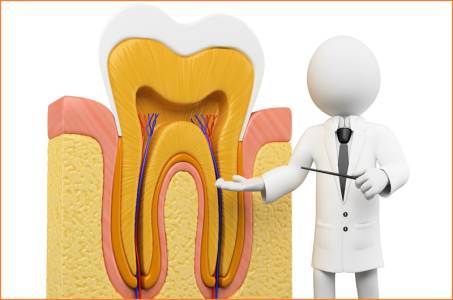
Root Canal Treatment, also known as endodontic therapy, is a procedure performed to remove infected or inflamed pulp (the soft tissue inside your tooth containing nerves and blood vessels). When the pulp becomes irreversibly damaged, often due to deep decay, trauma, or cracks in the tooth, it can lead to severe pain, abscess formation, and spread of infection. RCT cleans, disinfects, fills, and seals the root canals, preserving the tooth structure and restoring its health.
Key Benefits of Root Canal Treatment:
- Eliminates Pain: The primary and most immediate benefit is the complete relief from the severe pain caused by infected or inflamed tooth pulp.
- Saves Your Natural Tooth: RCT prevents the need for tooth extraction, allowing you to keep your natural tooth and maintain your smile's aesthetics and function.
- Prevents Infection Spread: By removing the infected pulp, RCT stops the spread of bacteria and prevents the formation of abscesses that can affect surrounding teeth, gums, and even overall health.
- Restores Chewing Function: Once treated and properly restored (usually with a crown), the tooth can function normally, allowing you to chew efficiently without discomfort.
- Maintains Oral Aesthetics: Keeping your natural tooth helps maintain your facial structure and prevents the complications associated with tooth loss, such as shifting teeth.
- Cost-Effective Long-Term: While an initial investment, saving your natural tooth through RCT is often more cost-effective in the long run compared to replacing an extracted tooth with a bridge or dental implant.
When is Root Canal Treatment Needed? (Indications):
You may be a candidate for Root Canal Treatment if you experience any of the following symptoms:
- Persistent Toothache: Especially pain that radiates, throbs, or wakes you up at night.
- Extreme Sensitivity: Prolonged sensitivity to hot or cold temperatures, even after the stimulus is removed.
- Swelling and Tenderness: Swelling in the gums around the affected tooth, or tenderness when chewing or touching the tooth.
- Pimple-Like Bump (Fistula): A small bump on the gums near the painful tooth, which may intermittently release pus.
- Tooth Discoloration: Darkening of the tooth, indicating nerve damage.
- Trauma or Injury: A cracked, chipped, or fractured tooth that exposes the pulp to bacteria.
- Deep Decay: Extensive cavities that reach the pulp chamber, leading to infection.
The Root Canal Procedure – Step-by-Step:
Modern root canal treatments are performed with precision and patient comfort in mind. Here’s what you can expect:
- Diagnosis & X-rays: The dentist will examine your tooth, review your symptoms, and take X-rays to assess the extent of the infection and the anatomy of the root canals.
- Anesthesia: Local anesthetic is administered to numb the affected tooth and surrounding area, ensuring a pain-free experience during the procedure.
- Dental Dam Placement: A small rubber sheet (dental dam) is placed around the tooth to isolate it, keeping it clean, dry, and free from saliva during the treatment.
- Access Opening: A small opening is made through the crown of the tooth to access the pulp chamber and root canals.
- Pulp Removal (Cleaning & Shaping): Tiny, specialized instruments are used to carefully remove the infected or inflamed pulp tissue from the pulp chamber and root canals. The canals are then thoroughly cleaned and shaped to prepare them for filling.
- Disinfection: The cleaned canals are disinfected using antimicrobial solutions to eliminate any remaining bacteria.
- Filling (Obturation): Once disinfected, the root canals are filled with a biocompatible, rubber-like material called gutta-percha, which is sealed with an adhesive cement to prevent reinfection.
- Temporary Filling: A temporary filling is placed in the access opening to protect the tooth until the final restoration can be completed.
- Final Restoration: In most cases, a dental crown or permanent filling is placed over the treated tooth to restore its strength, protect it from future fractures, and ensure long-term success. This final step is crucial for the longevity of the root canal treated tooth.
Post-Treatment Care & Recovery:
- Mild Soreness: It's normal to experience some mild soreness or tenderness for a few days after the procedure, which can be managed with over-the-counter pain relievers.
- Avoid Chewing: Avoid chewing on the treated tooth until your permanent restoration (crown or filling) is placed to prevent damage.
- Oral Hygiene: Continue with good oral hygiene practices, including regular brushing and flossing.
- Follow-Up: Attend your scheduled follow-up appointments for the placement of your permanent restoration and to ensure proper healing.
Why Choose Root Canal Treatment Over Extraction?
While extraction might seem like a simpler solution, preserving your natural tooth through RCT offers significant advantages:
- Maintains Natural Bite & Alignment: Extraction can lead to shifting teeth, bite problems, and jawbone deterioration.
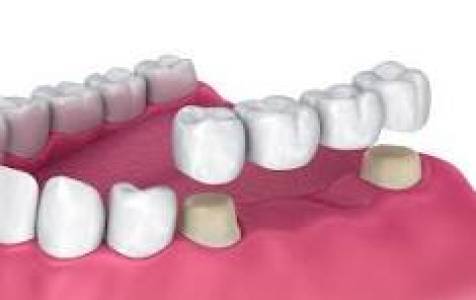
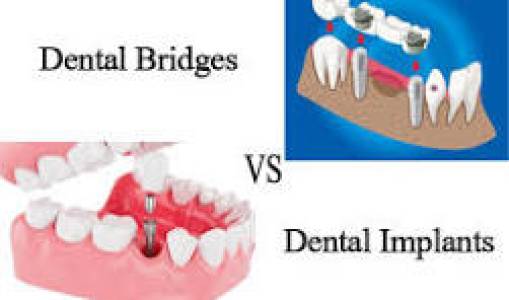
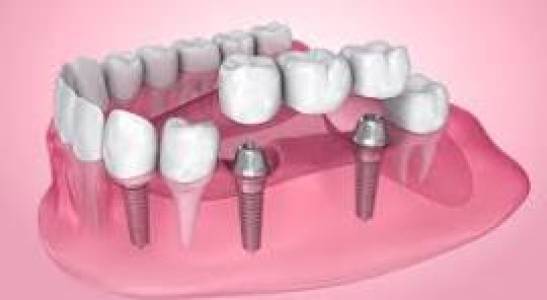
- Avoids Complex Replacements: Replacing an extracted tooth often requires more extensive and costly procedures like dental implants or bridges.
- Better Long-Term Oral Health: Nothing functions quite like your natural tooth.
Frequently Asked Questions (FAQs):
Q: Is Root Canal Treatment painful? A: With modern anesthetics and techniques, root canal treatment is typically no more uncomfortable than a routine filling. The goal of the procedure is to relieve pain, not cause it.
Q: How long does a root canal take? A: Most root canal treatments can be completed in one or two appointments, each lasting between 60-90 minutes, depending on the complexity of the tooth.
Q: How long will my treated tooth last? A: With proper care and the placement of a final restoration (like a crown), a root canal-treated tooth can last a lifetime.
Q: Do I need a crown after a root canal? A: In most cases, yes. Root canal-treated teeth can become more brittle over time, and a crown provides essential protection, strength, and restores the tooth's original appearance and function.
Q: Are there any alternatives to a root canal? A: The only alternative to root canal treatment for an infected tooth is extraction. However, this then requires a prosthetic replacement (implant, bridge, or partial denture) to prevent further complications.
Don't Suffer in Silence. Take the First Step Towards Pain Relief and a Healthy Smile!
If you suspect you may need a Root Canal Treatment, or are experiencing any of the symptoms mentioned above, don't delay. Early diagnosis and treatment can prevent further complications and save your tooth.
Contact us today to schedule your comprehensive consultation and let our experienced team help you restore your oral health and comfort.
Disclaimer: This product description provides general information about Root Canal Treatment. Individual treatment plans and outcomes may vary. It is essential to consult with a qualified dental professional for a personalized diagnosis and recommendation.