Description
Gum Surgery: Restore Your Oral Health & Smile
Gum disease (periodontal disease) can be a silent threat, often progressing without noticeable symptoms until significant damage occurs. When non-surgical treatments are no longer sufficient to manage advanced gum disease, correct severe recession, or address complex aesthetic concerns, gum surgery becomes a vital and highly effective solution.
Performed by skilled periodontists, gum surgery is a specialized dental procedure designed to halt disease progression, preserve teeth, regenerate lost tissue, and rejuvenate the health and appearance of your gums and supporting bone structure.
Why Consider Gum Surgery?
Gum surgery offers a multitude of benefits, addressing both the health and aesthetic aspects of your smile:
- Halt Disease Progression: Effectively removes bacteria, reduces deep pockets, and eliminates infection that threatens your teeth and overall health.
- Prevent Tooth Loss: By treating advanced periodontal disease, gum surgery helps stabilize teeth and prevent them from loosening or falling out due to bone and tissue destruction.
- Reduce Gum Recession & Sensitivity: Addresses receding gum lines, protecting exposed tooth roots from decay and reducing sensitivity to hot and cold.
- Improve Oral Hygiene: By reducing pocket depth and reshaping gum tissue, it becomes easier to clean your teeth and maintain good oral hygiene, preventing future disease.
- Enhance Esthetics: Corrects uneven gum lines, excessive gum tissue (gummy smile), or receded gums to create a more balanced and attractive smile.
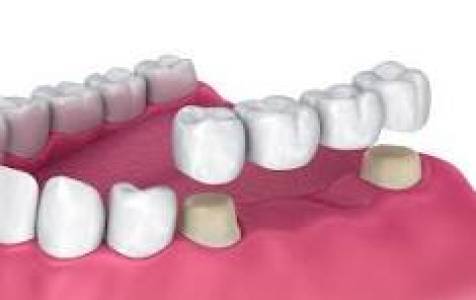
- Prepare for Restorative Procedures: In some cases, gum surgery (e.g., crown lengthening) is necessary to expose more tooth structure, allowing for successful placement of crowns, bridges, or veneers.
- Eliminate Chronic Bad Breath: By removing bacteria and infected tissue, gum surgery can significantly reduce or eliminate persistent halitosis often associated with periodontal disease.
Types of Gum Surgery
Depending on your specific needs, a periodontist may recommend one or a combination of the following surgical procedures:
1. Pocket Reduction Surgery (Osseous Surgery)
- Purpose: To reduce the depth of periodontal pockets that harbor bacteria and are difficult to clean.
- Procedure: The gums are gently folded back, diseased tissue and bacteria are removed, and the underlying bone may be reshaped to eliminate irregularities that encourage bacterial growth. The gums are then sutured back into place, creating shallower, healthier pockets.
2. Regenerative Procedures
- Purpose: To regenerate lost bone and gum tissue caused by periodontal disease.
- Procedure:
- Bone Grafting: Uses small fragments of your own bone, synthetic bone, or donor bone to rebuild bone destroyed by disease, providing a stable foundation for your teeth.
- Guided Tissue Regeneration (GTR): Involves placing a small, mesh-like membrane between the gum tissue and the bone. This membrane creates space for bone and connective tissue to grow and regenerate, preventing soft tissue from growing into the area where bone regeneration is desired.
- Growth Factors: Proteins that can be applied to the root surface to stimulate tissue growth and healing.
3. Soft Tissue Grafts (Gum Grafts)
- Purpose: To treat gum recession, cover exposed tooth roots, reduce sensitivity, and protect against further recession and bone loss.
- Procedure: A small piece of healthy gum tissue is taken from another area of your mouth (usually the palate) or from a donor source and surgically attached to the area of recession.
- Connective Tissue Graft: Tissue taken from under the surface of the palate.
- Free Gingival Graft: Tissue taken directly from the surface of the palate.
- Pedicle Graft: Tissue taken from gum adjacent to the recession and then partially detached and rotated over the exposed root.
4. Crown Lengthening
- Purpose: To expose more of the natural tooth structure, either for aesthetic reasons (to correct a "gummy smile") or for functional reasons (to allow for proper placement of a crown or other restoration).
- Procedure: A small amount of gum tissue, and sometimes bone, is removed to reveal more of the tooth.
5. Gingivectomy / Gingivoplasty
- Purpose: To remove excess gum tissue (gingivectomy) or reshape existing gum tissue (gingivoplasty) for aesthetic improvement or to facilitate oral hygiene.
- Procedure: Excess gum tissue is precisely removed and contoured, often using a scalpel or laser.
The Gum Surgery Process: What to Expect
While each procedure is tailored to individual needs, the general process for gum surgery typically involves:
- Initial Consultation & Diagnosis: A comprehensive examination, including X-rays and periodontal probing, to assess the severity of your condition and determine the most appropriate treatment plan.
- Pre-Surgical Preparation: This may include a thorough deep cleaning (scaling and root planing) to reduce inflammation before surgery, and in some cases, a course of antibiotics.
- The Surgical Procedure: Performed under local anesthesia, ensuring your comfort. Depending on the complexity, sedation options may also be available. The periodontist will meticulously execute the planned surgery.
- Immediate Post-Operative Care: You will receive detailed instructions regarding medication, diet, oral hygiene, and any activity restrictions to ensure proper healing.
Recovery & Aftercare
Recovery from gum surgery is a crucial part of the healing process. While individual experiences vary, you can generally expect:
- Discomfort Management: Mild to moderate discomfort is normal and can be managed with prescribed pain medication or over-the-counter pain relievers. Cold compresses can help reduce swelling.
- Diet: A soft diet is recommended for the first few days to weeks to avoid disturbing the surgical site.
- Oral Hygiene: You'll be given specific instructions for gentle cleaning around the surgical area, often involving special rinses and careful brushing.
- Activity Restrictions: Avoid strenuous physical activity for a few days post-surgery to promote healing and prevent complications.
- Follow-Up Appointments: Regular follow-up visits are essential to monitor healing, remove sutures (if non-dissolving), and ensure optimal results.
- Long-Term Maintenance: Consistent home care and regular professional dental cleanings are vital for maintaining the health of your gums and preventing recurrence of disease.
Is Gum Surgery Right For You?
If you are experiencing symptoms of advanced gum disease such as persistent bleeding gums, deep periodontal pockets, receding gums, loose teeth, or chronic bad breath that doesn't respond to conservative treatments, gum surgery may be necessary.
A thorough evaluation by a qualified periodontist is the first step to understanding your condition and determining the most effective course of treatment to restore your oral health.
Schedule Your Consultation Today!
Don't let gum disease compromise your health and confidence. Contact us to schedule a comprehensive evaluation with our experienced periodontist. We are dedicated to providing personalized, compassionate care and utilizing advanced techniques to help you achieve lasting oral health and a confident smile.
Disclaimer: This product description provides general information about gum surgery. It is not a substitute for professional medical advice, diagnosis, or treatment. Always seek the advice of a qualified healthcare provider for any questions you may have regarding a medical condition or treatment.