Description
Okay, this is an interesting challenge! Since "Gum Disease" isn't a product you buy, I'll frame this as a detailed informational guide, presented with the structure and persuasive elements of a product description, highlighting the "solution" of understanding and addressing it.
GUM DISEASE: Your Comprehensive Guide to Understanding, Prevention, and Treatment
Product Overview
Gum Disease, scientifically known as Periodontal Disease, is a prevalent and often underestimated inflammatory condition affecting the tissues surrounding and supporting your teeth. Far from being just a minor annoyance, it is a leading cause of tooth loss in adults and has significant implications for your overall systemic health. This detailed guide serves as your essential resource to recognize, manage, and ultimately prevent the progression of this silent threat to your oral well-being.
Key "Features" & Stages
Understanding Gum Disease means recognizing its progression:
1. Gingivitis (Early Stage)
- Definition: The mildest form of gum disease, characterized by inflammation of the gums (gingiva) due to plaque buildup.
- Features:
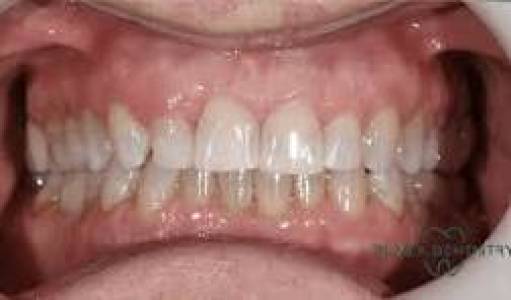
- Red, Swollen, or Tender Gums: Gums appear puffy and may be darker red than healthy pink.
- Bleeding Gums: Gums bleed easily during brushing, flossing, or even spontaneous chewing.
- Bad Breath (Halitosis): Caused by bacteria accumulating in the mouth.
- Reversible: At this stage, gingivitis can typically be resolved with improved oral hygiene and professional cleaning.
2. Periodontitis (Advanced Stage)
- Definition: If gingivitis is left untreated, it progresses to periodontitis, where the inflammation spreads below the gum line, affecting the bone and ligaments that support the teeth.
- Features:
- Persistent Bad Breath: A more pronounced and chronic issue.
- Receding Gums: Gums pull away from the teeth, making teeth appear longer and exposing sensitive roots.
- Formation of Periodontal Pockets: Gaps form between the teeth and gums, creating breeding grounds for bacteria.
- Pus Between Teeth and Gums: A sign of active infection.
- Loose or Shifting Teeth: As bone support diminishes, teeth may become mobile.
- Changes in Bite: Your teeth may no longer fit together comfortably.
- Tooth Loss: In severe cases, teeth may need to be extracted or fall out spontaneously due to lack of support.
- Irreversible Damage: While treatable, the bone and tissue loss from periodontitis cannot fully regenerate naturally.
The "Mechanism" Behind the Disease
Gum disease begins with plaque—a sticky film of bacteria that constantly forms on your teeth. If plaque isn't removed daily through brushing and flossing, it hardens into tartar (calculus). Tartar cannot be removed by brushing alone and irritates the gums, leading to inflammation. The bacteria in plaque and tartar produce toxins that trigger a chronic inflammatory response, destroying the soft tissue and bone that anchor your teeth. This leads to the formation of "pockets" where more bacteria can accumulate, creating a vicious cycle of destruction.
Key "Benefits" of Addressing Gum Disease
By understanding and actively managing gum disease, you unlock crucial benefits for your health:
- Preserve Your Natural Teeth: Prevent tooth loss and maintain your ability to chew and speak comfortably.
- Fresher Breath: Eliminate the bacterial causes of persistent bad breath.
- Enhanced Oral Comfort: Reduce gum tenderness, bleeding, and sensitivity.
- Improved Aesthetics: Prevent gum recession and maintain a healthy, confident smile.
- Better Overall Health: Reduce your risk of systemic diseases linked to gum disease, including:
- Heart Disease & Stroke: Oral bacteria can enter the bloodstream.
- Diabetes: Gum disease can worsen blood sugar control, and diabetes can worsen gum disease.
- Respiratory Diseases: Inhaling bacteria from the mouth can lead to lung infections.
- Preterm Birth/Low Birth Weight: For pregnant individuals, gum disease is a risk factor.
- Cost Savings: Proactive prevention and early treatment are far less expensive than extensive restorations or tooth replacements.
Who is at Risk? (Target Audience)
While anyone can develop gum disease, certain factors increase your susceptibility:
- Poor Oral Hygiene: Inconsistent or ineffective brushing and flossing.
- Smoking/Tobacco Use: Significantly increases risk and hinders healing.
- Genetic Predisposition: Family history can play a role.
- Systemic Diseases: Diabetes, heart disease, autoimmune disorders.
- Medications: Certain drugs can cause dry mouth or gum overgrowth.
- Hormonal Changes: Pregnancy, puberty, menopause.
- Stress: Weakens the immune system.
- Poor Nutrition: Lacking essential vitamins and minerals.
- Crowded or Misaligned Teeth: Difficult to clean effectively.
Prevention & Treatment "Protocols"
Prevention (Your Daily Regimen):
- Brush Twice Daily: Use a soft-bristled brush and fluoride toothpaste.
- Floss Daily: Essential for removing plaque between teeth and below the gum line.
- Use Antimicrobial Mouthwash: Can help reduce bacteria and freshen breath.
- Regular Dental Check-ups & Cleanings: At least twice a year, or as recommended by your dentist.
- Maintain a Balanced Diet: Limit sugary snacks and drinks.
- Avoid Tobacco Products: Quit smoking and avoid all forms of tobacco.
Treatment (Professional Interventions):
- Professional Dental Cleaning (Prophylaxis): Removes plaque and tartar above and below the gum line for gingivitis.
- Scaling and Root Planing (Deep Cleaning): A non-surgical procedure to thoroughly clean the root surfaces, remove tartar, and smooth the roots to prevent bacterial reattachment.
- Antibiotics: Oral or topical antibiotics may be prescribed to control bacterial infection.
- Gum Surgery: For advanced periodontitis, procedures may include:
- Flap Surgery: To lift back gums for better access to clean roots and repair bone.
- Bone Grafts: To regenerate bone destroyed by periodontitis.
- Soft Tissue Grafts: To cover exposed roots and reduce gum recession.
- Guided Tissue Regeneration: To stimulate the growth of new bone and gum tissue.
- Laser Therapy: A less invasive option for some cases.
The "Investment" (Time & Commitment)
Addressing gum disease requires a consistent investment of time and commitment to your oral health. This "investment" pays dividends in a healthy, lasting smile and contributes significantly to your overall well-being.
Call to Action
Don't wait for symptoms to worsen! If you notice any signs of gum disease, or if you simply haven't had a dental check-up recently, schedule an appointment with your dentist or periodontist today. Take control of your oral health and protect your smile for a lifetime.