Description
Here's a detailed product description for "Restoration of Carious Teeth" in Markdown format, suitable for a dental practice's website or patient information leaflet.
Dental Restoration: Restoring Health & Beauty to Carious Teeth
Tooth decay, or dental caries, is a common condition that can compromise the health, function, and aesthetics of your teeth. If left untreated, it can lead to pain, infection, and eventually tooth loss. At [Your Clinic Name], our advanced dental restoration services are designed to effectively treat carious teeth, bringing them back to optimal health, preventing further complications, and preserving your natural smile.
Understanding Dental Caries
Dental caries refers to the destruction of tooth structure (enamel, dentin, and cementum) caused by acids produced when bacteria in the mouth metabolize sugars from your diet. This process creates cavities, which are holes or structural damage in the tooth. Early detection and intervention are crucial to prevent the decay from spreading and causing more severe issues.
The Comprehensive Restoration Process: What to Expect
Our approach to restoring carious teeth is meticulous, patient-focused, and utilizes the latest techniques and materials to ensure long-lasting results and your utmost comfort.
- Thorough Diagnosis:
- We begin with a comprehensive oral examination, including visual inspection and often digital X-rays, to accurately assess the extent of the decay, its location, and whether it has affected the underlying structures or nerve.
- Early detection allows for less invasive treatment.
- Local Anesthesia:
- To ensure a pain-free experience, a local anesthetic will be administered to numb the affected tooth and surrounding area. We prioritize your comfort throughout the procedure.
- Decay Removal:
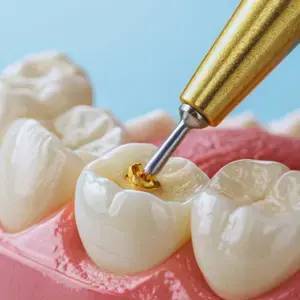
- Using specialized dental instruments (e.g., high-speed handpieces, lasers in some cases), the decayed and damaged tooth structure is carefully and precisely removed. Our goal is to eliminate all infected tissue while preserving as much healthy tooth structure as possible.
- Tooth Preparation:
- Once the decay is removed, the remaining tooth structure is prepared to create a clean, stable surface for the restorative material. This may involve shaping the cavity to ensure the filling or restoration can securely bond or fit into place.
- Application of Restorative Material:
- The chosen restorative material (see "Advanced Restorative Materials & Options" below) is then carefully applied, sculpted, and bonded to the tooth.
- For composite (tooth-colored) fillings, a special light is used to harden the material in layers.
- Shaping & Polishing:
- The restoration is meticulously shaped and contoured to match the natural anatomy of your tooth and ensure proper bite alignment (occlusion).
- Finally, the restoration is polished to a smooth finish, preventing food accumulation and ensuring a comfortable feel.
Key Benefits of Dental Restoration
Investing in the restoration of carious teeth offers a multitude of benefits for your oral and overall health:
- Pain Relief: Eliminates discomfort and sensitivity caused by exposed nerves or infection.
- Prevent Further Decay: Stops the progression of caries, protecting the tooth from more extensive damage.
- Restore Functionality: Allows you to chew and speak comfortably and effectively again.
- Enhance Aesthetics: Tooth-colored options seamlessly blend with your natural teeth, restoring the beauty of your smile.
- Preserve Natural Teeth: Avoids the need for more complex and costly procedures like root canals or extractions.
- Improve Oral Health: Contributes to a healthier oral environment, reducing the risk of gum disease and other complications.
Advanced Restorative Materials & Options
We offer a range of high-quality restorative materials, each with unique properties, to best suit your individual needs, aesthetic preferences, and the specific demands of the restoration:
- Composite Resins (Tooth-Colored Fillings):
- Description: Made from a mixture of plastic and fine glass particles.
- Benefits: Highly aesthetic, customizable to match your natural tooth shade, mercury-free, bonds directly to the tooth, often requiring less removal of healthy tooth structure.
- Ideal For: Small to moderate cavities, visible areas, patients seeking a natural appearance.
- Porcelain/Ceramic Restorations (Inlays, Onlays, Crowns):
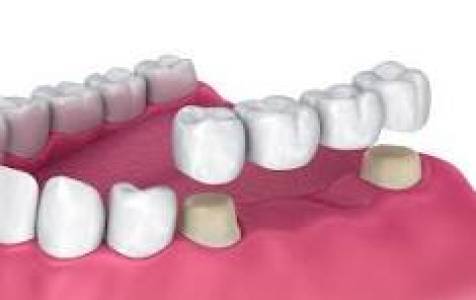
- Description: Custom-made, highly durable, and aesthetic restorations fabricated in a dental lab or in-office with CAD/CAM technology.
- Benefits: Exceptional aesthetics, strength comparable to natural tooth enamel, biocompatible, stain-resistant, very long-lasting.
- Ideal For: Larger cavities, fractured teeth, replacing old failing fillings, when a significant portion of the tooth needs protection (crowns).
- Amalgam Fillings (Silver Fillings):
- Description: A mixture of metals, including silver, tin, copper, and mercury.
- Benefits: Very durable, cost-effective, time-tested.
- Ideal For: Posterior teeth (molars) where chewing forces are high and aesthetics are less of a concern. While still an option, many patients now prefer tooth-colored alternatives.
- Gold Restorations (Inlays, Onlays, Crowns):
- Description: Custom-fabricated from gold alloy.
- Benefits: Extremely durable, biocompatible, excellent fit, gentle on opposing teeth, very long lifespan.
- Ideal For: Patients prioritizing longevity and specific cases where strength is paramount, typically in less visible areas.
Who Can Benefit from Dental Restoration?
You may be a candidate for dental restoration if you experience any of the following:
- Tooth sensitivity to hot, cold, or sweet foods/drinks.
- Visible holes, pits, or dark spots on your tooth surface.
- Pain or discomfort when chewing or biting.
- Chipped, fractured, or broken teeth (often due to underlying decay weakening the structure).
- Loss of an existing filling or a deteriorating old filling.
- Food getting consistently trapped in a specific area between teeth.
Why Choose [Your Clinic Name] for Your Restoration?
At [Your Clinic Name], we are dedicated to providing the highest standard of dental care:
- Experienced Dentists: Our team possesses extensive experience in advanced restorative dentistry, ensuring precise and effective treatment.
- State-of-the-Art Technology: We utilize modern diagnostic tools and restorative techniques for accurate diagnosis and superior outcomes.
- Patient-Centered Care: We prioritize your comfort and understanding, offering clear explanations and a gentle approach.
- Quality Materials: We select only the finest, clinically proven restorative materials for durability, aesthetics, and biocompatibility.
- Personalized Treatment Plans: Every restoration plan is tailored to your unique oral health needs, aesthetic goals, and budget.
Take the First Step Towards a Healthier Smile!
Don't let tooth decay compromise your oral health or diminish the beauty of your smile. Early intervention can save your teeth and prevent more extensive dental problems.
Schedule a comprehensive consultation with our compassionate team at [Your Clinic Name] today to discuss your dental restoration options.
Call us at [Phone Number] or visit our website to book your appointment!
Please note: The information provided is for general guidance. A personalized examination and consultation with a qualified dental professional are essential to determine the most suitable restorative treatment for your specific needs and oral health condition.