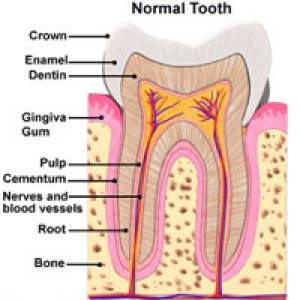
Description
Here's a detailed product description for Root Canal Treatment (RCT) in Markdown format, suitable for a dental practice's website or patient information brochure.
Root Canal Treatment (RCT)
Save Your Smile, Eliminate Pain: Comprehensive Root Canal Treatment
When the soft tissue inside your tooth (the pulp) becomes infected or inflamed due to deep decay, repeated dental procedures, cracks, or trauma, Root Canal Treatment (RCT) is a highly effective dental procedure designed to save your natural tooth. Rather than extracting the tooth, RCT aims to eliminate pain, remove the infection, and restore the tooth's health and function.
What is Root Canal Treatment?
Root Canal Treatment is an endodontic procedure that involves removing the infected or inflamed pulp from the inside of your tooth, disinfecting the area, and then filling and sealing the root canals to prevent further infection. This treatment allows you to keep your natural tooth, maintaining your bite and smile.
Who Needs Root Canal Treatment? (Indications)
You might need a root canal if you experience any of the following symptoms:
- Persistent Tooth Pain: Moderate to severe pain, especially when chewing or applying pressure.
- Sensitivity to Hot and Cold: Lingering sensitivity to temperature changes, even after the source is removed.
- Swelling or Tenderness: Swelling in the gums around the affected tooth, or tenderness when touching the area.
- Pimple-like Bump on the Gums (Fistula): A recurring or persistent "pimple" on the gums, which may indicate pus draining from an infected tooth.
- Tooth Discoloration: Darkening of the tooth, which can be a sign of a dying or infected pulp.
- Deep Decay or Trauma: A large cavity that has reached the pulp, or a tooth injury that has damaged the pulp.
Benefits of Root Canal Treatment
Choosing root canal treatment offers several significant advantages:
- Pain Relief: Effectively eliminates the severe pain caused by infected or inflamed pulp.
- Preserves Natural Tooth: Allows you to keep your original tooth, preventing the need for extraction.
- Restores Function: Restores the tooth's ability to chew and bite normally.
- Maintains Natural Appearance: Keeps your natural smile intact.
- Prevents Spread of Infection: Stops the infection from spreading to other teeth or surrounding bone.
- Cost-Effective Long-Term: Often more economical in the long run than tooth extraction followed by a bridge or dental implant.
The Root Canal Procedure: What to Expect
Root canal treatment is typically completed in one or two appointments, depending on the severity of the infection and the complexity of the case.
- Diagnosis and Anesthesia: We begin with a thorough examination, including X-rays, to accurately diagnose the problem. Local anesthesia is then administered to numb the affected tooth and surrounding area, ensuring a comfortable, pain-free procedure.
- Isolation: A small protective sheet called a rubber dam is placed around the tooth. This isolates the tooth, keeping it clean, dry, and free from saliva during the procedure.
- Access Opening: A small opening is made on the top of the tooth (for back teeth) or the back (for front teeth) to access the pulp chamber and root canals.
- Cleaning and Shaping: Tiny specialized instruments (files) are used to carefully remove the infected or inflamed pulp, bacteria, and debris from the pulp chamber and root canals. The canals are then thoroughly cleaned, disinfected, and shaped to prepare them for filling.
- Filling (Obturation): Once the canals are clean and dry, they are filled with a biocompatible, rubber-like material called gutta-percha, often combined with a sealer. This material is compacted into the canals to completely seal them and prevent future infection.
- Temporary Filling/Restoration: A temporary filling is placed over the access opening to protect the tooth until the permanent restoration can be placed.
- Permanent Restoration: In most cases, a dental crown or a permanent filling is necessary to protect the treated tooth from future fracture and restore its full strength and function. This step is crucial for the long-term success of the root canal treatment.
Aftercare & Recovery
After your root canal treatment, it's normal to experience some mild discomfort or sensitivity for a few days, especially if there was pre-existing pain or infection.
- Pain Management: Over-the-counter pain relievers are usually sufficient to manage any discomfort.
- Avoid Chewing: Avoid chewing on the treated tooth until the permanent crown or restoration is placed.
- Oral Hygiene: Continue your regular oral hygiene routine, brushing and flossing daily.
- Follow-Up: Attend all scheduled follow-up appointments, especially for the placement of your permanent restoration.
Long-Term Outlook
With proper care and a permanent restoration, a root canal treated tooth can last a lifetime. Root canal treatment has a very high success rate, often exceeding 95%. Maintaining good oral hygiene and regular dental check-ups are essential for the longevity of your treated tooth.
Why Choose Our Clinic for Your Root Canal Treatment?
- Experienced Professionals: Our highly skilled dentists and endodontists are experts in root canal procedures, committed to providing the highest standard of care.
- Advanced Technology: We utilize state-of-the-art equipment, including digital X-rays and specialized instruments, for precise diagnosis and efficient treatment.
- Patient Comfort: Your comfort is our priority. We offer a calm and supportive environment, ensuring a stress-free experience from start to finish.
- Comprehensive Care: From initial diagnosis to the final restoration, we guide you through every step, ensuring optimal results and lasting oral health.
Don't let dental pain dictate your life. If you're experiencing symptoms of an infected tooth, contact us today for a consultation. Let us help you eliminate pain, save your natural tooth, and restore your healthy, confident smile with expert Root Canal Treatment.