Description
Root Canal Treatment: End the Pain, Preserve Your Natural Smile
Experiencing persistent tooth pain, sensitivity, or swelling? Don't let dental discomfort dictate your life. Root Canal Treatment (RCT) is a highly effective, modern dental procedure designed to save a severely infected or damaged tooth, alleviate pain, and restore your oral health. Often misunderstood, today's RCT is comfortable, efficient, and a superior alternative to tooth extraction.
What is Root Canal Treatment?
At the core of your tooth lies a soft tissue called the dental pulp, containing nerves, blood vessels, and connective tissue. When this pulp becomes infected or inflamed due to deep decay, repeated dental procedures, cracks, or trauma, it can cause excruciating pain and lead to serious complications.
Root Canal Treatment is an endodontic procedure that involves removing the infected or inflamed pulp, carefully cleaning and shaping the inside of the root canal, and then filling and sealing the space. This process eliminates the infection, relieves pain, and protects the tooth from future microbial invasion, allowing it to function normally for years to come.
Key Features & Benefits
- Pain Relief: Immediately eliminates the source of severe toothache and sensitivity caused by infected pulp.
- Tooth Preservation: Saves your natural tooth from extraction, maintaining your natural bite, chewing ability, and facial aesthetics.
- Prevents Infection Spread: Stops the spread of infection to adjacent teeth, gums, and bone, preventing more serious health issues.
- High Success Rate: Modern techniques and materials boast a high success rate, offering a long-term solution for dental health.
- Comfortable Procedure: Performed under local anesthesia, ensuring a comfortable and pain-free experience during treatment.
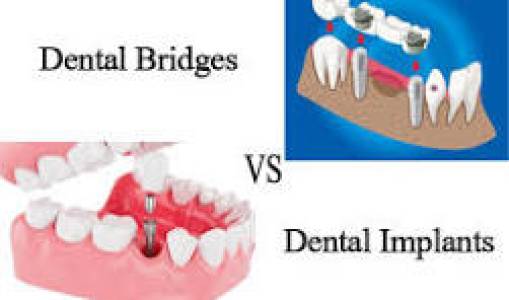
- Cost-Effective Long-Term: While initially an investment, saving a natural tooth often proves more cost-effective than replacing an extracted tooth with a bridge or implant over time.
- Maintains Oral Function: Allows you to continue eating, speaking, and smiling naturally without discomfort or the gaps left by missing teeth.
Who Needs Root Canal Treatment?
You might need a root canal if you experience:
- Severe Toothache: Persistent pain that radiates to your jaw, ear, or head.
- Prolonged Sensitivity: Extreme sensitivity to hot or cold temperatures, even after the source is removed.
- Tenderness to Touch and Chewing: Pain when biting down or touching the affected tooth.
- Swelling: Swelling of the gums around the affected tooth, or even facial swelling.
- Pimples on the Gums: A recurring "pimple" or lesion on the gum line, indicating a draining infection (abscess).
- Tooth Discoloration: Darkening of the tooth, which can signify nerve damage.
- Deep Decay or Injury: X-rays often reveal deep decay reaching the pulp or an infection at the bone surrounding the tooth's root.
The Root Canal Process: What to Expect
Root canal treatment is typically completed in one or two appointments, depending on the severity of the infection and complexity of the tooth.
- Diagnosis & Anesthesia:
- Your dentist will examine the tooth and take X-rays to confirm the diagnosis.
- Local anesthesia is administered to numb the tooth and surrounding area, ensuring a pain-free procedure.
- Access Opening:
- A small opening is created in the crown of the tooth to access the pulp chamber and root canals.
- Cleaning & Shaping:
- The infected or inflamed pulp is carefully removed using specialized instruments.
- The root canals are thoroughly cleaned, disinfected, and shaped to prepare them for filling.
- Filling & Sealing:
- The cleaned and shaped canals are filled with a biocompatible, rubber-like material called gutta-percha, often combined with a dental sealer.
- A temporary filling is placed in the access opening to protect the tooth.
- Final Restoration:
- After the root canal is completed, a permanent restoration (such as a dental crown or a permanent filling) is crucial. This step strengthens the treated tooth, protects it from fracture, and restores its full function and appearance.
Post-Treatment Care & Expectations
- Mild Discomfort: It's normal to experience some sensitivity or mild discomfort for a few days following the procedure, especially while chewing. Over-the-counter pain relievers can help manage this.
- Avoid Chewing: Until your permanent restoration is placed, avoid chewing on the treated tooth to prevent damage.
- Oral Hygiene: Continue your regular brushing and flossing routine.
- Follow-Up: Attend all scheduled follow-up appointments, particularly for the placement of your permanent crown or filling.
Don't Let Pain Linger – Restore Your Comfort and Health!
Root Canal Treatment is a testament to modern dentistry's ability to save natural teeth and provide lasting relief. If you're suffering from tooth pain or have been told you need a root canal, don't delay. Early treatment can prevent further complications and ensure the best possible outcome.
Contact us today to schedule a consultation and discuss if Root Canal Treatment is the right solution for your oral health needs. Let us help you eliminate pain and preserve your beautiful, natural smile for years to come!