Description
Ridge Augmentation: Rebuilding Your Foundation for Optimal Oral Health
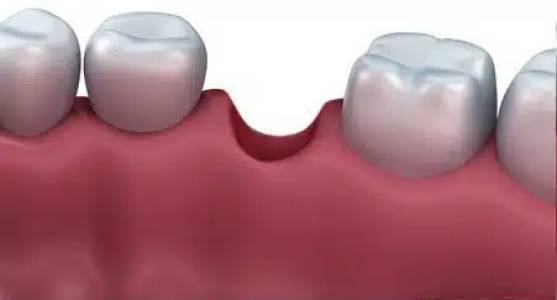
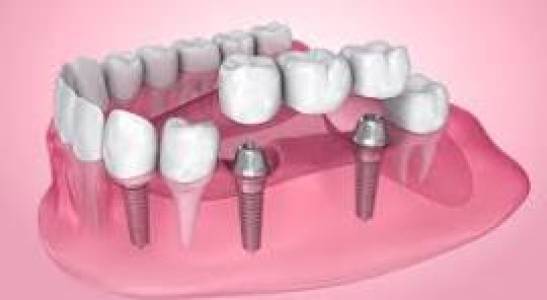
Ridge augmentation is a sophisticated and essential surgical procedure designed to restore lost bone volume in the jaw where teeth have been lost or removed. This procedure rebuilds the alveolar ridge – the part of the jawbone that holds the teeth – making it crucial for patients requiring dental implants, improving denture stability, or correcting aesthetic deformities caused by bone resorption. By regenerating and reshaping the jawbone, ridge augmentation ensures a strong, healthy foundation for future prosthetic solutions and overall oral well-being.
What is Ridge Augmentation?
When a tooth is extracted, or due to trauma, periodontal disease, or prolonged edentulism (missing teeth), the underlying jawbone can resorb or shrink. This loss of bone can lead to:
- Insufficient bone height or width to support dental implants.
- Poor stability and fit of dentures, leading to discomfort and chewing difficulties.
- A "collapsed" appearance of the gumline and facial contours.
Ridge augmentation involves the careful placement of bone graft material (either from the patient's own body, a human donor, an animal source, or synthetic materials) into the deficient area. This graft material acts as a scaffold, stimulating the body's natural regenerative processes to grow new, healthy bone.
Key Benefits & Advantages
Ridge augmentation offers a multitude of benefits, critical for both functional and aesthetic oral health:
- Enables Dental Implant Placement: The primary benefit, providing sufficient bone volume and density for successful, long-term implant integration.
- Improves Denture Stability: Enhances the fit and retention of full or partial dentures, significantly improving comfort and chewing efficiency.
- Restores Facial Aesthetics: Rebuilds natural jaw contours, preventing the "sunken-in" appearance often associated with bone loss, thereby supporting facial tissues and improving appearance.
- Prevents Further Bone Loss: Stabilizes the jawbone and can help prevent continued resorption after tooth extraction.
- Enhances Prosthetic Longevity: Creates a robust foundation that contributes to the long-term success and stability of all dental restorations.
- Reduces Discomfort: Eliminates pain and irritation caused by ill-fitting dentures rubbing against an uneven or thin ridge.
Indications: Who Benefits from Ridge Augmentation?
Ridge augmentation is recommended for individuals with insufficient jawbone volume or density, including:
- Pre-Dental Implant Patients: Those who lack the necessary bone to securely anchor dental implants.
- Post-Extraction Patients: To preserve the alveolar ridge immediately after tooth extraction (often called socket preservation or ridge preservation).
- Denture Wearers: Individuals experiencing discomfort, instability, or poor retention with their removable dentures due to a resorbed ridge.
- Trauma Patients: To reconstruct jawbone defects resulting from injury.
- Periodontal Disease Sufferers: To repair bone loss caused by advanced gum disease.
- Congenital Defects: Patients born with insufficient jawbone development.
- Aesthetic Concerns: To improve the appearance of a collapsed gumline or facial contours.
The Procedure: A Simplified Overview
The ridge augmentation procedure is typically performed under local anesthesia, sometimes with conscious sedation for patient comfort.
- Preparation: The surgical site is thoroughly numbed and sterilized.
- Incision: A small incision is made in the gum tissue to expose the underlying jawbone.
- Graft Placement: The chosen bone graft material is carefully placed into the deficient area to reshape and augment the ridge.
- Membrane Application (Optional but Common): A protective barrier membrane (resorbable or non-resorbable) is often placed over the graft. This membrane helps to contain the graft material and prevents soft tissue from growing into the augmented site, allowing bone cells to populate the area undisturbed.
- Suturing: The gum tissue is gently repositioned and sutured closed.
- Healing Period: A crucial healing period of several months (typically 4-9 months, depending on the extent of augmentation and individual healing) follows, during which the graft integrates with the existing bone and new bone regenerates.
Common Ridge Augmentation Techniques
Various techniques may be employed based on the specific needs of the patient and the extent of bone loss:
- Guided Bone Regeneration (GBR): Utilizes bone graft material and a barrier membrane to direct the growth of new bone.
- Onlay Bone Grafting: Involves placing a block of bone (often from the patient's own body) onto the existing ridge to increase its width or height.
- Socket Preservation (Ridge Preservation): A minor augmentation performed immediately after tooth extraction to prevent the collapse of the socket and preserve bone volume for future implant placement.
- Ridge Splitting/Expansion: A technique where a narrow ridge is carefully split and expanded, with bone graft material packed into the widened space.
- Distraction Osteogenesis: A more complex technique for significant bone deficiencies, involving controlled, gradual separation of bone segments to stimulate new bone formation.
Expected Outcomes & Recovery
Following ridge augmentation, patients can expect a period of recovery, typically involving some swelling, bruising, and discomfort manageble with prescribed medication. Adherence to post-operative instructions is vital for successful healing.
The ultimate outcome is a strong, healthy, and adequately sized alveolar ridge capable of supporting dental implants, improving denture stability, or restoring natural facial aesthetics. This procedure significantly contributes to the long-term success and comfort of your oral health solutions.
Why Choose Our Practice for Ridge Augmentation?
- Experienced Specialists: Our board-certified oral surgeons and periodontists possess extensive experience and advanced training in complex bone grafting procedures.
- State-of-the-Art Technology: We utilize the latest diagnostic tools (e.g., 3D CBCT imaging) and surgical techniques to ensure precision and optimal outcomes.
- Personalized Treatment Plans: Every patient receives a customized treatment plan tailored to their specific needs and anatomical considerations.
- Patient-Centered Care: We prioritize your comfort, safety, and understanding throughout every step of the process, offering comprehensive pre- and post-operative support.
- High-Quality Materials: We use only premium, biocompatible bone graft materials and membranes to promote predictable and successful bone regeneration.
Schedule Your Consultation
If you're considering dental implants, struggling with ill-fitting dentures, or have concerns about bone loss in your jaw, ridge augmentation may be the solution you need to restore your oral health and confidence.
Contact us today to schedule a comprehensive consultation with one of our specialists. We will thoroughly assess your condition, discuss your options, and develop a personalized treatment plan designed to achieve your desired results.
Important Disclaimer: Individual results may vary. All surgical procedures carry inherent risks. It is essential to consult with a qualified dental professional to discuss your specific condition, potential benefits, risks, and alternatives before making any treatment decisions.