Description
Given the unusual request to write a "product description" for a disease, I will frame this as a comprehensive informational guide about Dental Caries, structured like a product description to highlight its characteristics, impact, and how to "manage" or "prevent" it.
Dental Caries: The Silent Threat to Your Oral Health
Unmasking the Most Prevalent Chronic Disease
Dental caries, commonly known as tooth decay or cavities, is a progressive infectious disease that damages the hard tissues of the teeth. Caused by acid-producing bacteria in plaque, it's one of the most prevalent chronic diseases worldwide, affecting individuals of all ages. Untreated, caries can lead to pain, infection, tooth loss, and significant systemic health issues. Understanding this "product" is the first step in combating its pervasive impact.
Key Features & Understanding the Process
Dental Caries isn't a single event; it's a dynamic process with distinct characteristics:
- Bacterial Origin: Primarily initiated by specific bacteria (e.g., Streptococcus mutans and Lactobacillus species) that reside in dental plaque. These bacteria metabolize dietary sugars (fermentable carbohydrates) into acids.
- Acid Demineralization: These acids dissolve the mineral content (calcium and phosphate) of tooth enamel and dentin. This process weakens the tooth structure over time.
- Progressive Damage:
- Initial Lesion (White Spot): Appears as a dull, opaque area on the enamel surface. This stage is often reversible with proper oral hygiene and fluoride.
- Enamel Cavity: The demineralization breaches the enamel surface, forming a visible hole or defect.
- Dentin Involvement: Decay progresses into the softer dentin, accelerating its spread due to the tubule structure of dentin.
- Pulp Involvement: If untreated, decay reaches the pulp (the innermost part of the tooth containing nerves and blood vessels), leading to inflammation (pulpitis), severe pain, and potential infection/abscess formation.
- Location Variability: Can occur on any tooth surface:
- Pit and Fissure Caries: In the grooves on the chewing surfaces of molars and premolars.
- Smooth Surface Caries: On the flat surfaces of teeth.
- Root Caries: Occurs on the root surface when gums recede, exposing the softer cementum.
- Asymptomatic in Early Stages: Often goes unnoticed until significant damage or pain occurs, making regular dental check-ups crucial.
The Impact of Untreated Caries (Problems it "Solves" by Existing)
Ignoring dental caries comes with a significant cost to your health and well-being. Its "benefits" (from the disease's destructive perspective) include:
- Chronic Pain & Discomfort: Ranging from sensitivity to hot/cold/sweet, to sharp, throbbing pain, significantly impacting quality of life, sleep, and concentration.
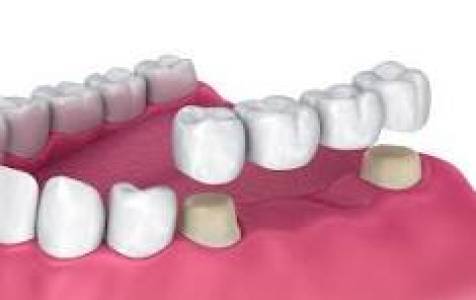
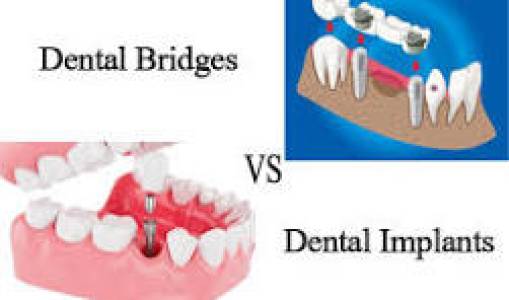
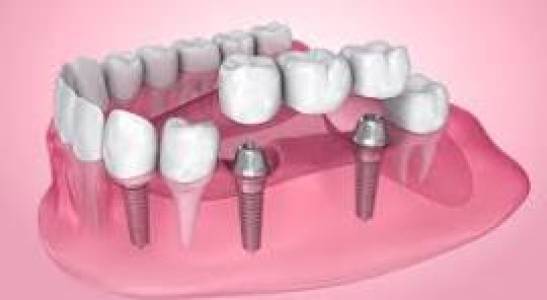
- Tooth Loss: The ultimate consequence, often requiring extraction and subsequent prosthetic solutions (implants, bridges, dentures), which are often more costly and invasive.
- Infections & Abscesses: Untreated decay can lead to painful bacterial infections that spread to surrounding tissues, potentially forming life-threatening facial or neck abscesses.
- Compromised Chewing & Digestion: Pain and missing teeth make proper chewing difficult, impacting nutrient absorption and overall digestion.
- Speech Impairment: Missing teeth can affect articulation and confidence in speaking.
- Aesthetic Concerns: Visible cavities, discolored teeth, and missing teeth can impact self-esteem, social interactions, and professional opportunities.
- Systemic Health Risks: Oral infections, including those from caries, have been linked to systemic conditions such as cardiovascular disease, diabetes complications, respiratory infections, and adverse pregnancy outcomes.
- Increased Treatment Costs: Early detection and treatment (e.g., simple fillings) are significantly less invasive and costly than addressing advanced decay, which may require root canals, crowns, extractions, and tooth replacement.
Who Is Susceptible? (Risk Factors)
While everyone is at risk, certain factors increase susceptibility to dental caries:
- Poor Oral Hygiene: Inadequate or infrequent brushing and flossing allows plaque to accumulate and acids to attack teeth.
- Frequent Sugar Consumption: Diets high in fermentable carbohydrates (sugars, refined starches) provide constant fuel for acid-producing bacteria.
- Dry Mouth (Xerostomia): Reduced saliva flow (due to medications, medical conditions, or radiation therapy) diminishes saliva's natural protective, buffering, and remineralizing effects.
- Lack of Fluoride Exposure: Fluoride strengthens enamel, makes it more resistant to acid attacks, and aids in the remineralization of early lesions.
- Deep Pits & Fissures: Anatomical features on molar chewing surfaces that can trap food and bacteria, making them difficult to clean.
- Poor Tooth Alignment: Overlapping or crowded teeth are harder to clean effectively.
- Existing Restorations: Old, worn, or faulty fillings can create new areas for plaque accumulation and recurrent decay.
- Certain Medical Conditions & Medications: Can affect saliva flow or compromise immune response, increasing risk.
- Age: Both young children (baby bottle tooth decay) and older adults (root caries, especially with gum recession) are particularly vulnerable.
Prevention & Treatment: Your Defense Strategy
Effectively managing dental caries involves both vigilant prevention and timely professional intervention.
Prevention is Paramount:
- Effective Oral Hygiene:
- Brush twice daily for two minutes with a fluoride toothpaste, using a soft-bristled brush.
- Floss daily to remove plaque and food particles from between teeth and under the gumline.
- Dietary Modifications:
- Limit frequency and quantity of sugary snacks, drinks, and highly processed carbohydrates.
- Choose water as your primary beverage.
- Snack on healthy options like fruits, vegetables, nuts, and cheese.
- Fluoride Exposure:
- Use fluoridated toothpaste.
- Drink fluoridated water (if available and safe in your community).
- Discuss professional fluoride applications or prescribed high-concentration fluoride rinses/gels with your dentist, especially if at high risk.
- Regular Dental Check-ups:
- Visit your dentist at least twice a year for professional cleanings and comprehensive examinations.
- Early detection is key to less invasive and more successful treatment.
- Consider dental sealants for children and adolescents to protect vulnerable molars from pit and fissure decay.
Treatment Options (Once Caries Has Developed):
- Remineralization: For very early "white spot" lesions (before cavitation), high-concentration fluoride treatments and improved oral hygiene can sometimes reverse the process.
- Fillings (Restorations): For established cavities, the decayed portion of the tooth is removed, and the tooth is restored with materials such as composite resin (tooth-colored), amalgam (silver), or glass ionomer.
- Crowns: If decay is extensive but the tooth structure is still salvageable, a custom-made crown (cap) may be placed to cover and protect the entire tooth.
- Root Canal Therapy: When decay reaches the pulp, causing infection or irreversible inflammation, the infected pulp is removed, and the root canals are cleaned, disinfected, and sealed.
- Extraction: In cases of severe, irreversible damage, extensive infection, or when a tooth cannot be saved, extraction may be the only option. This often necessitates subsequent tooth replacement solutions.
Take Control of Your Oral Health!
Don't wait for pain to dictate your dental health. Schedule your regular dental check-up today to detect and address dental caries early. With consistent preventative measures and timely professional care, you can safeguard your smile and overall well-being from the pervasive "product" that is dental caries. Your smile and overall health depend on it!
Disclaimer: This information is for educational purposes only and does not constitute medical advice. Always consult with a qualified dental professional for diagnosis and treatment of dental caries or any oral health concerns.