Description
Here are detailed product descriptions for Root Canal Treatment, Maxillofacial Surgery, and Jaw Joint Disorders, formatted in Markdown:
Root Canal Treatment: Saving Your Natural Smile
Don't let a damaged or infected tooth compromise your oral health. Root canal treatment, often misunderstood, is a highly effective and comfortable procedure designed to relieve pain, eliminate infection, and save your natural tooth from extraction. At [Your Clinic Name], we specialize in advanced endodontic care, ensuring a gentle and successful experience.
What is Root Canal Treatment (RCT)?
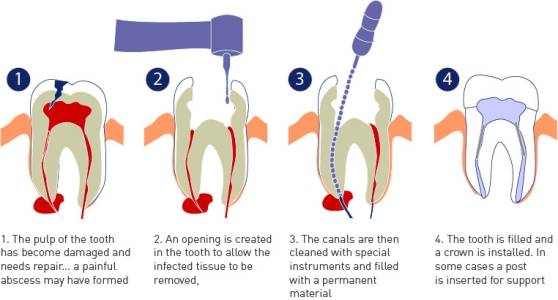
Root Canal Treatment is a dental procedure that removes infected or damaged pulp (the soft tissue inside your tooth containing nerves and blood vessels). Once the pulp is removed, the inside of the tooth is carefully cleaned, disinfected, shaped, and then filled and sealed. The tooth is then restored with a crown or filling to protect it and restore its full function.
When is RCT Needed? (Indications)
You might need a root canal if you experience any of the following:
- Severe Toothache: Persistent pain, especially when chewing or applying pressure.
- Lingering Sensitivity: Prolonged sensitivity to hot or cold temperatures.
- Swelling and Tenderness: Swollen, tender gums around the affected tooth.
- Pimples on the Gums: A recurring "pimple" or lesion on the gums, indicating an abscess.
- Tooth Discoloration: Darkening or discoloration of the tooth.
- Deep Decay or Trauma: A large cavity that has reached the pulp, or a tooth fracture that exposes the pulp.
Our Approach to Root Canal Treatment
- Thorough Diagnosis: We use digital X-rays and advanced diagnostic tools to accurately assess the extent of the infection and plan your treatment.
- Gentle Anesthesia: Local anesthesia ensures you are completely comfortable and pain-free throughout the procedure.
- Precise Treatment: Using state-of-the-art instruments, including dental operating microscopes, we meticulously clean and shape the root canals.
- Disinfection and Filling: The canals are thoroughly disinfected and then filled with a biocompatible material (gutta-percha) to prevent reinfection.
- Restoration: After the root canal, a custom-fitted dental crown is typically placed to protect the treated tooth from future fracture and restore its strength and appearance.
- Post-Treatment Care: We provide detailed aftercare instructions and are always available to answer any questions.
Benefits of Root Canal Treatment
- Pain Relief: Eliminates the source of your severe toothache and discomfort.
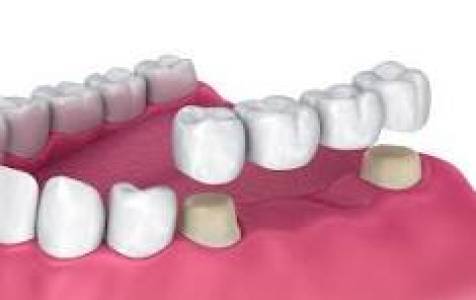
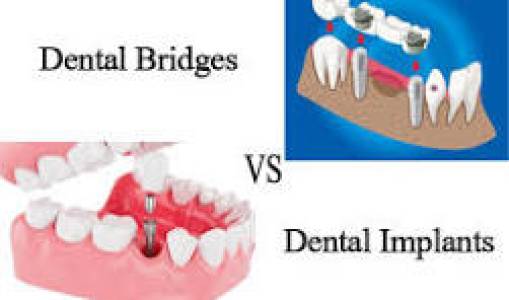
- Saves Your Natural Tooth: Preserves your natural tooth, avoiding the need for extraction and replacement options like implants or bridges.
- Prevents Spread of Infection: Stops the infection from spreading to other teeth or into the jawbone.
- Restores Function: Allows you to chew and speak normally without pain.
- Maintains Aesthetics: Keeps your natural smile intact.
Why Choose [Your Clinic Name] for Your Root Canal?
- Experienced Endodontists/Dentists: Our team has extensive training and expertise in complex root canal procedures.
- Advanced Technology: We utilize modern equipment like dental microscopes, digital radiography, and rotary instruments for precision and efficiency.
- Patient Comfort: We prioritize your comfort with a gentle touch, sedation options, and a calming environment.
- Personalized Care: Each treatment plan is tailored to your specific needs and concerns.
Don't let fear or misinformation keep you from saving your tooth. Contact [Your Clinic Name] today to schedule a consultation and discover how comfortable and effective modern root canal treatment can be!
Maxillofacial Surgery: Restoring Form, Function & Health
Maxillofacial surgery is a specialized field that addresses a wide range of conditions affecting the face, mouth, jaws, and neck. At [Your Clinic Name], our board-certified oral and maxillofacial surgeons possess the expertise and advanced technology to provide comprehensive surgical solutions, from correcting jaw alignment to intricate facial reconstruction.
What is Maxillofacial Surgery?
Oral and Maxillofacial Surgery (OMS) is a recognized international specialty of dentistry, which involves the diagnosis, surgical and adjunctive treatment of diseases, injuries and defects involving both the functional and aesthetic aspects of the hard and soft tissues of the oral and maxillofacial region.
When is Maxillofacial Surgery Needed? (Indications & Scope)
Our surgeons provide care for a broad spectrum of conditions, including:
- Jaw Correction (Orthognathic Surgery): Correcting misaligned jaws (underbite, overbite, open bite, crossbite) to improve chewing, speaking, breathing, and facial aesthetics.
- Facial Trauma: Treating fractures of the jaw, cheekbones, eye sockets, and nose, as well as soft tissue injuries, to restore facial structure and function after accidents or injuries.
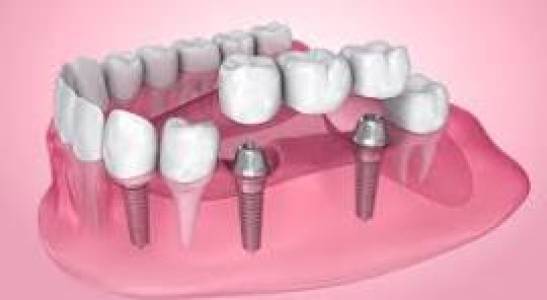
- Dental Implants & Bone Grafting: Placement of dental implants for tooth replacement, including advanced procedures like sinus lifts and bone grafting to create adequate bone for implant support.
- Oral Pathology: Diagnosis and surgical removal of cysts, tumors, and other lesions in the mouth and jaws, including biopsies.
- Impacted Teeth: Surgical extraction of complex wisdom teeth and other impacted teeth.
- Pre-Prosthetic Surgery: Preparing the mouth for dentures or other prosthetic devices by smoothing bone, removing excess tissue, or performing ridge augmentation.
- TMJ Disorders: Surgical intervention for severe temporomandibular joint (TMJ) disorders when conservative treatments are insufficient.
- Sleep Apnea Surgery: Surgical procedures to improve breathing and alleviate obstructive sleep apnea.
- Reconstructive Surgery: Repairing defects caused by trauma, disease, or birth defects, often involving tissue grafts.
Our Approach to Maxillofacial Surgery
- Comprehensive Consultation: A thorough evaluation, including detailed medical history, physical examination, and advanced imaging (CBCT, MRI), to establish an accurate diagnosis.
- Personalized Treatment Planning: We develop a customized surgical plan tailored to your specific condition, goals, and overall health, often utilizing 3D virtual surgical planning for precision.
- Skilled & Board-Certified Surgeons: Our surgeons are highly trained, experienced, and board-certified, adhering to the highest standards of surgical care.
- State-of-the-Art Facilities: Procedures are performed in accredited surgical suites equipped with advanced technology for safety and optimal outcomes.
- Anesthesia Options: We offer a range of anesthesia options, including local anesthesia, IV sedation, and general anesthesia, administered by experienced anesthesiologists, to ensure your comfort.
- Multidisciplinary Collaboration: We often work in conjunction with orthodontists, general dentists, ENTs, and other specialists to ensure holistic and integrated care.
- Dedicated Post-Operative Care: Comprehensive instructions and support are provided for a smooth recovery and optimal healing.
Benefits of Maxillofacial Surgery
- Improved Function: Enhanced ability to chew, speak, and breathe.
- Pain Relief: Alleviation of chronic pain associated with jaw and facial conditions.
- Enhanced Aesthetics: Correction of facial imbalances and restoration of natural facial contours.
- Resolution of Pathology: Removal of cysts, tumors, and resolution of infections.
- Restored Oral Health: Foundation for successful dental restorations and improved overall oral health.
- Increased Quality of Life: Significant improvement in self-confidence and daily living.
Why Choose [Your Clinic Name] for Maxillofacial Surgery?
- Specialized Expertise: Our surgeons focus exclusively on oral and maxillofacial surgery, bringing unparalleled skill and experience.
- Advanced Diagnostic & Surgical Tools: We leverage cutting-edge technology for precise diagnosis and predictable surgical outcomes.
- Patient-Centered Care: Your safety, comfort, and satisfaction are our top priorities at every stage of treatment.
- Commitment to Excellence: We are dedicated to delivering the highest standard of surgical care with compassionate support.
If you are experiencing a condition affecting your face, mouth, or jaws, we invite you to schedule a consultation with our expert maxillofacial surgeons. Contact [Your Clinic Name] today to explore your treatment options and embark on your journey to improved health and well-being.
Jaw Joint Disorders (TMJ/TMD): Finding Relief & Restoring Comfort
Are you experiencing persistent jaw pain, headaches, clicking, or difficulty opening your mouth? You might be suffering from a Temporomandibular Joint Disorder (TMJ/TMD). These conditions can significantly impact your quality of life, but relief is possible. At [Your Clinic Name], we offer comprehensive diagnosis and personalized treatment plans to help you find lasting comfort and restore normal jaw function.
What are Jaw Joint Disorders (TMJ/TMD)?
Temporomandibular Joint Disorders (TMD) refer to a group of conditions that affect the temporomandibular joints (TMJ) – the two joints that connect your lower jaw to your skull – as well as the surrounding muscles and ligaments. These disorders can cause pain and dysfunction in the jaw and surrounding areas.
Common Symptoms of TMJ/TMD
Symptoms of TMD can vary widely but often include:
- Jaw Pain: Pain or tenderness in your jaw, face, neck, and shoulders, or around your ear when you chew, speak, or open your mouth wide.
- Clicking or Popping Sounds: Audible sounds when you open or close your mouth, which may or may not be accompanied by pain.
- Limited Jaw Movement: Difficulty opening your mouth wide, or a "locked" jaw that gets stuck in an open or closed position.
- Headaches: Frequent headaches, often resembling tension headaches or migraines.
- Ear-Related Symptoms: Earaches, ringing in the ears (tinnitus), or a feeling of fullness in the ears.
- Facial Pain: General discomfort or pain in the facial area.
- Changes in Bite: A feeling that your upper and lower teeth don't fit together properly.
What Causes TMJ/TMD?
The exact cause of TMD is often complex and multifactorial, but contributing factors can include:
- Teeth Grinding/Clenching (Bruxism): Often stress-related, it puts excessive pressure on the TMJ.
- Trauma: Injury to the jaw, TMJ, or the muscles of the head and neck.
- Arthritis: Various forms of arthritis (osteoarthritis, rheumatoid arthritis) affecting the joint.
- Stress: Emotional stress can lead to jaw clenching and muscle tension.
- Malocclusion: A misaligned bite.
- Dislocation of the Disk: The soft disk or cushion between the ball and socket of the joint can erode or move out of alignment.
Our Comprehensive Approach to TMJ/TMD Treatment
At [Your Clinic Name], we believe in a holistic and individualized approach, starting with the least invasive treatments.
- Thorough Diagnosis:
- Detailed Examination: Physical examination of your jaw, assessing range of motion, listening for sounds, and identifying tender areas.
- Advanced Imaging: Digital X-rays, CBCT scans, or MRI scans may be used to visualize the joint structures, bones, and soft tissues.
- Personalized Treatment Plan (Often Multi-Modal):
- Conservative Therapies (First Line):
- Lifestyle Modifications: Stress management, soft diet, avoiding extreme jaw movements.
- Medications: Pain relievers, anti-inflammatories, muscle relaxants.
- Physical Therapy: Specific exercises to stretch, strengthen, and relax jaw muscles.
- Oral Appliances (Splints/Nightguards): Custom-made devices worn over teeth to reduce clenching/grinding and correctly position the jaw.
- Trigger Point Injections: Administering medication directly into painful muscle knots.
- Minimally Invasive Procedures (When Conservative Fails):
- Arthrocentesis: Flushing the joint with sterile fluid to remove inflammatory byproducts and improve mobility.
- Botox Injections: To relax overactive jaw muscles and reduce pain.
- Surgical Options (For Severe Cases, Last Resort):
- Arthroscopy: Minimally invasive surgery to visualize and treat joint issues.
- Open Joint Surgery: More extensive surgery to repair or replace joint components.
Benefits of TMJ/TMD Treatment
- Significant Pain Relief: Alleviation of jaw pain, headaches, and facial discomfort.
- Improved Jaw Function: Enhanced ability to chew, speak, and yawn without limitation.
- Reduced Clicking and Popping: Improvement or elimination of disruptive joint sounds.
- Better Quality of Life: Restored comfort allows for better sleep, reduced stress, and improved daily activities.
- Prevention of Further Damage: Protecting the joint from ongoing wear and tear.
Why Choose [Your Clinic Name] for TMJ/TMD Treatment?
- Specialized Expertise: Our team includes professionals with extensive knowledge in diagnosing and treating complex TMJ disorders.
- Advanced Diagnostics: We utilize cutting-edge imaging and diagnostic techniques for accurate assessment.
- Comprehensive Care: We offer a full spectrum of treatment options, from conservative management to advanced surgical interventions.
- Holistic & Patient-Centered: We consider all aspects of your health and lifestyle, developing a treatment plan that is right for you.
- Compassionate Support: We are dedicated to providing empathetic care and guiding you through every step of your recovery.
Don't live with the discomfort of a jaw joint disorder any longer. Contact [Your Clinic Name] today to schedule a consultation and take the first step towards finding relief and restoring your comfort.